
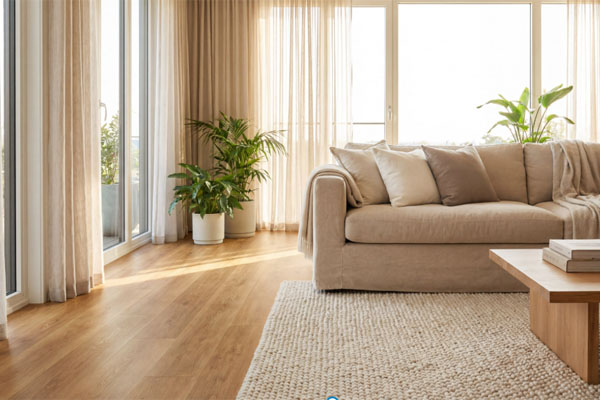
You can fix most common SPC flooring issues by ensuring proper subfloor preparation and maintaining consistent indoor temperatures. Dealing with spc flooring problems can be incredibly frustrating when you expect a “worry-free” floor. If you notice your beautiful planks starting to gap, buckle, or fade, the initial excitement of your home renovation can quickly turn into a stressful headache. Fortunately, choosing high-quality spc flooring and following expert advice can resolve these issues and restore your home’s aesthetic.
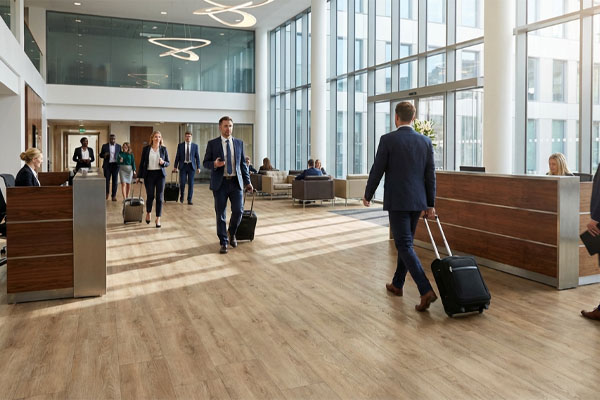
Why is my SPC flooring buckling?
Buckling is usually caused by the lack of an expansion gap or extreme temperature fluctuations that force planks to lift. These spc flooring problems often occur when the floor is installed too tightly against walls or heavy cabinetry.
Is heat affecting your floor?
Here is the thing: heat makes materials expand, and even rigid cores need room to breathe. If you install your planks in direct sunlight without protection, they might rise.
- Use window tints to reduce UV heat.
- Maintain a stable indoor climate.
- Check for heavy furniture blocking movement.
| Cause | Solution | |
|---|---|---|
| No expansion gap | Trim edges of planks near walls | |
| Extreme heat | Use blinds or climate control |
Proper spacing is the most effective way to eliminate the physical pressure that causes floors to buckle upwards.
Key Takeaway: Always leave at least a 1/4 inch expansion gap around the perimeter to prevent the floor from lifting.
Can sunlight cause SPC floor fading?
Yes, prolonged exposure to direct sunlight can lead to discoloration and fading of the decorative layer over time. Understanding these spc flooring problems is essential before you decide why choose SPC flooring for rooms with large floor-to-ceiling windows.
How to protect your design?
But wait, there’s more: modern wear layers offer UV resistance, but they aren’t completely invincible. You must take proactive steps to ensure your floor stays vibrant for decades.
- Rotate rugs periodically to even out light exposure.
- Use high-quality curtains during peak sun hours.
- Apply UV-protective window films.
| Issue | Prevention | |
|---|---|---|
| UV Bleaching | Install window UV filters | |
| Uneven Fading | Move area rugs occasionally |
While SPC is highly durable, protecting the surface from constant solar radiation ensures long-term visual consistency.
Key Takeaway: Reducing direct UV contact is the only way to preserve the original color of your stone plastic composite planks.
What causes gaps between SPC planks?
Gaps typically appear when the planks shift due to an uneven subfloor or failure to follow how to install SPC flooring guidelines. When you encounter spc flooring problems , gaps are often the most visible sign of a click-lock system failure.
Are the locks disconnected?
In simple terms: if the subfloor isn’t flat, the locking mechanism can eventually snap or disengage. You might notice small spaces appearing between the short ends of the planks first.
- Use a vacuum to clean out debris in gaps.
- Apply a small amount of wood glue to the groove.
- Use a glass suction cup to pull planks back together.
| Problem | Fix | |
|---|---|---|
| Debris in locks | Clean and re-engage | |
| Subfloor dips | Level with self-leveling compound |
Addressing subfloor issues early is much easier than trying to repair disconnected planks once the entire room is finished.
Key Takeaway: Ensuring a perfectly level subfloor before installation prevents the structural movement that leads to unsightly gaps.
Is your SPC flooring making noise?
Clicking or creaking sounds usually indicate that the floor is moving against the subfloor or an improper underlayment. These spc flooring problems are often more annoying than structural, but they suggest that the planks aren’t sitting flat.
Is the underlayment too thick?
Think about it: if your padding is too soft, the rigid core will bounce every time you take a step. This creates a vertical movement that causes the click-lock joints to rub together and squeak.
- Use a high-density, thin underlayment.
- Check for “humps” in your subfloor.
- Ensure the planks have enough room to expand.
| Sound Type | Likely Cause | |
|---|---|---|
| Hollow Sound | Missing or thin underlayment | |
| Creaking | Uneven subfloor or tight gaps |
Selecting a high-density IXPE or cork backing will significantly reduce the noise associated with rigid core floor movement.
Key Takeaway: Using the manufacturer-recommended underlayment provides the necessary support to keep your rigid core floor silent.

Why does my floor feel uneven?
An uneven feel is almost always the result of poor subfloor preparation rather than a defect in the material itself. These spc flooring problems can cause the planks to feel “bouncy” or unstable when you walk across the room.
Did you level the subfloor?
Look: a rigid core floor cannot hide imperfections in the ground beneath it like carpet or sheet vinyl can. Any dip or peak in the concrete or plywood will eventually transfer to the surface.
- Sand down high spots in wood subfloors.
- Fill low spots with a Portland-based leveler.
- Remove all old staples and adhesive residue.
| Symptom | Requirement | |
|---|---|---|
| Bouncy planks | Subfloor flatness within 3/16″ | |
| Visible telegraphing | Smooth, debris-free surface |
The stability of the stone plastic composite depends entirely on having a flat, solid surface to prevent joint strain.
Key Takeaway: Your SPC floor is only as good as the foundation it sits on, so spend extra time on prep.
Can you fix scratches on SPC?
While SPC is scratch-resistant, it is not scratch-proof, and heavy furniture or pets can leave marks on the surface. Managing these spc flooring problems requires consistent SPC flooring maintenance to keep the wear layer looking new.
How to remove surface marks?
The best part? Most minor scratches only affect the top wear layer and can be hidden with simple household or professional tools. You don’t always have to replace a whole plank just because of one scuff.
- Use a floor repair marker for deep gouges.
- Rub out light scuffs with a tennis ball.
- Apply a specialized vinyl floor polish.
| Damage Level | Repair Method | |
|---|---|---|
| Light Scuff | White rubber eraser or cloth | |
| Deep Scratch | Wax filler stick or plank swap |
Regular maintenance and protective measures will extend the life of your floor’s finish and maintain its original sheen.
Key Takeaway: Prevention is better than repair, so use felt pads under all furniture legs and keep pet nails trimmed.
Why is my floor core cracking?
Cracking usually happens when the rigid core is subjected to heavy impact or is installed over a very uneven surface. These spc flooring problems indicate that the limestone-vinyl composite has reached its breaking point due to excessive stress.
Is the subfloor too flexible?
Believe it or not: if your subfloor has too much “give,” the rigid core can’t bend with it and will eventually snap. This is why SPC is not recommended for installation over old, plush carpets or thick foam pads.
- Avoid installing over soft, existing flooring.
- Check the subfloor’s structural integrity.
- Use a tapping block carefully during installation.
| Risk Factor | Outcome | |
|---|---|---|
| Soft underlayment | Cracked locking joints | |
| Heavy drops | Core fractures or chips |
Ensuring structural rigidity beneath the planks is the most critical factor in preventing the core from failing over time.
Key Takeaway: A rigid core requires a firm, non-flexing base to prevent the core from cracking under the weight of foot traffic.
Does SPC flooring stain easily?
SPC flooring is highly resistant to stains because of its non-porous surface, but certain chemicals can still leave marks. You might encounter spc flooring problems if you use the wrong cleaning agents or leave spills for too long.
What should you avoid?
Want to know the secret? Harsh chemicals like bleach or ammonia can actually strip the wear layer and make the floor more susceptible to staining. You should only use pH-neutral cleaners designed for vinyl products.
- Wipe up spills like wine or oil immediately.
- Avoid using steam mops on the surface.
- Use doormats to catch outdoor contaminants.
| Substance | Risk Level | |
|---|---|---|
| Rubber mats | High (can cause yellowing) | |
| pH-neutral cleaner | Safe (preserves wear layer) |
The chemical composition of certain rubbers can react with the floor, so always choose “non-staining” rugs and mats.
Key Takeaway: Maintaining the integrity of the wear layer through proper cleaning is your best defense against permanent stains.
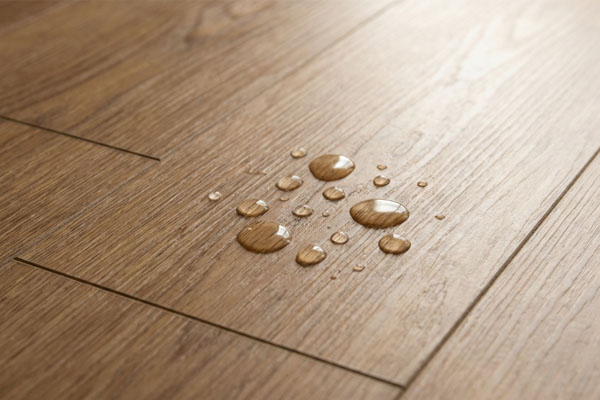
Why are the edges peaking up?
Peaking occurs when planks are pushed together horizontally, causing the edges to lift into a “tent” shape. These spc flooring problems are a direct result of the floor having no room to expand against the walls.
Is the floor too tight?
Let’s be honest: if you didn’t leave enough space around the perimeter, the planks have nowhere to go when they expand. This pressure forces the joints to rise up, creating a tripping hazard and potential damage.
- Check the gaps under your baseboards.
- Remove any spacers left behind during install.
- Trim planks where they meet door frames.
| Issue | Solution | |
|---|---|---|
| Joint Peaking | Create more perimeter space | |
| High Pressure | Check for heavy fixed objects |
Relieving the tension at the edges allows the floor to lay flat again, though some permanent damage to the locks may remain.
Key Takeaway: Peaking is a mechanical issue that can be fixed by providing the necessary expansion space at the room’s edges.
How do you fix water damage?
Although the core is waterproof, standing water can seep through the seams and damage the subfloor or cause mold. Dealing with these spc flooring problems involves addressing the moisture trapped under the planks rather than the planks themselves.
Can water get underneath?
Check this out: while the planks won’t swell like wood, the moisture trapped beneath them can lead to odors and subfloor rot. If a major flood occurs, you may need to uninstall the floor to dry the area.
- Use a wet-dry vac for surface spills.
- Dry the subfloor completely if water seeps through.
- Replace damp underlayment to prevent mold growth.
| Exposure | Action | |
|---|---|---|
| Minor Spill | Wipe dry within 24 hours | |
| Major Flood | Remove planks to dry subfloor |
Promptly addressing leaks prevents secondary issues like mold, which can be far more expensive to fix than the floor itself.
Key Takeaway: SPC is waterproof from above, but you must protect the subfloor from moisture to ensure a healthy home environment.
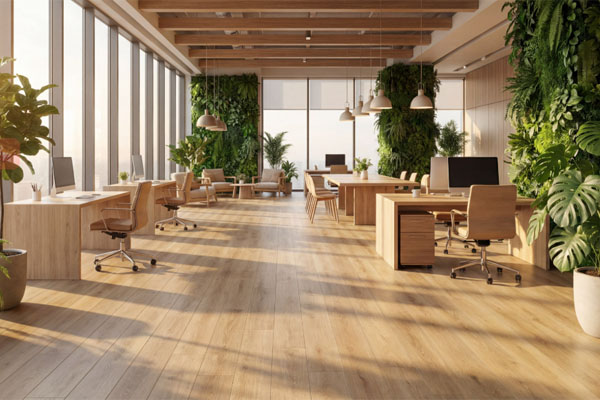
Conclusion
Understanding the most common SPC flooring issues allows you to enjoy the beauty and durability of this modern material without the stress. By focusing on proper installation, temperature control, and a level subfloor, you can avoid almost every major pitfall associated with rigid core products. If you have any further questions or need professional guidance on your next project, please contact us today for expert assistance.
FAQ
Can I install SPC flooring over carpet?No, you should never install SPC over carpet as the soft surface provides no support for the click-lock joints, leading to breakage.
What’s the best way to clean SPC floors?The best way is to use a soft broom or vacuum daily and a damp mop with a pH-neutral cleaner for deeper sanitization.
Can I use a steam mop on SPC?No, you should avoid steam mops because the high heat can damage the wear layer and potentially weaken the adhesive or core.
Is SPC flooring suitable for bathrooms?Yes, SPC is an excellent choice for bathrooms because it is 100% waterproof and highly resistant to humidity and moisture.
What’s the ideal temperature for SPC?You should maintain an indoor temperature between 60°F and 80°F to ensure the planks remain stable and don’t experience excessive expansion.