
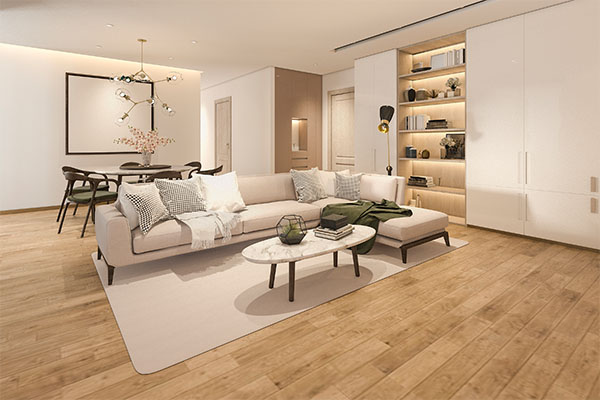
A matte finish is the superior choice for hiding scratches on an LVT Surface because its low-sheen texture diffuses light instead of reflecting it. Dealing with visible scuffs in a high-traffic lobby is a nightmare for any facility manager who wants to maintain a premium look. You invest thousands in flooring only to have it look worn within months due to micro-scratches caught in the glare of overhead lights. Adasea Flooring provides specialized matte finishes that camouflage daily wear and tear, keeping your commercial or residential spaces looking pristine without constant maintenance.
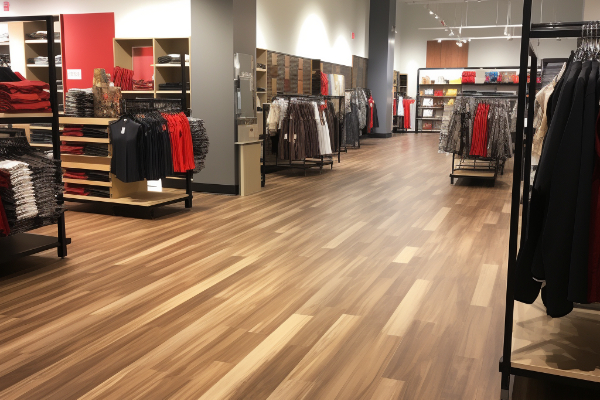
Why does a matte LVT surface hide scratches better than a glossy one?
A matte finish hides scratches by scattering light across its non-reflective texture, which prevents the “highlighting” effect seen on shiny floors. This specific LVT Surface creates a soft, natural look that mimics unvarnished wood or stone.
The Science of Light Diffusion
The best part? Because matte finishes have a low Gloss Unit (GU) rating, light bounces off the floor at multiple angles rather than in one direct line.
- Scratches remain invisible to the naked eye.
- Diffused light softens the visual impact of scuffs.
- The surface maintains a uniform appearance under LED lighting.
- Natural wood patterns remain the focal point. Here is the kicker: when light is scattered, the physical depth of a scratch doesn’t create a shadow or a glint.
Summary of Finish Visibility
| Finish Type | Light Behavior | Scratch Visibility |
|---|---|---|
| Matte | Diffusion | Low |
| Glossy | Reflection | High |
The data proves that light diffusion is the primary factor in maintaining a clean aesthetic.
Key Takeaway: Matte finishes are the industry standard for high-traffic zones because they neutralize the visual impact of surface abrasions.
How does light reflection affect the visibility of wear on an LVT surface?
Light reflection magnifies wear on a glossy LVT Surface because any break in the smooth finish creates a bright visual contrast. Scratches act like tiny mirrors that catch the light, making even minor marks stand out.
Contrast and Reflection Mechanics
Think about it: in a room with large windows, sunlight hitting a shiny floor will immediately reveal every footprint and micro-scratch.
- Direct light highlights surface irregularities.
- High-gloss finishes create a “mirror effect” for damage.
- Scratches appear as white lines against darker colors.
- Wear patterns become obvious in walking paths. The truth is, high-reflectivity surfaces require a perfectly smooth plane to look good, which is impossible in a busy building.
Light Impact Comparison
| Lighting Condition | Matte Response | Glossy Response |
|---|---|---|
| Natural Sunlight | Absorbs glare | Magnifies scratches |
| Overhead LED | Soft glow | Harsh hotspots |
Managing light reflection is essential for reducing the perceived aging of your flooring.
Key Takeaway: Reducing light reflection via a matte sheen ensures that everyday wear remains hidden from your clients and residents.
Does a glossy LVT surface offer any durability advantages for commercial use?
Glossy finishes excel in aesthetic depth and perceived luxury but offer no inherent physical durability boost for an LVT Surface. While they look sleek in high-end showrooms, they do not provide extra protection against physical indentation.
Aesthetic Depth vs. Physical Hardness
Let’s be honest: many designers choose gloss because it makes stone-look tiles appear more like polished marble or granite.
- Vibrant colors pop under high-sheen coatings.
- High-gloss can make small rooms feel larger.
- The smooth surface is often perceived as “cleaner.”
- Modern designs benefit from a polished, tech-forward look. But wait, there’s more: the durability comes from the wear layer thickness, not the level of shine on the top.
Glossy Usage Analysis
| Benefit Category | Performance Score | Commercial Suitability |
|---|---|---|
| Visual Impact | High | Best for low-traffic luxury |
| Maintenance | Low | Requires frequent buffing |
Choosing gloss is a stylistic decision that must be weighed against the increased labor costs of cleaning.
Key Takeaway: Glossy finishes are best reserved for executive suites or low-traffic areas where visual prestige outweighs scratch-hiding needs.
What role does the wear layer play in protecting the LVT surface finish?
The wear layer acts as the primary shield for an LVT Surface , determining how long the matte or glossy finish remains intact. This transparent top coating is what actually resists the physical pressure of furniture and foot traffic.
UV-Cured Coating Technology
You should know that modern LVT uses UV-cured coatings that often include aluminum oxide or ceramic beads for extra hardness.
- Thicker wear layers (0.5mm+) prevent deep gouges.
- UV coatings preserve the intended sheen level.
- Ceramic additives improve scratch resistance.
- Stain resistance is tied directly to this layer. The bottom line is: without a high-quality wear layer, no amount of matte texture will save your floor from damage.
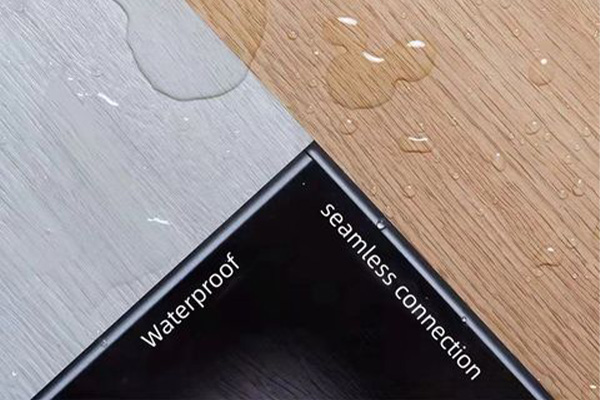
Wear Layer Performance
| Thickness | Usage Type | Finish Longevity |
|---|---|---|
| 0.3mm | Light Residential | 5-7 Years |
| 0.5mm | Commercial | 10-15 Years |
A robust wear layer ensures the matte texture doesn’t “polish” into a shiny spot over time.
Key Takeaway: Always prioritize a wear layer of at least 0.5mm to ensure your matte finish retains its scratch-hiding properties.
Which LVT surface texture is most resistant to heavy foot traffic?
Embossed-in-register (EIR) textures are most resistant to visible foot traffic because they provide a physical topography to an LVT Surface. By mimicking the grain of real wood, these textures hide scratches within the natural “valleys” of the design.
Structural Benefits of EIR
Look at it this way: a flat, smooth floor has nowhere to hide a scratch, whereas a textured floor camouflages damage.
- Textures break up the visual plane of the floor.
- Deep embossing prevents objects from sliding smoothly.
- Wood grains mask the direction of scuff marks.
- EIR provides the most realistic tactile experience. The best part? Scratches that occur on a textured surface often look like part of the natural wood grain.
Texture Resistance Rankings
| Texture Type | Resistance Level | Visual Realism |
|---|---|---|
| EIR (Embossed) | Superior | High |
| Smooth | Poor | Low |
Texturing is the secret weapon for any high-traffic retail environment.
Key Takeaway: Combining a matte finish with an EIR texture creates the most durable visual defense for commercial flooring.
Are matte LVT surface options harder to clean than glossy alternatives?
Matte options are actually easier to maintain because an LVT Surface with low sheen hides dust and streaks that would be obvious on gloss. You don’t have to worry about “ghosting” or swirl marks left behind by mops.
Simplified Maintenance Protocols
Believe it or not, facility managers save significant time when they switch to matte floors.
- Footprints and smudges are less visible.
- Cleaning streaks disappear as the floor dries.
- No specialized buffing equipment is required.
- Dust doesn’t “glow” against the matte finish. Here is the kicker: while glossy floors need daily polishing to stay shiny, matte floors look fresh with a simple pH-neutral wipe.
Maintenance Labor Comparison
| Cleaning Task | Matte Frequency | Glossy Frequency |
|---|---|---|
| Dust Mopping | Weekly | Daily |
| Damp Mopping | As needed | Daily (to prevent streaks) |
Maintenance savings can account for a significant portion of the total cost of ownership.
Key Takeaway: Matte finishes reduce the daily cleaning burden, making them a more cost-effective choice for large-scale properties.
How do embossed textures impact the scratch resistance of an LVT surface?
Embossed textures enhance the scratch resistance of an LVT Surface by reducing the total contact area that abrasive objects have with the wear layer. When a heavy chair is dragged, it only hits the “peaks” of the texture.
Contact Surface Mechanics
The secret is simple: if the object doesn’t touch the entire surface, the damage is localized and harder to see.
- Texture creates a “buffer” against sliding friction.
- Peaks take the wear, leaving valleys pristine.
- Depth variation obscures the length of scratches.
- Surface tension is distributed unevenly to prevent deep gouges. Let’s dive in: this mechanical advantage is why hand-scraped and EIR styles are so popular in pet-friendly homes.
Texture Impact Data
| Surface Profile | Contact Surface | Damage Visibility |
|---|---|---|
| Flat / Smooth | 100% | High |
| Embossed | 60-70% | Low |
Physical depth acts as a sacrificial barrier that preserves the overall look of the floor.
Key Takeaway: Deeply embossed textures offer a mechanical advantage that literally keeps scratches away from the design layer.
What are the safety implications of choosing a glossy vs. matte LVT surface?
Matte finishes provide superior safety for an LVT Surface by offering a higher coefficient of friction and reducing dangerous light glare. In commercial settings, slip-and-fall liability is a major concern that matte floors help mitigate.
Slip Resistance and Visual Comfort
It’s a fact: glossy floors become incredibly slick when even a small amount of moisture is present.
- Matte finishes offer better grip for shoes.
- Glare reduction prevents temporary blindness in bright areas.
- Depth perception is improved for elderly residents.
- R9 to R11 slip ratings are easier to achieve with matte. Here is the kicker: a floor that is both safe and scratch-resistant provides double the value for property developers.
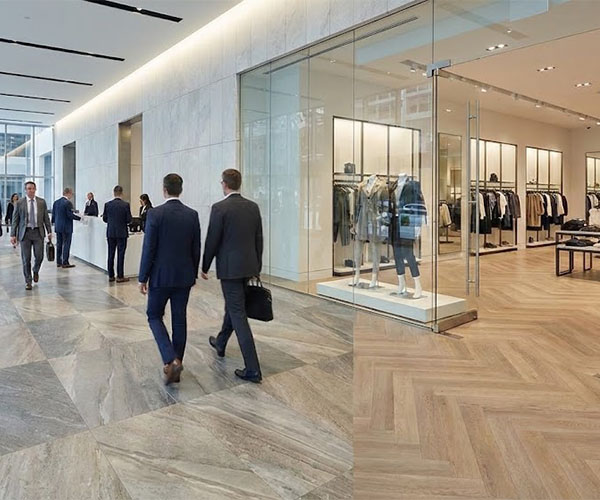
Safety Metric Comparison
| Safety Factor | Matte Performance | Glossy Performance |
|---|---|---|
| Slip Resistance | High | Low |
| Glare Level | Negligible | Distracting |
Safety should never be sacrificed for a shiny aesthetic in public spaces.
Key Takeaway: Choosing matte ensures you meet building safety codes while maintaining a floor that looks new for years.
Which LVT surface finish provides the best ROI for large-scale B2B projects?
Matte finishes provide a better ROI because the LVT Surface maintains its visual integrity longer without the need for expensive polishing or premature replacement. In the B2B world, longevity equals profit.
Lifecycle Cost Reductions
Think about it: if you have to replace a glossy floor every 5 years due to visible wear, your ROI plummeted.
- Replacement cycles are extended by 30-50%.
- Labor costs for specialized cleaning are eliminated.
- Tenant satisfaction remains high over long leases.
- Higher resale value for the property. The best part? You spend less on chemical waxes and buffing pads over the life of the installation.
Projected ROI Factors
| Cost Driver | Matte Finish | Glossy Finish |
|---|---|---|
| Lifespan | 12+ Years | 7-9 Years |
| Repair Costs | Low | High |
Matte flooring is the “set it and forget it” solution for professional property managers.
Key Takeaway: Lower maintenance and longer replacement cycles make matte finishes the most profitable long-term flooring investment.
How can you specify the ideal LVT surface for a multi-residential development?
Specifying a matte finish with a 0.5mm wear layer is the ideal standard for a multi-residential LVT Surface to ensure longevity across various tenants. This combination balances aesthetic appeal with extreme durability.
Strategic Specification Standards
You need to ensure your RFP includes the exact technical specs to avoid receiving low-quality substitutions.
- Demand a Gloss Unit (GU) below 10%.
- Require an EIR texture for maximum realism.
- Specify a 0.5mm minimum wear layer thickness.
- Ask for UV-cured anti-scratch topcoats. Let’s dive in: providing these specifics ensures that your development stays modern and durable regardless of tenant habits.
Multi-Res Spec Checklist
| Spec Component | Recommended Value |
|---|---|
| Sheen | Matte |
| Wear Layer | 0.5mm – 0.7mm |
Correct specification from the start prevents costly remediation down the road.
Key Takeaway: Clear technical specifications protect your project from the high visibility of damage common in low-gloss imitations.
FAQ
Can I use a matte LVT surface in a bathroom?Yes. Matte finishes often provide better slip resistance in wet areas compared to glossy tiles, making them safer for bathrooms and laundry rooms.
Do matte floors look “dull” over time?No. Higher-quality matte floors from Adasea Flooring use UV coatings that prevent the finish from fading or becoming cloudy, even in high-traffic areas.
How do I fix a scratch on a matte floor?Minor scratches can often be disguised with a friction rub or a specialized vinyl repair pen. However, matte finishes usually hide these marks well enough that repair is unnecessary.
Are matte floors more expensive to buy?No. The price of LVT is determined by the wear layer thickness and the core material (SPC vs. LVT), not the level of sheen.
Which is better for big dogs, matte or glossy?Matte is significantly better for pet owners. Dog claws will create micro-scratches that are highly visible on gloss but nearly invisible on a matte, textured surface.
Professional Conclusion
Selecting the right finish is the difference between a floor that lasts a decade and one that looks old in a year. While glossy finishes offer a high-end shine, they simply cannot compete with the scratch-concealing power of a matte finish. For any professional project where durability and low maintenance are priorities, a matte, textured floor is the only logical choice.
If you’re ready to secure high-performance flooring for your next project, contact us today to request a quote and see our full range of matte LVT solutions.