
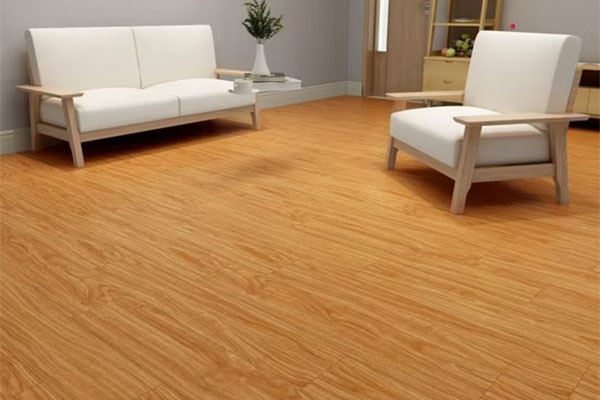
Premium SPC core luxury vinyl flooring is a high-performance, 100% waterproof surface specifically engineered to withstand the rigors of heavy-traffic commercial environments. You are likely managing a facility where standard floors fail under constant foot traffic and moisture. Frequent repairs and downtime are draining your budget and impacting your operational efficiency. By choosing spc core luxury vinyl flooring , you gain a “rock-solid” foundation that eliminates these headaches and protects your long-term investment.
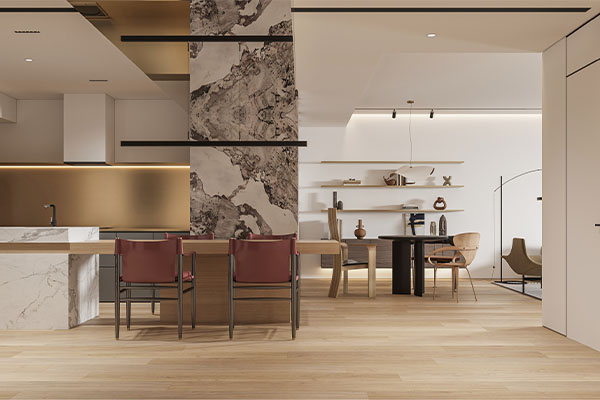
What is rigid core luxury vinyl flooring?
Rigid core luxury vinyl flooring is a specialized flooring type that utilizes a limestone-stabilized stone plastic composite to create an indent-resistant plank. Utilizing spc core luxury vinyl flooring allows your commercial project to remain dimensionally stable even under extreme temperature fluctuations.
The evolution of stone plastic composite
The industry has moved beyond flexible plastics to incorporate mineral-based cores for superior strength. This evolution ensures that your flooring can handle rolling loads and heavy furniture without telegraphing subfloor imperfections.
- Limestone powder base
- Polyvinyl chloride stabilizers
- No expansion or contraction
- Enhanced impact resistance
Here is the deal: modern engineering has essentially turned vinyl into a synthetic stone that retains the aesthetic warmth of wood.
Why commercial spaces are making the switch
Business owners prefer this material because it combines the visual appeal of natural materials with the maintenance ease of synthetic products. It provides a professional look that lasts for decades rather than years.
Key Takeaway: Understanding the core composition helps you realize why this material is the “gold standard” for durability in modern construction.
| Feature | Performance |
|---|---|
| Core Type | Rigid Stone Plastic Composite |
| Stability | High |
| Waterproofing | 100% |
This rigid construction serves as the primary defense mechanism against structural failure in high-traffic zones.
What is the layered product structure?
The layered structure of this flooring consists of five distinct components engineered to provide a balance of aesthetics, protection, and stability. Incorporating spc core luxury vinyl flooring into your design ensures a multi-faceted approach to surface longevity.
The role of the UV wear layer
The top UV coating acts as a shield against fading and surface staining from spills or sunlight. This layer is vital for maintaining the vibrant appearance of the decor film beneath it.
But wait, there’s more:
- UV Finish: Prevents discoloration.
- Wear Layer: Resists scratches and scuffs.
- Decor Film: Provides high-definition visuals.
Why the rigid core provides stability
The dense core at the center prevents the planks from warping or curling when exposed to heat or spills. This structural integrity is what separates it from traditional, flexible vinyl products.
Key Takeaway: A layered approach ensures that every square meter of your floor is protected from both surface damage and structural warping.
| Layer | Function |
|---|---|
| Wear Layer | Surface Protection |
| Decor Film | Aesthetic Design |
| SPC Core | Structural Integrity |
Analyzing the cross-section reveals why these planks are significantly more durable than residential-grade alternatives.
What are the key benefits of this floor?
The primary benefits of this floor include total waterproof protection, extreme dent resistance, and ease of cleaning. High-traffic spc core luxury vinyl flooring is the ideal choice for environments where durability cannot be sacrificed for style.
Unmatched durability for heavy traffic
With AC4 and AC5 ratings, these floors are built to handle the constant flow of customers and staff. The dense core ensures that even heavy equipment won’t leave permanent indentations on the surface.
Look:
- Scratch-resistant technology
- High-load bearing capacity
- Stain-proof surface
- Long commercial warranties
Eco-friendly and formaldehyde-free materials
Modern production methods ensure that your flooring contributes to healthy indoor air quality. These materials are often 100% recyclable and free from harmful phthalates or formaldehyde.
Key Takeaway: Investing in high-performance flooring reduces the total cost of ownership by extending replacement cycles and minimizing maintenance.
| Benefit | Impact |
|---|---|
| Waterproof | No moisture damage |
| Dent Resistant | Maintains flat surface |
| Low VOCs | Better air quality |
Choosing a product with these benefits ensures your facility remains functional and safe for all occupants.
What does the SPC acronym represent?
The SPC acronym stands for Stone Plastic Composite, which describes the mixture of natural limestone powder and stabilizers used in the core. Choosing spc core luxury vinyl flooring means you are opting for a mineral-dense product rather than a purely plastic one.
Stone Plastic Composite vs. Polymer
While some call it Stone Polymer Composite, the result is a material that is significantly denser than WPC or standard LVT. This density translates directly into the product’s ability to resist compression and impact.
You see:
- 70% limestone content
- High-pressure manufacturing
- Zero wood fiber additives
- Ultra-high density
The manufacturing process advantage
The limestone and PVC are blended and extruded under high pressure to create a single, solid piece. This process eliminates the risk of delamination that often plagues inferior multi-layered products.
Key Takeaway: Knowing the material science behind the acronym helps you verify the quality of the product you are specifying.
| Component | Percentage (Approx) |
|---|---|
| Limestone | 60-70% |
| PVC/Stabilizers | 30-40% |
This unique mixture creates a “stone-like” rigidity that is far superior to traditional wood-based flooring.
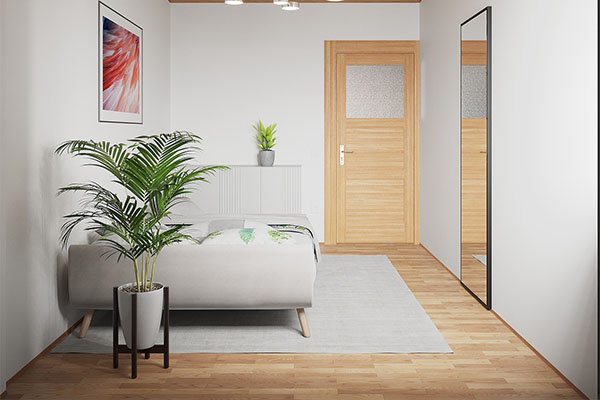
Is SPC better than traditional vinyl?
SPC is considered superior to traditional vinyl because its rigid core offers much better protection against telegraphing and dents. Standard spc core luxury vinyl flooring provides a more stable foundation than the flexible “dryback” versions used in the past.
Density and dent resistance comparisons
Traditional vinyl is soft and pliable, which makes it comfortable but prone to showing every bump in the subfloor. In contrast, the rigid core bridges small gaps and resists the weight of heavy retail shelving.
Best of all:
- Hides subfloor flaws.
- Withstands heavy static loads.
- Resists high heels and furniture legs.
Thermal expansion and contraction
Flexible vinyl can expand significantly when exposed to sunlight through large windows. The stone composite core remains stable, preventing the unsightly gapping that ruins a commercial interior’s look.
Key Takeaway: For commercial applications, the structural strength of rigid core outweighs the slight flexibility benefits of traditional LVT.
| Feature | Traditional Vinyl | SPC Rigid Core |
|---|---|---|
| Core | Flexible PVC | Rigid Limestone/PVC |
| Subfloor Prep | Extensive | Minimal |
The increased density of the rigid core creates a more reliable and professional flooring surface for businesses.
Is SPC better than laminate flooring?
SPC is better than laminate because it is 100% waterproof and does not swell when exposed to liquids. Selecting spc core luxury vinyl flooring eliminates the risk of “peaking” at the joints that occurs when laminate gets damp.
Comparing moisture resistance and lifespan
Laminate flooring uses a wood-based HDF core that acts like a sponge when water enters the seams. SPC remains unaffected, making it suitable for entryways where snow and rain are tracked inside.
Think about it:
- No swelling or warping
- No mold growth in the core
- Safe for commercial kitchens
- Easier wet-mopping routines
Surface hardness and acoustic performance
While laminate is very hard, it can sound “clattery” and hollow without expensive underlayment. SPC typically comes with pre-attached IXPE padding that absorbs sound and provides a quieter environment for offices.
Key Takeaway: Replacing wood-based laminate with stone-based composite prevents expensive moisture-related failures in your facility.
| Property | Laminate | SPC |
|---|---|---|
| Waterproof | No | Yes |
| Swelling | High Risk | Zero Risk |
Transitioning to a waterproof core allows you to maintain a consistent look across bathrooms and corridors.
Which is better: LVT or SPC flooring?
SPC is generally better for commercial projects due to its stability, while LVT is often preferred in residential settings for its soft feel. High-quality spc core luxury vinyl flooring offers the structural strength required for large open-plan offices and retail stores.
Comfort underfoot vs. structural strength
LVT is softer and more flexible, which provides a slightly more cushioned feel when walking. However, in a B2B environment, the priority is usually the floor’s ability to remain flat and withstand heavy traffic.
Bottom line:
- LVT for low-traffic luxury.
- SPC for heavy-duty performance.
- Both offer beautiful wood visuals.
Noise reduction and sound absorption
Both products can incorporate acoustic layers, but LVT’s softer nature naturally absorbs more footfall noise. However, modern SPC with thick IXPE backing matches this performance while offering better durability.
Key Takeaway: Choose the product that matches your specific traffic patterns and subfloor conditions for the best results.
| Factor | LVT | SPC |
|---|---|---|
| Thickness | 2mm – 5mm | 4mm – 7mm |
| Best Use | Multi-family/Residential | Retail/Corporate |
Selecting the right product involves balancing the need for underfoot comfort with the demand for long-term structural integrity.
Can SPC flooring get wet or damp?
Yes, this flooring can get wet without any risk of damage because the stone composite core is entirely non-porous. Specifying spc core luxury vinyl flooring for your project allows for a seamless design that extends into wet zones like bathrooms.
Waterproof solutions for bathrooms and kitchens
In commercial kitchens or restrooms, spills are inevitable and often left for hours. Unlike hardwood or laminate, SPC will not absorb liquid or host bacteria between the planks.
Now:
- Excellent for medical facilities
- Safe for pet-friendly hotels
- Ideal for gym locker rooms
- Withstands frequent steam cleaning
The moisture barrier and mold prevention
The pre-attached padding is typically closed-cell foam, which prevents moisture from being trapped against the subfloor. This reduces the risk of mold and mildew growth beneath your flooring.
Key Takeaway: A 0% absorption rate ensures that your floor remains sanitary and structurally sound even in the wettest conditions.
| Area | Suitability |
|---|---|
| Commercial Kitchen | Highly Suitable |
| Public Restroom | Highly Suitable |
| Office Lobby | Highly Suitable |
A completely waterproof core provides peace of mind in any environment where liquid spills are a common occurrence.
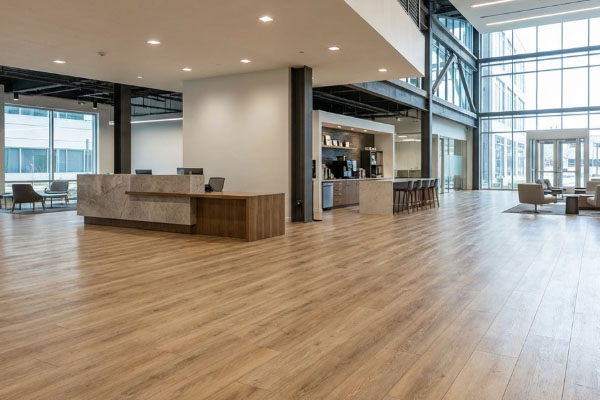
How do you install SPC core flooring?
Installing this flooring is a fast and efficient process thanks to modern click-lock systems that require no messy adhesives. Standard spc core luxury vinyl flooring can be installed significantly faster than traditional glue-down options, saving you labor costs.
The efficiency of click-lock systems
The planks feature a tongue-and-groove system that snaps together securely, creating a “floating floor” that expands and contracts as a single unit. This eliminates the need for curing time, allowing you to walk on the floor immediately.
Truth is:
- No glue odors.
- Simple tool requirements.
- Minimal subfloor leveling.
Subfloor preparation requirements
While the rigid core is forgiving, the subfloor should still be clean, dry, and relatively flat. Removing large bumps ensures that the click-lock joints remain under minimal stress over time.
Key Takeaway: Speed of installation is a major factor in reducing renovation downtime for your business operations.
| Task | Time Required |
|---|---|
| Preparation | Low |
| Installation | Fast |
| Curing Time | None |
The efficiency of a click-lock system allows for overnight renovations without interrupting daily business activities.
How should you maintain commercial SPC?
Maintaining this floor requires only basic sweeping and damp mopping with a pH-neutral cleaner to keep it looking new. Professional-grade spc core luxury vinyl flooring is designed to be low-maintenance, requiring no waxing or stripping.
Daily cleaning routines for longevity
A daily sweep or vacuum removes abrasive grit that can wear down the protective layer over many years. For deeper cleaning, a microfiber mop with a mild detergent is all that is necessary to remove scuffs.
Here is the kicker:
- No polishing required
- No special chemicals needed
- Easy spot repairs
- Resistant to heavy cleaners
Protecting the wear layer from scuffs
While extremely durable, using felt pads on furniture legs and walk-off mats at entryways will further extend the life of the wear layer. These simple steps prevent heavy sediment from being dragged across the surface.
Key Takeaway: Low maintenance requirements translate directly into lower labor costs for your facility management team.
| Action | Frequency |
|---|---|
| Sweeping | Daily |
| Damp Mopping | Weekly |
| Deep Cleaning | As Needed |
Consistent, simple maintenance is the most effective way to protect your aesthetic and structural investment.
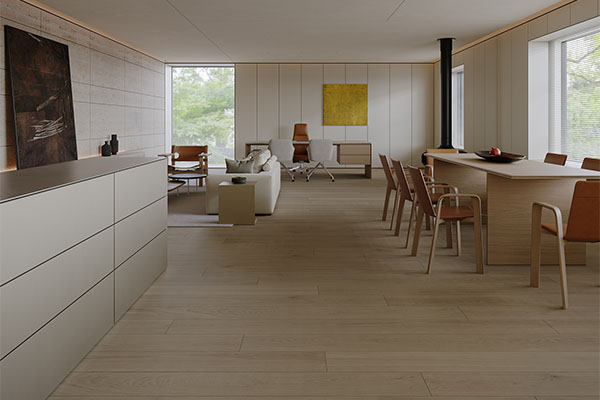
By choosing the right flooring solution, you solve the chronic problems of moisture damage, structural instability, and high maintenance costs. Our mission is to provide global distributors and contractors with a “worry-free” surface that combines the beauty of natural wood with the indestructible nature of stone composite. We stand at the forefront of flooring innovation, ensuring every project we supply reflects our commitment to quality and durability. If you are ready to secure a premium foundation for your next commercial project, contact us today for a tailored quote and expert guidance.
Frequently Asked Questions
Can I install this over existing ceramic tile?Yes. The rigid core of this flooring is dense enough to bridge grout lines and minor imperfections, making it a perfect solution for covering old tile without the cost of demolition.
What’s the best wear layer thickness for a busy office?It depends on the traffic, but a 0.5mm (20mil) wear layer is generally the industry standard for moderate to heavy commercial use. This thickness provides the best balance between cost and long-term protection against scuffing.
How do I know if I need IXPE padding?Yes, you almost always should use it for commercial projects. It provides a significant increase in sound absorption (IIC rating) and adds a layer of underfoot comfort that reduces fatigue for employees who are standing all day.
Can I get a custom design to match my company branding?Yes. Through our professional OEM services, we can customize the decor film patterns and textures to align with your specific brand identity or architectural vision.
What’s the best way to prevent scratches from heavy furniture?It depends on the furniture, but the direct use of felt protectors or wide-base glides is highly recommended. While the floor is scratch-resistant, concentrated pressure from metal-bottomed legs can eventually wear the surface.