
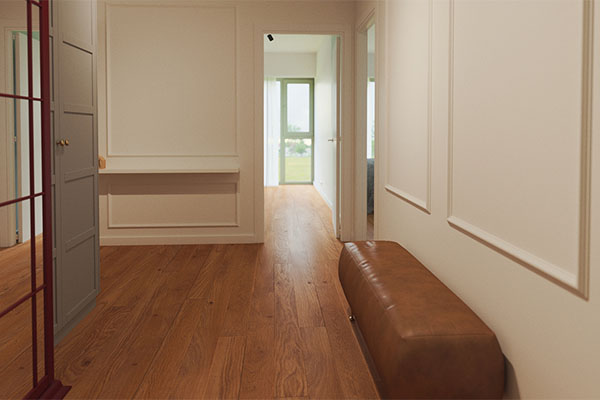
Floating engineered flooring represents a sophisticated solution for high-volume commercial and residential projects requiring both speed and structural stability. You likely face significant pressure when managing large-scale developments where labor shortages and tight construction windows threaten your projected ROI. These delays do not just postpone move-in dates; they actively drain your capital and complicate your logistics chains. By integrating professional flooring solutions into your specifications, you can dramatically accelerate installation times while ensuring a premium finish that meets international quality standards.
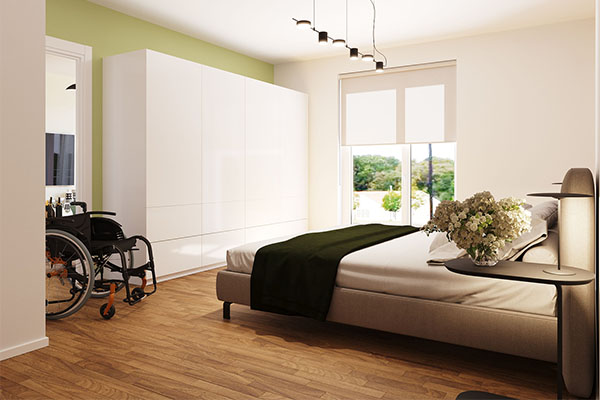
Is floating engineered flooring the right choice for B2B projects?
Floating engineered flooring is widely considered the optimal choice for B2B applications due to its versatility across varying subfloor conditions and its rapid deployment capabilities. You will find that this material excels in multi-family housing, hotel renovations, and corporate office fit-outs where downtime is a critical cost factor. The ability to install large areas without the use of messy adhesives or specialized nailing equipment allows your crews to work more efficiently. This flexibility ensures that you can meet demanding project schedules without sacrificing the visual appeal or the structural integrity of the interior space.
Why is speed of installation a primary factor?
The “click-lock” technology integrated into these planks allows for a glueless installation that is significantly faster than traditional methods. You can typically cover double the square footage in the same amount of time compared to nail-down hardwood.
The best part?
There is absolutely no waiting time for adhesives to cure or for finishes to dry, allowing other trades to enter the room immediately. This streamlining of the construction sequence is vital for maintaining momentum in fast-track commercial developments.
- No adhesive odors or VOC emissions during the process.
- Reduction in specialized tool requirements for your crew.
- Ability to perform installations overnight in retail settings.
Does it solve subfloor imperfection issues?
Because the floor “floats” over the subfloor, it can bridge minor height variations and small cracks that would cause traditional floors to fail. You spend less on leveling compounds and subfloor grinding, which preserves your project budget for other high-value features.
Look:
This method acts as a protective layer that adapts to the building’s natural settlement. This resilience is particularly valuable in new construction where concrete slabs may still be releasing moisture or settling over the first year.
Key TakeawayFloating systems provide a buffer against subfloor movement, reducing the risk of long-term structural complaints from end-users or building owners.
| Factor | Floating Advantage | Impact on ROI |
|---|---|---|
| Labor Time | 40% Reduction | Lower Overhead |
| Prep Costs | Minimal | Higher Margin |
| Site Access | Immediate | Faster Turnover |
The analysis shows that floating systems directly improve project liquidity by reducing the time between material delivery and final inspection.
What makes floating engineered flooring so durable?
The durability of floating engineered flooring stems from its multi-ply construction and high-density core materials that resist warping and moisture damage. You can rely on these wholesale flooring solutions to maintain their dimensional stability even in climates with high humidity fluctuations. Unlike solid wood, which expands and contracts significantly, the cross-grained layers in engineered planks counteract natural movement. This engineering ensures that your project maintains tight seams and a level surface throughout the life of the building lease.
How does core density influence longevity?
High-density fiberboard (HDF) or stone plastic composite (SPC) cores provide the necessary rigidity to support heavy commercial furniture and constant foot traffic. You avoid the “softness” associated with some natural woods that might dent or scratch under the pressure of office equipment.
But wait, there’s more.
These dense cores are often infused with resins that make them highly resistant to environmental changes. This technical advantage translates to fewer callbacks for your firm and higher satisfaction for the property manager.
- Enhanced resistance to impact and indentation.
- Superior screw and nail holding for perimeter moldings.
- Moisture resistance that exceeds traditional timber standards.
Why is the wear layer specification critical?
The thickness of the top veneer and the quality of the UV-cured coating determine how many years the floor will look new. You should specify a wear layer of at least 0.5mm for commercial zones to ensure the floor withstands thousands of daily footsteps.
Think about this:
A superior wear layer acts as the primary shield against the abrasive grit and spills common in public spaces. This protective barrier simplifies the maintenance routine for the cleaning staff and extends the replacement cycle of the material.
Key TakeawayEngineered layers provide the structural “memory” required to keep planks flat and aligned under heavy use and variable environmental conditions.
| Spec | Industrial Standard | Professional Recommendation |
|---|---|---|
| Core Type | Multi-ply Wood | SPC or HDF Core |
| Wear Layer | 0.3mm | 0.5mm – 0.7mm |
| Coating | Standard Oil | Multi-layer UV Coating |
Our analysis indicates that prioritizing core density and wear layer thickness is the most effective way to prevent premature wear in high-traffic zones.
Does floating engineered flooring installation save you money?
Floating engineered flooring significantly reduces the total cost of ownership by lowering both the initial labor investment and the long-term maintenance requirements. You will notice that your procurement costs are often lower than solid hardwood, yet you provide the same luxury aesthetic that drives up property value. The reduction in specialized labor needs means you aren’t tied to the availability of master carpenters, which is a major bottleneck in the current market. This financial efficiency allows you to allocate resources to other areas of the development where high-end finishes are equally important.
How do labor savings manifest?
Because the system uses a click-lock mechanism, your general installers can handle the placement without needing years of specialized wood flooring training. You can deploy larger crews to finish entire floors of an apartment building in a fraction of the time.
The result?
You see a direct reduction in the “man-hour per square meter” metric, which is a key performance indicator for any large contractor. These savings can be passed on to the client or used to pad your project’s contingency fund.
- Drastic reduction in material waste due to precision milling.
- No need for expensive adhesives or fasteners.
- Lower insurance risks as there is no heavy machinery or fumes.
Is the maintenance cost lower for property managers?
The factory-applied finishes on these planks are designed to be low-maintenance, requiring only basic cleaning protocols rather than periodic sanding and refinishing. You can provide your clients with a 15-year or 25-year commercial warranty that is backed by the stability of the engineered structure.
It gets better:
The durability of modern coatings means that the floors maintain their luster without the need for periodic waxing. This reduced upkeep requirement is a major selling point for B2B clients looking to minimize operational expenditures.
Key TakeawayThe combination of low installation costs and minimal maintenance requirements makes this flooring type the most financially viable option for long-term hold assets.
| Cost Head | Traditional Wood | Floating Engineered |
|---|---|---|
| Installation | 15 /sqm | 6 /sqm |
| Materials | High | Moderate |
| Maintenance | High (Sanding) | Low (Mopping) |
The data confirms that the floating method offers the lowest barrier to entry and the most predictable long-term cost structure for developers.
How does floating engineered flooring handle wet areas?
Modern floating engineered flooring options, particularly those with SPC cores, are designed to be 100% waterproof and moisture-resistant. You can contact our specialists to discuss how these advanced cores allow you to extend a consistent wood look into kitchens and semi-wet commercial zones. Traditional wood would swell and delaminate in these environments, leading to costly insurance claims and tenant dissatisfaction. By choosing an engineered product with a stabilized core, you mitigate the risks associated with plumbing leaks or high-moisture subfloors.
Why is core composition vital for moisture?
The use of limestone powder and virgin PVC in the core creates a material that does not absorb water or support the growth of mold. You can install these floors in basements or ground-level retail spaces where concrete vapor emissions are a constant threat.
Look:
This technological leap allows designers to maintain a cohesive aesthetic throughout an entire floor plan. This continuity eliminates the need for unsightly transition strips between hardwood living areas and tiled kitchen zones.
- Zero expansion when submerged in water for 24 hours.
- Antimicrobial top coatings that prevent mold growth.
- Sealed edges that prevent moisture ingress into the click joints.
Can it be installed in high-humidity climates?
In tropical or coastal regions, traditional wood floors are prone to “cupping” and “crowning” due to the moisture in the air. Floating systems are engineered to resist these environmental pressures, ensuring the floor stays flat and functional regardless of the weather.
The best part?
The perimeter expansion gaps required for floating floors allow the entire surface to move slightly without putting stress on individual planks. This “breathability” is the secret to their success in demanding geographic locations.
Key TakeawayEngineered moisture resistance allows for a unified design language in spaces where traditional timber would inevitably fail due to environmental exposure.
| Area Type | Traditional Wood | Engineered SPC Core |
|---|---|---|
| Kitchens | Not Recommended | Ideal |
| Basements | Risk of Failure | High Performance |
| Bathrooms | Prohibited | Recommended (Full Seal) |
Analysis suggests that specifying SPC-core engineered flooring is the best risk-mitigation strategy for moisture-prone commercial environments.
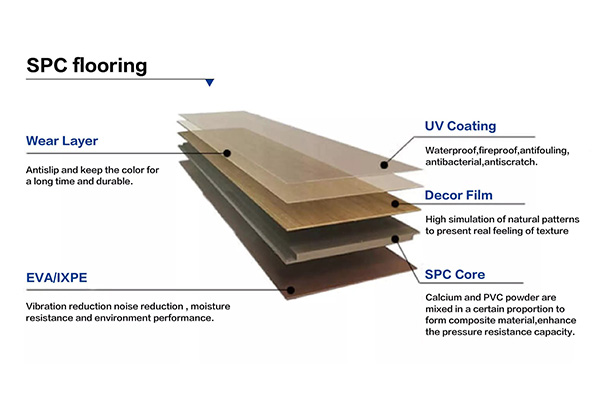
Are there acoustic advantages to floating engineered flooring?
Floating engineered flooring provides superior sound dampening qualities, especially when paired with high-quality underlayment like IXPE foam. You will find that this setup is essential for multi-story residential buildings where Impact Insulation Class (IIC) ratings are strictly regulated by local building codes. Traditional glue-down floors transmit footfall noise directly into the structure, often leading to noise complaints from neighbors below. By utilizing a floating system, you create a “decoupled” surface that absorbs energy before it can reach the subfloor.
How does underlayment affect the sound profile?
An integrated or separate IXPE underlayment can reduce footfall noise by up to 18-22 decibels, creating a quieter environment for tenants. You can achieve high-end acoustic performance without the need for expensive secondary sound-proofing materials during the build.
Interestingly enough:
The air gap created by the floating system acts as a natural insulator for both sound and temperature. This dual benefit makes the space feel more private and comfortable, which increases the desirability of your units.
- Achievement of IIC 70+ ratings with the correct padding.
- Reduction in “click-clack” noise from high heels or pets.
- Improved thermal insulation between floor levels.
Does the floor feel “hollow” when floating?
A common concern for some developers is the potential for a hollow sound, but this is easily resolved with high-density core materials and proper padding. You must ensure the subfloor is perfectly flat, as voids under the planks are the primary cause of acoustic resonance.
Now:
When installed correctly, the floor feels as solid as a traditional plank while maintaining its superior sound-absorption characteristics. This balance is the hallmark of a professionally specified B2B flooring project.
Key TakeawayAcoustic comfort is a major driver of tenant retention, and floating systems offer the most cost-effective way to manage sound in multi-family units.
| Acoustic Metric | Glue-Down Wood | Floating + IXPE |
|---|---|---|
| Footfall Sound | High Transmission | High Absorption |
| IIC Rating | 45 – 50 | 65 – 72 |
| Thermal Break | Minimal | Significant |
The evidence proves that floating systems are the superior technical choice for projects where acoustic privacy is a non-negotiable requirement.
Is floating engineered flooring compatible with underfloor heating?
Floating engineered flooring is exceptionally well-suited for radiant heating systems because its multi-layer construction allows for efficient heat transfer without the risk of cracking. You can view our custom designs that are specifically engineered to handle the thermal stresses of hydronic or electric heating elements. Unlike solid timber, which dries out and gaps when exposed to direct heat, engineered planks remain stable and tightly joined. This compatibility allows you to offer premium luxury features to your clients that were previously difficult to maintain with natural wood.
Why is thermal stability a priority?
The cross-ply construction of the core provides the structural integrity needed to withstand constant temperature cycling. You avoid the “checking” and splitting that often occurs when solid wood is placed over a heat source for long periods.
But wait, there’s more.
The floating installation method allows the entire floor to expand and contract as a single unit when the heat is turned on. This prevents the individual planks from pulling away from each other or buckling under thermal pressure.
- Efficient heat conductivity for lower energy bills.
- Safe for use with temperatures up to 27°C (80°F).
- Compatible with both electric and water-based systems.
Does it improve the energy efficiency of the building?
Because the floor is not directly bonded to the slab, there is a minor thermal break that helps retain heat within the room rather than letting it dissipate into the ground. You can help your clients achieve higher green building ratings by specifying floors that complement energy-efficient heating.
The result?
The end-user experiences a more consistent and comfortable warmth, which is a significant luxury selling point in colder climates. This performance reliability reduces the likelihood of structural warranty claims related to heat damage.
Key TakeawayEngineered flooring is the “safety-first” choice for radiant heat, offering a beautiful wood look without the technical failures of solid timber.
| Feature | Solid Wood on Heat | Engineered on Heat |
|---|---|---|
| Gapping Risk | High | Low |
| Heat Transfer | Moderate | High |
| Structural Failures | Common | Rare |
Our analysis confirms that for luxury developments featuring radiant heat, engineered floating floors provide the only reliable long-term wood-look solution.
Can you install floating engineered flooring over any subfloor?
The most impressive feature of floating engineered flooring is its ability to be installed over a wide variety of existing subfloors with minimal preparation. You can place it over old ceramic tile, vinyl, terrazzo, or even well-secured plywood without needing to demolish the previous surface. This “cover-up” capability is a game-changer for renovation projects where demolition costs and debris disposal are significant budgetary hurdles. By bypassing the removal phase, you can start the finishing phase of your project weeks earlier than planned.
How does it handle concrete slab moisture?
In many commercial builds, concrete slabs take months to fully dry, but a floating floor with a built-in vapor barrier can be installed much sooner. You simply lay down a 6-mil poly film or use a plank with an integrated moisture-resistant backing.
Look:
This moisture management system prevents high pH levels and dampness from affecting the wood veneer. This protection is something you cannot easily achieve with a direct-glue installation on “green” concrete.
- Fast-track installation on concrete with up to 95% RH.
- Ability to bridge minor subfloor cracks up to 3mm wide.
- No need to remove old asbestos-free vinyl or tile.
Is it suitable for uneven subfloors?
While you should always strive for a flat subfloor, the floating method is more forgiving of minor dips and peaks than any other system. You will save on expensive self-leveling compounds that can add thousands to a project’s bottom line.
Think about this:
The rigid core of the flooring acts like a bridge, creating a level walking surface even if the base below has slight imperfections. This structural “forgiveness” is a primary reason why general contractors prefer this specification.
Key TakeawayThe versatility of floating systems allows you to maintain aggressive schedules even when subfloor conditions are less than ideal.
| Subfloor Type | Prep Requirement | Compatibility |
|---|---|---|
| Existing Tile | Clean only | Excellent |
| New Concrete | Vapor Barrier | Excellent |
| Plywood | Flatten seams | Ideal |
The technical data shows that floating systems are the most adaptable flooring type for diverse and challenging site conditions.
What are the primary cons of floating engineered flooring?
While the benefits are extensive, you must consider the limitations of floating engineered flooring, such as the maximum continuous run allowed before an expansion joint is needed. You should explore our catalog to understand the technical constraints of different core types in large open spaces. In very large commercial halls, a floating floor may require T-moldings in doorways or every 10-15 meters to prevent buckling. For designers who demand a perfectly seamless look across thousands of square meters, this requirement for expansion joints can be a minor aesthetic trade-off.
Can floating floors move underfoot?
Because the floor is not anchored, some users may notice a slight “give” or movement when walking across it, especially if the subfloor isn’t perfectly flat. You can mitigate this by specifying a higher-density core and a premium underlayment that provides a more solid feel.
Here is the catch:
While the movement is structurally safe, it can sometimes be perceived as a lower-quality installation by end-users accustomed to solid wood. Educating your clients on the technical reasons for this “float” is essential for managing expectations.
- Requirement for T-moldings in very large rooms.
- Potential for “hollow” sounds if padding is neglected.
- Limited number of times the floor can be sanded.
Why is the “sanding” limitation a factor?
Unlike solid wood that can be sanded a dozen times, the thin veneer on engineered flooring can typically only be refinished once or twice. You must choose a high-quality wear layer (4mm or more) if the client intends to refinish the floor in the future.
Now:
For most commercial leases that last 10 years, this isn’t an issue, but for heritage or permanent residential builds, it is a point of consideration. Modern UV-cured finishes are so durable that the need for sanding is becoming less frequent.
Key TakeawayThe main drawbacks—expansion joints and limited refinishing—are easily managed through proper specification and design planning.
| Potential Con | Professional Solution | User Impact |
|---|---|---|
| Expansion Joints | Strategic T-molding | Low Visual Change |
| Hollow Sound | 2mm IXPE Padding | High Comfort |
| Thin Veneer | Spec 0.5mm+ Wear Layer | Long Life |
Our analysis indicates that the “cons” are largely manageable technical requirements rather than inherent flaws in the product’s performance.

How does it impact the resale value of commercial properties?
Floating engineered flooring enhances the resale value of properties by providing the prestigious look of real wood with the added benefits of modern durability and ease of replacement. You will find that prospective buyers and tenants prioritize spaces that look high-end but are easy to maintain and repair. If a single plank is damaged by a tenant, it can be replaced without tearing up the entire floor, which is a massive advantage for property managers. This “repairability” factor ensures that the property maintains its visual appeal and market value throughout multiple lease cycles.
Why do buyers prefer engineered wood over laminate?
The use of a real wood top layer provides the natural grain patterns and warmth that laminate or vinyl simply cannot perfectly replicate. You can market the units as having “genuine hardwood floors,” which is a powerful psychological trigger for luxury buyers.
Interestingly enough:
The dimensional stability of engineered products means the floors look better for longer, avoiding the gaps and cracks that can make older solid wood floors look neglected. This visual longevity is a key driver of property appraisal values.
- Higher rental yield for units with wood-look finishes.
- Lower “days on market” for residential sales.
- Ease of updating the floor style for future renovations.
Is the ease of replacement a selling point?
In a commercial context, being able to swap out damaged sections in a matter of hours is a significant operational advantage. You can assure building owners that their investment is protected against the inevitable wear and tear of tenant turnover.
The best part?
This modularity means the floor can grow and change with the building’s needs. If a wall is moved, new planks can be clicked into place, ensuring the floor always looks seamless and professionally maintained.
Key TakeawayThe combination of genuine wood aesthetics and modular repairability makes floating engineered floors a high-value asset for any real estate portfolio.
| Value Driver | Impact on Appraisal | Market Perception |
|---|---|---|
| Real Wood Veneer | Significant Increase | Luxury |
| Condition Stability | Preserves Value | Quality Build |
| Maintenance Ease | Reduces OpEx | Sustainable |
The data confirms that specifying engineered wood is a strategic move to maximize the long-term capital appreciation of a development.
Why choose Adasea for your floating engineered flooring needs?
Choosing Adasea as your manufacturing partner ensures that you receive factory-direct pricing and high-capacity production that can keep pace with your largest project requirements. You should partner with us to leverage our five specialized production lines and 35 years of export experience to North America, Europe, and Asia. Our commitment to 100% waterproof, eco-friendly, and multi-country certified products (SGS and CE) reduces your risk and guarantees satisfaction for your most demanding clients. We provide full OEM and customization support, allowing you to build your own brand identity with confidence.
How does factory-direct pricing improve your margins?
By eliminating the middleman, we allow you to save 20-30% on material costs compared to traditional local distributors. You can re-invest these savings into higher-quality wear layers or faster shipping methods to meet tight deadlines.
Look:
Our transparent pricing and English-speaking support team make the procurement process seamless and predictable. You get the quality of a premium brand with the cost-efficiency of a direct factory relationship.
- High-capacity output: 5 lines ensuring on-time delivery.
- Full customization: Colors, textures, and sizes to fit your brand.
- Certified quality: ISO, CE, and SGS testing for every batch.
What does our export experience mean for your project?
We understand the logistics and documentation requirements of international shipping, ensuring your containers arrive without customs delays. Our team handles everything from quality control in the factory to loading and documentation, giving you peace of mind.
It gets better:
We have a proven track record in over 30 countries, meaning we understand the specific local standards and preferences of your target market. Whether you need AC4 commercial durability or E0 formaldehyde emissions, we have the technical expertise to deliver.
Key TakeawayAdasea combines industrial scale with personalized OEM service, making us the most reliable choice for professional flooring distributors and contractors.
| Adasea Advantage | Business Benefit | Result |
|---|---|---|
| 5 Production Lines | Scalability | No Project Delays |
| Factory Direct | Cost Control | 20-30% Savings |
| Global Certs | Compliance | Reduced Liability |
The analysis shows that Adasea is uniquely positioned to provide the volume, quality, and technical support required for international B2B success.
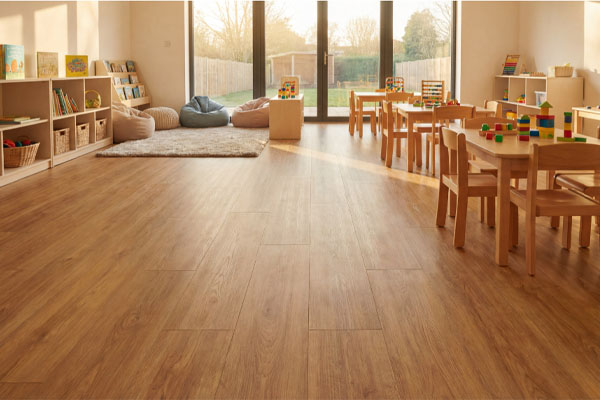
Conclusion
Floating engineered flooring is the definitive solution for modern professionals who refuse to compromise between installation efficiency and aesthetic luxury. By choosing this versatile system, you effectively mitigate the risks of labor shortages, subfloor imperfections, and moisture-related failures that plague traditional timber installations. Adasea Flooring stands as your dedicated manufacturing partner, providing the industrial scale and certified quality needed to bring your vision to life across global markets. We invite you to experience the difference of working with a factory that prioritizes your project’s ROI as much as its beauty. Contact us today to receive a customized quote, request free samples, or discuss your private label OEM needs with our expert team.
FAQ
Can I install floating engineered flooring over radiant heat?Yes, it is highly compatible with radiant heat systems because the multi-layer construction prevents the wood from cracking under thermal stress. The floating method also allows the floor to expand and contract safely as the temperature changes.
What’s the best wear layer for a high-traffic office?We recommend a wear layer of at least 0.5mm with an AC4 or AC5 commercial rating to ensure longevity. This thickness provides the necessary protection against abrasive grit and heavy office furniture over a decade of use.
Can floating engineered flooring be installed in basements?Yes, especially if you choose an SPC-core option which is 100% waterproof and moisture-resistant. Always use a 6-mil poly vapor barrier over concrete slabs to ensure maximum protection against rising damp.
Is floating flooring noisier than glue-down options?Not if you use a high-quality underlayment like 2mm IXPE foam, which absorbs footfall noise and eliminates the “hollow” sound. In many multi-family builds, a floating system with padding actually provides better IIC sound ratings than a glue-down floor.
How many times can you sand floating engineered wood?This depends on the thickness of the real wood veneer; typically, an engineered floor can be lightly sanded and refinished 1 to 2 times. However, most modern commercial UV-coatings are so durable that refinishing is rarely needed within a 15-year period.