
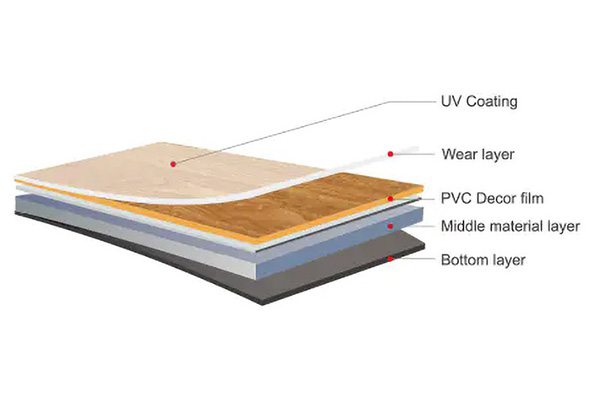
Sustainability certifications for LVT flooring represent a range of safety benchmarks, moving from basic indoor air quality standards like FloorScore to the rigorous health protections of Greenguard Gold. Imagine you are finalizing a major healthcare project and need absolute certainty about chemical safety. Relying on unverified marketing claims can lead to toxic off-gassing and potential legal liabilities that threaten your reputation. Conducting a professional LVT Factory Audit solves this by providing physical proof that a facility actually meets the sustainability criteria it advertises.
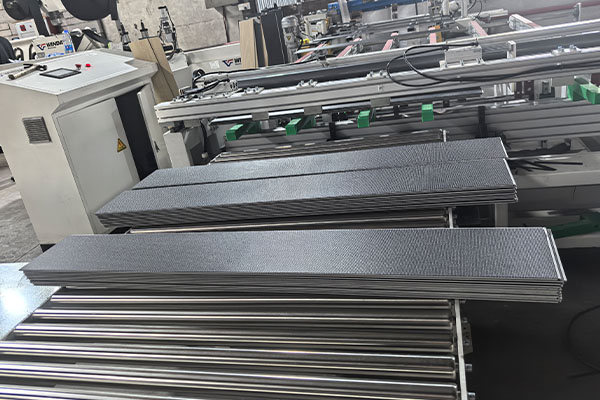
Why is an LVT Factory Audit essential for sustainability?
An LVT Factory Audit is essential because it validates the entire lifecycle of the product, from raw material sourcing to final emissions. This process ensures that “eco-friendly” labels are backed by transparent manufacturing practices and ethical supply chains.
How does it ensure environmental transparency?
The audit tracks materials to their source to prevent the use of illegal or high-impact chemicals. You can verify whether a factory truly prioritizes carbon reduction during its extrusion phase.
Think about this:
- Sourcing records are physically cross-checked.
- Energy consumption logs are reviewed onsite.
- Waste recycling protocols are observed in real-time.
Key Takeaway: Auditing provides the only tangible link between a sustainability certificate and the actual product being shipped.
| Sustainability Metric | Audit Verification Method | Value for Your Project | |
|---|---|---|---|
| Material Origin | Bill of lading review | Proven non-toxic sources | |
| Carbon Footprint | Energy utility analysis | Lower environmental impact | |
| Waste Management | Scrap recycling observation | Circular economy compliance |
The following table highlights how physical verification outperforms standard paper reviews for green projects.
How does an LVT Factory Audit verify FloorScore standards?
An LVT Factory Audit verifies FloorScore standards by checking air chamber test results against the factory’s actual production batch numbers. This ensures that the specific floor you purchase was actually tested for volatile organic compounds (VOCs).
Is the testing equipment properly calibrated?
Auditors inspect the laboratory’s calibration logs to ensure that sensors are accurately measuring microscopic emissions. If the factory’s internal lab is off by even a fraction, your safety rating becomes meaningless.
Here is the kicker:
- Maintenance schedules are reviewed for consistency.
- Test frequency is checked against production volume.
- Laboratory staff are interviewed about testing protocols.
Key Takeaway: FloorScore compliance requires consistent testing frequency that only a physical audit can confirm.
| FloorScore Requirement | Audit Focus Point | Reliability Impact | |
|---|---|---|---|
| VOC Emission Limits | Air chamber data logs | High indoor air quality | |
| Calibration Frequency | Maintenance records | Accuracy of safety data | |
| Batch Traceability | Certificate matching | Order-specific compliance |
This guide demonstrates that equipment precision is the backbone of reliable FloorScore certification.
What role does an LVT Factory Audit play in Greenguard Gold?
The LVT Factory Audit identifies whether a manufacturer can meet the much stricter chemical thresholds required for sensitive environments like schools or hospitals. Greenguard Gold certification requires a level of purity that necessitates zero cross-contamination on the production line.
How are sensitive environments protected?
Auditors look for dedicated mixing areas and storage for high-purity additives that prevent the accidental introduction of toxins. This level of scrutiny ensures that the flooring is safe for the most vulnerable populations.
But that’s not all:
- Chemical inventories are screened for over 360 VOCs.
- Total VOC (TVOC) levels are monitored in real-time.
- Handling procedures for raw polymers are strictly reviewed.
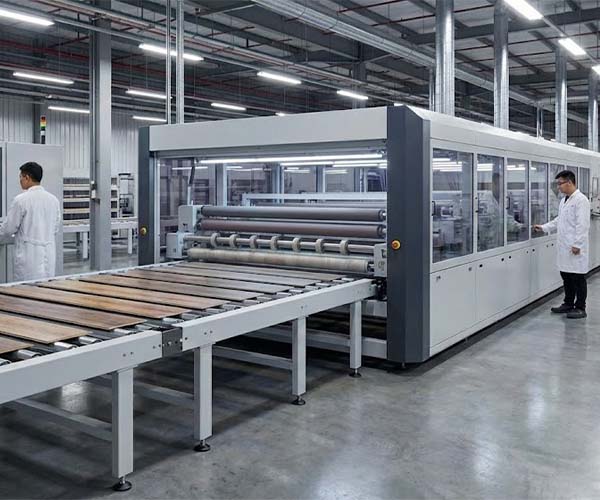
Key Takeaway: Greenguard Gold isn’t just a label; it’s a commitment to chemical purity that auditors verify through environmental monitoring.
| Certification Level | Emission Limit | Best Application | |
|---|---|---|---|
| Standard | Baseline safety | Residential use | |
| Greenguard Gold | Ultra-low emissions | Schools and Healthcare | |
| Verification | Physical Audit | Total Quality Assurance |
Understanding these differences helps you specify the correct flooring for sensitive public infrastructure.
Can an LVT Factory Audit confirm phthalate-free production?
An LVT Factory Audit confirms phthalate-free production by examining the chemical makeup of the plasticizers used during the mixing stage. This is the only way to ensure that no recycled scrap containing restricted ortho-phthalates has entered the supply stream.
Are the raw materials truly pure?
The auditor inspects the warehouse to verify that only virgin resins and bio-based plasticizers are utilized. Using 100% virgin material is a prerequisite for safety in high-quality SPC flooring and luxury vinyl.
Why does this matter?
- Incoming raw material logs are compared to safety sheets.
- Supplier certificates are verified for authenticity.
- Production batch records confirm exact formula ratios.
Key Takeaway: A phthalate-free claim is only as good as the raw material purity verified during a physical factory walkthrough.
| Chemical Control | Verification Method | Safety Outcome | |
|---|---|---|---|
| Plasticizer Type | Formula batch review | Non-toxic flexibility | |
| Recycled Content | Scrap usage audit | 100% Phthalate-free | |
| Surface Purity | Random sample testing | Safe skin contact |
This analysis shows how raw material scrutiny prevents toxic additives from reaching the final product.
How do LVT Factory Audit protocols check for formaldehyde?
Auditors check for formaldehyde during an LVT Factory Audit by reviewing the certificates of analysis for all film layers and adhesive components. They also perform onsite air quality checks near the hot-pressing machines to detect any chemical off-gassing.
Is there an emission risk during production?
Production heat can release hidden gases if the factory uses low-grade resins or recycled core materials. Professional auditors use portable sensors to ensure that the factory environment remains safe for workers and future occupants.
You might be wondering:
- Real-time air sensors are used during extrusion.
- Layer-by-layer material tests are scrutinized.
- Production temperatures are checked against safety limits.
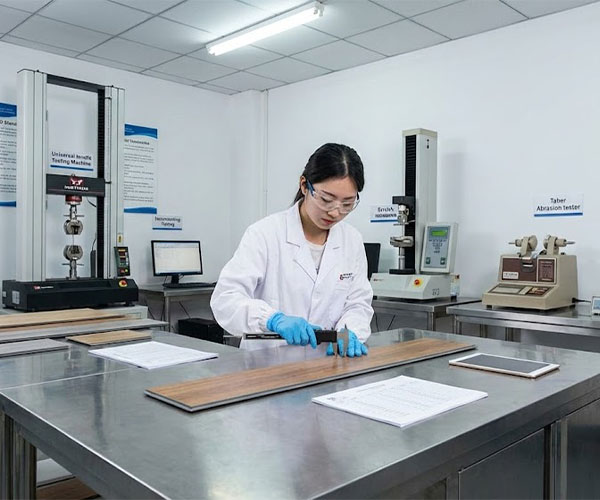
Key Takeaway: Monitoring formaldehyde at the source ensures the final product won’t off-gas once installed in your client’s space.
| Formaldehyde Check | Audit Action | Performance Result | |
|---|---|---|---|
| Adhesive Source | Chemical MSDS review | Zero carcinogenic risk | |
| Ambient Air Test | Onsite sensor check | Safe production zone | |
| Core Material | Purity verification | Long-term air safety |
The data suggests that onsite air monitoring is the most reliable predictor of long-term formaldehyde safety.
Why should an LVT Factory Audit assess ISO 14001 compliance?
An LVT Factory Audit assesses ISO 14001 compliance to ensure the facility follows a structured environmental management system. This reduces the risk of legal non-compliance and environmental accidents that could disrupt your supply chain.
Is the factory managing its waste effectively?
The auditor reviews the facility’s waste disposal and water treatment systems to ensure no pollutants are discharged into the local environment. Learning about the manufacturer’s About us values can provide context for these sustainability efforts.
Here is the truth:
- Wastewater treatment logs are inspected.
- Production scrap recycling is physically observed.
- Environmental impact targets are reviewed for progress.
Key Takeaway: ISO 14001 auditing transforms a general “green” commitment into a measurable, risk-managed operational reality.
| ISO Component | Audit Checkpoint | Supply Chain Benefit | |
|---|---|---|---|
| Waste Systems | Recycling log review | Reduced landfill impact | |
| Risk Management | Spill response drills | Stable, reliable supply | |
| Resource Use | Water/Power logs | Lower carbon footprint |
This table outlines how structured environmental management leads to a more sustainable and reliable manufacturing partner.
Does an LVT Factory Audit evaluate LEED credit eligibility?
Yes, an LVT Factory Audit evaluates LEED credit eligibility by documenting the exact recycled content and the geographic origin of raw materials. This data is critical for architects who need to prove that their flooring choices contribute to green building certifications.
How are material percentages verified?
The auditor performs a “mass balance” check, comparing the amount of recycled material purchased to the volume of finished product produced. This ensures that the percentage of post-consumer waste advertised is actually present in the floor.
Best of all:
- Detailed reports are provided for LEED v4.1 credits.
- Regional sourcing distances are documented for transport points.
- Low-VOC documentation is compiled for EQ credits.
Key Takeaway: Audited data provides the bulletproof evidence needed to secure high-value LEED credits for complex commercial projects.
| LEED Credit Area | Audit Documentation | Point Potential | |
|---|---|---|---|
| Recycled Content | Mass balance reports | Material & Resources | |
| VOC Emissions | Laboratory verification | Indoor Environmental Quality | |
| Sourcing | Geographic origin maps | Regional Priority |
Accurate documentation of material percentages is essential for maximizing LEED point scores in sustainable design.
How can an LVT Factory Audit identify heavy metal risks?
An LVT Factory Audit identifies heavy metal risks by scrutinizing the stabilizers and pigments used in the vinyl core and print layers. Modern audits specifically target lead, cadmium, and mercury to ensure the flooring meets toy-safety standards for residential and school use.
Are the stabilizers safe for the core?
Auditors verify the switch from lead-based stabilizers to calcium-zinc alternatives by checking the factory’s purchasing records and chemical formulas. You can explore our Loose-lay flooring options which adhere to these strict heavy-metal-free protocols.
Think about this:
- Stabilizer chemical names are checked in batch logs.
- Pigment MSDS sheets are screened for heavy metals.
- Random samples are taken for third-party lab testing.
Key Takeaway: Heavy metal safety is non-negotiable, and auditing the chemical inventory is the only way to guarantee a lead-free core.
| Metal Screened | Source Scrutiny | Safety standard | |
|---|---|---|---|
| Lead | Stabilizer check | Consumer safety | |
| Cadmium | Pigment review | European compliance | |
| Mercury | Additive logs | Global toxic control |
This analysis clarifies why chemical inventory checks are the first line of defense against heavy metal contamination.
What documentation is reviewed during an LVT Factory Audit?
An LVT Factory Audit involves a deep dive into third-party test reports, material safety data sheets (MSDS), and production batch records. These documents provide the audit trail needed to prove that the products being manufactured today match the certified samples from the past.
Are the test reports authentic?
Auditors verify the laboratory’s accreditation and ensure that the test dates are current and applicable to the specific product line. It is always wise to Contact your supplier to request these original reports before finalizing an order.
But that’s not all:
- Raw material COAs (Certificates of Analysis) are matched to batches.
- Internal QC logs are checked for testing frequency.
- Third-party certifications are verified with the issuing body.

Key Takeaway: Documentation is the foundation of trust, but the audit ensures that the paperwork reflects actual factory floor reality.
| Document Type | Audit Verification | Trust Level | |
|---|---|---|---|
| Third-party Reports | Original laboratory check | High | |
| MSDS Sheets | Formulation matching | Guaranteed | |
| QC Logs | Daily testing frequency | Reliable |
This structured documentation review bridges the gap between marketing promises and manufacturing performance.
How to prepare for a sustainability-focused LVT Factory Audit?
To prepare for an LVT Factory Audit , a facility must organize its chemical inventory, calibration logs, and waste management records for immediate inspection. Success requires a commitment from both management and floor staff to maintain these standards throughout the daily production cycle.
Is the staff properly trained on safety?
Auditors will interview the production team to ensure they understand the importance of material purity and VOC controls. A clean, organized factory floor is often the first indicator of a high-quality manufacturing operation.
Here is the kicker:
- Preparation begins with a pre-audit internal review.
- Records should be digitized and easily searchable.
- Standard operating procedures must be visibly posted.
Key Takeaway: Preparation is not about hiding flaws; it’s about demonstrating a robust system that naturally produces sustainable results.
| Preparation Step | Required Action | Outcome | |
|---|---|---|---|
| Record Prep | Digitize chemical logs | Faster inspection | |
| Staff Briefing | Protocol training | Consistent quality | |
| Cleanliness | Facility organization | Reduced contamination |
The guide shows that a well-prepared factory is more likely to pass rigorous international sustainability inspections.
Auditing your supply chain is the ultimate step in securing a sustainable project. By choosing to physically verify certifications through a comprehensive LVT Factory Audit, you protect your project from toxic risks and ensure long-term environmental performance. We are committed to transparency and world-class quality in every plank we produce. To learn more about our certified manufacturing processes or to request an audit of our facilities, contact us today to start your sustainable flooring journey.
Frequently Asked Questions
Can I request a custom audit for my specific project requirements?Yes, you can. We allow third-party inspectors to enter our facilities to verify that your specific production run meets your project’s unique sustainability and safety benchmarks.
What’s the best way to distinguish between real and fake certifications?The best way is to verify the certificate number directly on the official website of the issuing body, such as FloorScore or Greenguard. A factory audit then confirms that the factory actually follows the protocols required by those certificates.
How do I know if the factory is using toxic recycled materials?You can check the raw material storage area during an audit to see if there are bags of unidentified “regrind” or scrap plastic. Legitimate sustainable production focuses on virgin materials or certified post-consumer sources with a clear paper trail.
Can I get LEED points without a factory audit report?While possible, it is much harder. An audit provides the specific material percentages and sourcing documentation that LEED reviewers require, making your application process significantly smoother and more likely to succeed.
What happens if a factory fails one part of the sustainability audit?If a failure occurs, the manufacturer must implement a corrective action plan to address the non-compliance. A follow-up inspection is then conducted to verify that the issue has been resolved and the product is safe for shipment.