
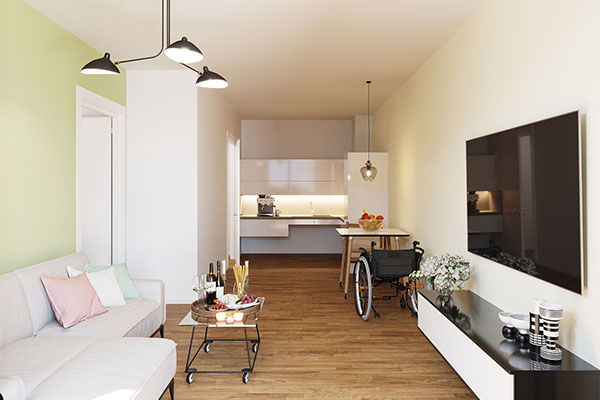
The transition toward Neutral Oaks and Greystone LVT represents a sophisticated pivot in interior surface design, moving away from high-contrast palettes toward organic, versatile tones. Architects and developers often find that traditional flooring materials age quickly or lack the durability required for high-traffic environments, leading to costly premature renovations. This inconsistency in aesthetic longevity can damage a project’s long-term ROI and tenant satisfaction. By integrating the resilient performance of Luxury Vinyl Tile with the timeless appeal of neutral wood and stone textures, you can ensure a professional finish that remains relevant and durable well into the next decade.
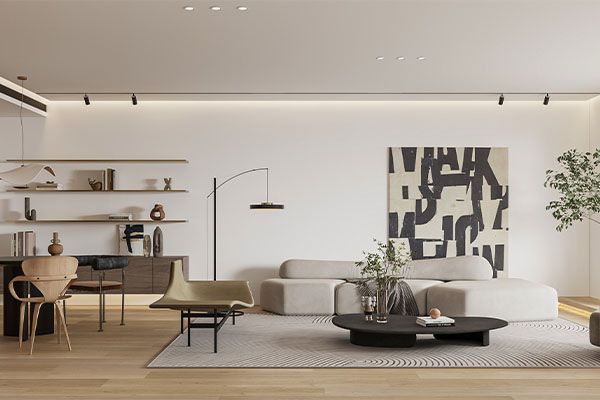
Why are Neutral Oaks and Greystone LVT dominating 2026 forecasts?
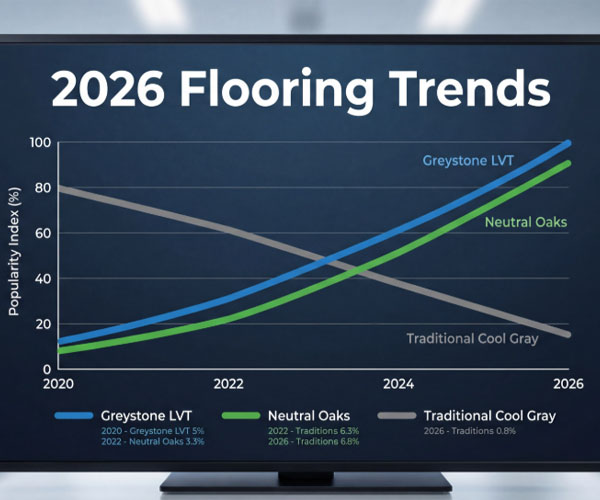
Neutral Oaks and Greystone LVT are leading the 2026 forecasts because they satisfy the evolving demand for “Quiet Luxury” and biophilic design. The industry is witnessing a significant shift from the cold “Cool Grays” of the past decade toward warmer, earthier “Greige” tones. Greystone LVT perfectly captures this middle ground, offering a sophisticated canvas that complements various architectural styles.
How does “Quiet Luxury” influence flooring specs?
Why does this matter? Specification pros are prioritizing materials that look high-end without being ostentatious. This movement focuses on:
- Subdued, matte finishes that minimize surface glare.
- Intricate, non-repeating wood and stone patterns.
- Sophisticated neutral palettes that support long-term design flexibility.
What is the psychological impact of biophilic tones?
Here’s the deal: natural-looking floors reduce stress in professional environments. By mimicking the organic textures of oak and stone, you create a space that feels grounded and calm. This biophilic connection is essential for 2026 projects aiming for wellness certifications and high employee retention.
| Trend Element | 2024 Popularity | 2026 Forecast | |
|---|---|---|---|
| Cool Gray Tones | High (65%) | Low (15%) | |
| Neutral Oaks | Emerging (25%) | Dominant (50%) | |
| Greystone Textures | Moderate (10%) | High (35%) |
Analysis: The data indicates a clear migration toward warmer, stone-infused neutrals that offer more versatility than traditional monochromatic grays.
Key Takeaway: The move toward organic, versatile palettes ensures that 2026 designs remain timeless while fostering a sense of psychological well-being.
What makes the Greystone LVT aesthetic the premier choice?
The unique balance of stone textures and wood grains allows Greystone LVT to bridge the gap between industrial and organic design. It provides a visual depth that traditional materials often lack, especially when applied across large-scale open floor plans. By utilizing advanced imaging technology, this flooring achieves a hyper-realistic look that satisfies even the most demanding aesthetic standards.
Why is visual depth critical for large floor plans?
Large spaces can often feel sterile or hollow if the flooring lacks character. Here’s why visual depth is vital:
- It breaks up the monotony of expansive lobbies and hallways.
- It hides daily wear and minor debris more effectively than flat colors.
- It creates a sense of luxury through multi-tonal layering.
How does it integrate with industrial styles?
Mixing raw materials is a hallmark of modern design. Greystone tones serve as the perfect foundation for:
- Exposed concrete walls and steel fixings.
- Minimalism with warm wood accents.
- Mid-century modern furniture pieces.
| Style Compatibility | Compatibility Score | Primary Benefit | |
|---|---|---|---|
| Industrial | 10/10 | Complements raw metal and concrete | |
| Minimalist | 9/10 | Adds texture without clutter | |
| Scandi-Natural | 8/10 | Bridges wood grains with stone |
Analysis: Greystone’s neutral profile makes it a “chameleon” product, capable of anchoring almost any modern architectural vision.
Key Takeaway: Professionals should emphasize the aesthetic versatility of Greystone tones to future-proof their designs against changing furniture and decor trends.
How does Greystone LVT outperform traditional flooring materials?
Greystone LVT outperforms traditional materials by offering superior dimensional stability and moisture resistance without sacrificing the premium look of natural oak. While hardwood can warp and natural stone can crack under stress, the engineered core of high-performance Luxury Vinyl Tile remains intact. This technical edge is supported by advanced UV-cured coatings that prevent the color fading common in sunlight-exposed areas.
Can LVT provide better stability than hardwood?
In high-humidity or temperature-variable environments, hardwood often fails. Why does this matter? LVT is engineered to:
- Resist expansion and contraction in changing climates.
- Provide a 100% waterproof surface for spill-prone areas.
- Maintain a consistent seam tight-lock over years of use.
What role do UV-cured coatings play?
Advanced coatings are the secret to color preservation. These layers protect the intricate “Neutral Oak” prints from:
- Solar bleaching in window-front retail spaces.
- Micro-scratches from heavy foot traffic.
- Chemical staining from industrial cleaning agents.
| Feature | Greystone LVT | Engineered Wood | Natural Stone | |
|---|---|---|---|---|
| Waterproof | Yes (100%) | No | Semi-porous | |
| Scratch Resistance | High | Moderate | Low | |
| Installation Effort | Low | Moderate | High |
Analysis: When comparing structural integrity and lifecycle maintenance, LVT offers a significantly more resilient profile for commercial use.
Key Takeaway: The technical superiority and stability of LVT make it the logical choice for developers prioritizing long-term asset protection.
Why is this color trend effective in all settings?
The versatility of Neutral Oaks and Greystone LVT makes them ideal for the “Resimercial” design movement, which blends residential comfort with commercial durability. These secondary tones are equally at home in a boutique hotel lobby as they are in a high-end multi-family living room. This cross-sector appeal allows developers to maintain a cohesive brand aesthetic across diverse property portfolios.
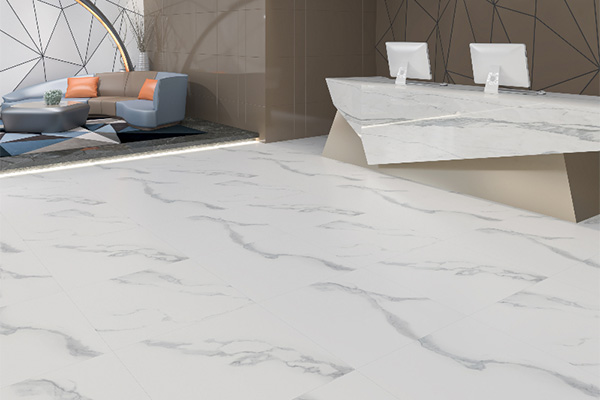
How does it enhance hospitality design?
Hospitality spaces require a “home away from home” feel. Here’s the deal:
- Neutral Oaks provide the warmth guests crave in guestrooms.
- Greystone textures offer the “wow factor” required for lobbies.
- The combination supports easy cleaning between guest turnovers.
Why does it maximize tenant appeal?
In multi-family developments, the floor is the first thing a potential renter notices.
- It provides a neutral base for any furniture style.
- It signals a “premium” build quality through tactile texture.
- It promises a low-maintenance lifestyle for busy urban tenants.
| Sector | Recommended Finish | Traffic Rating | |
|---|---|---|---|
| Hospitality | Matte Neutral Oak | Class 33 (Heavy Commercial) | |
| Retail | Greystone Texture | Class 34 (Very Heavy) | |
| Residential | Embossed-in-Register | Class 32 (General Commercial) |
Analysis: Matching the specific finish to the traffic rating ensures the color trend remains vibrant throughout the floor’s lifespan.
Key Takeaway: Decision-makers should leverage the cross-sector appeal of these colorways to streamline procurement across various project types.
How does the durability of Greystone LVT impact ROI?
The durability of Greystone LVT directly correlates to higher financial returns by extending the replacement cycle of the property’s flooring. Unlike natural stone, which may require expensive professional sealing or repair of hairline fractures, LVT is virtually “install and forget.” For stakeholders, this means lower operational expenditures and fewer disruptions for repairs in revenue-generating spaces.
What are the lifecycle costs?
Why does this matter? Initial procurement is only part of the equation.
- LVT typically lasts 15-25 years in commercial settings.
- Replacement costs are lower due to easy-click or glue-down systems.
- Repairing a single damaged plank is faster than replacing a stone slab.
How does wear layer thickness affect longevity?
The wear layer is the final line of defense.
- 0.3mm: Perfect for residential/light traffic.
- 0.5mm: The standard for commercial offices and retail.
- 0.7mm: Designed for high-volume public spaces like airports.
| Material | Est. Life (Years) | Cost-per-Year (Relative) | |
|---|---|---|---|
| Greystone LVT | 20+ | Low | |
| Natural Stone | 30+ | High (Maintenance) | |
| Carpet Tiles | 5-7 | Moderate |
Analysis: LVT offers the best balance of longevity and low annual maintenance costs, maximizing the internal rate of return (IRR) for developments.
Key Takeaway: Linking floor durability directly to financial returns is the most effective way to justify premium LVT specifications to stakeholders.
What are the most efficient maintenance strategies?
Maintaining the luster of Greystone LVT is significantly less labor-intensive than wood or stone, reducing total operational overhead. Modern finishes often incorporate “No-Wax” technology, meaning the floor never needs to be stripped or buffed to look new. For facility managers, this simplicity translates to lower staff training requirements and reduced chemical consumption.
How do anti-microbial surfaces help?
In a post-pandemic world, health and safety standards for 2026 are stricter than ever.
- Integrated silver-ion technology inhibits bacterial growth.
- Non-porous surfaces prevent the accumulation of mold and allergens.
- Easy-clean properties allow for frequent sanitization without damage.
What are the best practices for Neutral Oak?
To keep oak patterns looking vibrant, follow these steps:
- Use microfiber mops instead of heavy steam cleaners.
- Avoid oil-based soaps which can leave a dull film.
- Place walk-off mats at entrances to capture abrasive grit.
| Frequency | Task | Purpose | |
|---|---|---|---|
| Daily | Dust Mop/Vacuum | Remove abrasive dirt | |
| Weekly | Damp Mop (Neutral PH) | Remove surface stains | |
| Annual | Professional Deep Clean | Refresh anti-static coating |
Analysis: A streamlined maintenance schedule preserves the aesthetic integrity of the floor while keeping labor costs predictable.
Key Takeaway: The low-maintenance nature of these floors provides a massive operational advantage for large-scale facility managers.
Why is Greystone LVT the most cost-effective 2026 solution?
Choosing Greystone LVT allows you to balance high-end aesthetics with competitive procurement pricing, often saving 20-30% compared to traditional materials. Value engineering doesn’t have to mean sacrificing the “look”; it means selecting an engineered product that mimics luxury while reducing labor costs. Because LVT is lighter and easier to cut than stone, installation speeds are significantly increased, allowing projects to meet tight 2026 deadlines.
How does installation reduce labor costs?
Here’s the deal: traditional stone requiring mortar and grout is a slow, specialized process.
- LVT click systems can be installed by general flooring crews.
- No “curing time” means other trades can work on the floor immediately.
- Reduced waste during cutting saves on material overages.
What is the value engineering potential?
You can achieve the same “Neutral Oak” look across a whole building by varying the specifications:
- Use 0.7mm wear layers for the lobby.
- Use 0.5mm for the corridors.
- Use 0.3mm for the back-of-house offices.
| Material | Material Cost ($/sqm) | Labor Cost ($/sqm) | Total Impact | |
|---|---|---|---|---|
| Greystone LVT | $$ | $ | Highly Efficient | |
| Hardwood | $$$ | $$$ | High Investment | |
| Ceramic Tile | $$ | $$$ | Labor Intensive |
Analysis: The total installed cost of LVT remains the most competitive for developers looking to maximize every dollar of their budget.
Key Takeaway: Wholesale procurement of trend-aligned LVT provides a significant economic advantage for large-scale developments.
How does Greystone LVT compare directly to real wood and stone?
When evaluated on haptic experience and acoustic performance, Greystone LVT often provides a more comfortable environment than the “real” materials it replicates. Natural stone is cold and loud, while hardwood is susceptible to moisture and scratching. LVT combines the visual warmth of oak with a softened underfoot feel, often achieving higher sound absorption ratings (up to 18dB with IXPE backing).
Which material offers better insulation?
Why does this matter? Thermal and acoustic insulation are key to tenant comfort.
- LVT stays warmer to the touch than stone or ceramic.
- Pre-attached foam backings dampen the “click-clack” of footsteps.
- It reduces the need for expensive additional underlayments.
What about the environmental footprint?
Sustainability is a major 2026 priority.
- Many LVT products are now 100% recyclable.
- Phthalate-free formulas ensure better indoor air quality (IAQ).
- Long lifespans reduce the environmental cost of frequent replacement.
| Performance Metric | Greystone LVT | Real Oak | Real Stone | |
|---|---|---|---|---|
| Sound Dampening | Excellent | Moderate | Poor | |
| Cleanability | High | Low | Moderate | |
| Tactile Comfort | Warm/Soft | Warm/Hard | Cold/Hard |
Analysis: The haptic and acoustic benefits of LVT create a superior “user experience” in modern residential and office spaces.
Key Takeaway: Architects should contrast the “natural look” of these materials with their “industrial performance” to sell the value to clients.
What are the essential steps for a professional installation?
A successful Greystone LVT installation depends heavily on subfloor preparation and moisture testing. Even the most premium flooring will fail if it’s placed over an unlevel or damp slab. For 2026 new construction projects, time is often the enemy; however, skipping moisture checks can lead to adhesive failure or plank buckling later.
How to choose the right installation method?
Here’s the deal: each project has unique requirements.
- Click-Lock: Best for fast residential or temporary retail fit-outs.
- Glue-Down: Ideal for heavy-traffic commercial zones and rolling loads.
- Loose-Lay: The premier choice for raised access floors in modern offices.
Why is moisture testing critical?
Why does this matter? Concrete slabs release moisture for months.
- Relative Humidity (RH) testing ensures the slab is dry enough for LVT.
- Moisture barriers may be required in ground-floor applications.
- Testing prevents the growth of mold beneath the flooring surface.
| Subfloor Type | Recommended Method | Preparation Step | |
|---|---|---|---|
| Concrete | Glue-Down | RH Testing & Leveling | |
| Existing Tile | Click-Lock | Fill Grout Lines | |
| Plywood | Click/Glue | Sand Seams Flush |
Analysis: The longevity of the aesthetic trend is only as good as the foundation it is built upon.
Key Takeaway: Quality installation and rigorous subfloor prep are the ultimate keys to a project’s aesthetic and structural success.
Why is Adasea the leading manufacturer for Greystone LVT?
Adasea is the leading partner for Greystone LVT because we offer specialized B2B manufacturing that prioritizes color consistency across massive production runs. When you are flooring 10,000 square meters, you cannot afford batch variances that ruin the visual flow of a project. Our five-line facility ensures that every plank of “Neutral Oak” or “Greystone” meets the exact spectral requirements of your original specification.
How does Adasea ensure color consistency?
We use a high-precision digital control system throughout the printing process.
- Automated mixing ensures uniform resin and pigment density.
- Computer-controlled cutting guarantees perfect click-lock alignment.
- Rigorous 7-point quality inspections occur before any product leaves the factory.
Can Adasea support custom 2026 specs?
Through our OEM and private label services, we empower you to:
- Develop unique patterns that differentiate your project.
- Choose specific wear layers and backings (like IXPE) for performance.
- Access factory-direct pricing to eliminate middleman markups.
| Adasea Advantage | Impact on Your Project | |
|---|---|---|
| 5 Production Lines | Stable supply for large-scale orders | |
| 35+ Years Export | Proven logistics for North America/UAE | |
| SGS/CE Certified | Guaranteed compliance with safety codes |
Analysis: Strategic partnership with a manufacturer like Adasea reduces procurement risk and ensures the 2026 vision is delivered on time.
Key Takeaway: Adasea is the expert source for developers who need trend-aligned, high-performance flooring at a competitive scale.
Conclusion
The convergence of Neutral Oaks and Greystone LVT marks a definitive step toward more sophisticated, resilient, and grounded interior environments for 2026. By prioritizing these palettes, you are not just following a trend but investing in a design language that bridges aesthetic beauty with industrial-grade performance. As the global landscape of development becomes more competitive, the materials you choose must work harder to protect your investment and satisfy your tenants.
Adasea remains committed to pioneering the surface technologies that empower architects and developers worldwide. Contact us today to request samples from our 2026 Greystone Collection and see how our manufacturing excellence can elevate your next project.
FAQ
- Can I use Greystone LVT in wet areas like bathrooms or kitchens? Yes. Adasea’s Greystone LVT is 100% waterproof and specifically engineered to thrive in high-moisture environments.
- What’s the best way to match furniture with Neutral Oak flooring? Neutral Oaks work best with “tone-on-tone” palettes; look for furniture in cream, soft charcoal, or natural walnut to create a cohesive layered effect.
- How do I know if the wear layer is sufficient for my project? For commercial offices, a 0.5mm layer is standard, while heavy-traffic retail or lobbies should opt for 0.7mm to ensure maximum scratch resistance.
- How do I know if Greystone LVT is suitable for underfloor heating? Most modern LVT is compatible with underfloor heating, but you must ensure the surface temperature does not exceed 27°C (80°F) to maintain dimensional stability.
- Can I install Greystone LVT over existing tile floors? Yes, provided the existing tiles are flat and firmly bonded; you should fill deep grout lines with a leveling compound first to prevent “telegraphing.”