

Global PVC prices in 2026 are the primary driver behind LVT wholesale quotes, often representing more than 50% of the total manufacturing cost for vinyl flooring. If you are struggling with margin erosion caused by sudden resin price spikes, you are likely feeling the pressure of an increasingly volatile supply chain. This uncertainty can jeopardize long-term project bids and leave you vulnerable to competitors with better price visibility. By analyzing PVC Price Trends 2026 and sourcing through factory-direct models, you can stabilize your procurement costs and protect your bottom line.
How Do PVC Price Trends 2026 Influence LVT Wholesale Quotes?
PVC price fluctuations directly dictate LVT wholesale quotes because resin remains the single most expensive raw material in the production process. Understanding the PVC Price Trends 2026 is vital for any distributor looking to maintain a competitive edge. When resin prices rise by 5%, manufacturers are often forced to adjust their quotes almost immediately to sustain their operations.
Why is resin cost so critical to your bottom line?
Think about this:
- Resin is the foundational component of the core and wear layers.
- Global trade imbalances can trigger localized price bubbles.
- Feedstock costs like ethylene have a cascading effect on final pricing.
But that’s not all. The relationship between resin and LVT Flooring is highly sensitive to monthly market indices.
How does market sensitivity affect your bidding?
Here is the strategy:
- Establish project-based price locks to avoid sudden spikes.
- Monitor regional benchmarks to identify the best time for bulk orders.
- Diversify your product mix to include less resin-intensive options.
Key Takeaway: Distributors must integrate real-time resin market data into their bidding processes to ensure that wholesale price shifts do not erode their profit margins.
| Market Driver | Impact on Quote | Forecasted Trend |
|---|---|---|
| Resin Cost | High | Volatile |
| Energy Overhead | Medium | Rising |
| Supply Availability | High | Tightening |
The integration of material cost tracking into your procurement strategy is the most effective way to manage the financial risks associated with resin volatility.
Will Rising Crude Oil Costs Impact PVC Price Trends 2026?
Crude oil surges increase ethylene production costs, which creates a higher price floor for all vinyl-based products. Because ethylene is a primary feedstock for PVC, the 16.6% surge in Brent crude early in the year has sent shockwaves through the petrochemical sector. This creates a “cost-push” inflation environment where manufacturers must raise prices regardless of demand levels.
How does oil affect production overhead?
It gets worse:
- Naphtha derivatives become more expensive to refine into ethylene.
- Transportation fuel surcharges add an extra layer of cost to landed quotes.
- Utility overhead for heavy machinery rises as energy prices climb.
These factors combined mean that even a stable market can see sudden price revisions when energy benchmarks shift.
Why does ethylene volatility matter to you?
Here is why:
- Ethylene accounts for nearly half of the PVC resin composition.
- Rapid surges in oil prices usually reflect in flooring quotes within 45 days.
- Regional natural gas prices can sometimes offer a small buffer against oil.
Key Takeaway: Monitoring Brent crude benchmarks is essential for anticipating wholesale price adjustments, as energy costs are the leading indicator for resin price floors.
| Energy Indicator | Correlation | Expected Impact |
|---|---|---|
| Brent Crude | Strong Positive | Price Floor Increase |
| Ethylene Spot | Direct | Quote Revision |
| Natural Gas | Moderate | Regional Variation |
Proactive monitoring of petrochemical benchmarks allows you to anticipate manufacturer price hikes before they are officially announced to the general market.
How Does Regional Supply Volatility Shape PVC Price Trends 2026?
Regional price gaps, such as China’s competitive 1,420 per ton, are forcing distributors to rethink their global sourcing strategies. The PVC Price Trends 2026 show that the cost of SPC Flooring can vary significantly based on the point of origin. This disparity creates opportunities for those who can navigate international logistics effectively.
Why is Asian sourcing still more competitive?
But wait, there’s more:
- Chinese markets have a surplus of resin due to a cooling domestic real estate sector.
- Government stimulus is helping keep manufacturing lines moving at high capacity.
- Export-focused economies are prioritizing global trade to offset local demand drops.
This surplus allows Asian manufacturers to offer much more stable quotes compared to Western producers facing plant shutdowns.
What are the risks of regional dependence?
Consider this:
- Anti-dumping duties can quickly erase the price advantage of low-cost regions.
- Shipping disruptions in major trade lanes can add 20-30% to landed costs.
- Currency fluctuations can change the value proposition of a contract overnight.
Key Takeaway: Prioritizing sourcing from regions with a resin surplus, specifically Asia, provides a significant cost advantage of up to $300 per metric ton compared to Western markets.
| Region | PVC Price (Metric Ton) | Market Status |
|---|---|---|
| China | $1,110 | Surplus / Competitive |
| USA | $1,420 | Scarcity / Premium |
| India | $1,400 | Volatile / High Demand |
Strategic geographic diversification of your supply chain is the best defense against localized price bubbles and regional material shortages.
Are Plant Closures Reducing Stability in PVC Price Trends 2026?
Strategic plant closures by major global producers are turning the previous oversupply into a state of managed scarcity. These closures are designed to restore profit margins by reducing market liquidity and preventing prices from falling too low. As a result, you may notice that PVC Price Trends 2026 are characterized by higher price floors and longer lead times.
What happens when the supply chain tightens?
Here is the kicker:
- Buffer stocks at the factory level are being kept at historical lows.
- Urgent orders are increasingly difficult to fulfill without significant premiums.
- The “race to the bottom” in pricing has effectively ended for major resin brands.
This tightening means that the days of finding “bargain basement” resin are likely over for the foreseeable future.
Can you still find reliable lead times?
Think about it:
- Manufacturers with their own massive storage facilities are now more valuable.
- Consistent production schedules are prioritized over one-off bulk discounts.
- Establishing a “preferred partner” status is the only way to ensure supply.
Key Takeaway: Supply-side restrictions from major producers mean that waiting for a price drop is a high-risk strategy; securing inventory early is now the standard for success.
| Supply Variable | 2026 Trend | Influence on Quotes |
|---|---|---|
| Global Capacity | Decreasing | Upward Pressure |
| Inventory Levels | Low | Slower Delivery |
| Market Liquidity | Tight | Reduced Discounts |
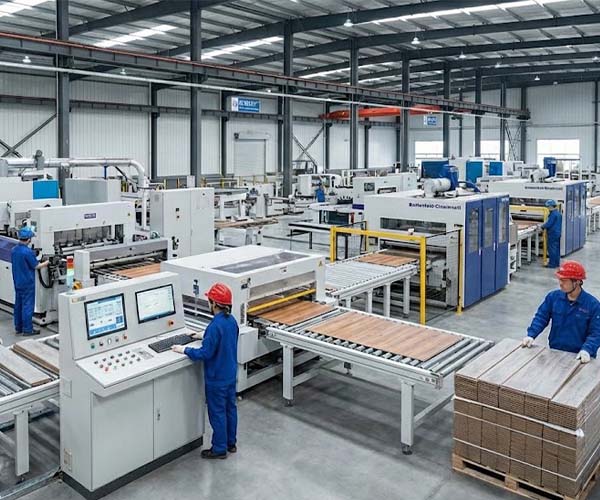
Managed scarcity in the resin market requires a shift from “just-in-time” procurement to a more strategic, inventory-heavy approach to ensure project continuity.
Does High Market Demand Overpower PVC Price Trends 2026?
Despite rising production costs, the projected 13.4% growth in the global LVT market provides a strong pull effect that keeps wholesale prices high. Even when the PVC Price Trends 2026 show a temporary dip in resin costs, high demand for LVT Flooring prevents manufacturers from lowering their quotes. The shift toward waterproof, durable surfaces is now a permanent fixture in the global construction industry.
Is residential renovation driving this growth?
You see:
- Homeowners are consistently moving away from carpet in favor of vinyl.
- The “look-for-less” value of LVT is unbeatable during economic shifts.
- Waterproofing has become a non-negotiable standard for modern residential bids.
This high volume of residential projects creates a constant baseline of demand that keeps factory lines busy year-round.
Why is the commercial sector adopting rigid core?
But that’s not all:
- Modern office spaces require fast installation and acoustic performance.
- Retail chains are standardizing LVT for its durability and ease of maintenance.
- Institutional projects like schools are choosing vinyl for its hygiene and longevity.
Key Takeaway: Growing demand for vinyl products across both residential and commercial sectors acts as a price stabilizer, making significant wholesale price drops unlikely.
| Demand Sector | Growth Rate | Key Driver |
|---|---|---|
| Residential | High | DIY/Renovation |
| Commercial | Moderate | Durability/Cost |
| Industrial | Low | High-Traffic Needs |
Strong market demand provides a safety net for manufacturers, allowing them to maintain firm pricing even as raw material costs fluctuate.
Can Factory-Direct Models Hedge Against PVC Price Trends 2026?
Sourcing directly from a manufacturer is the most effective way to eliminate the middleman markups that often hide the true impact of PVC Price Trends 2026. By working with a factory that operates its own extrusion lines, you gain access to “cost-plus” pricing models that are far more transparent. This direct link allows you to better understand the About Us details of production and how they affect your final quote.
Why should you skip the traditional distributor?
Believe it or not:
- Layered distribution adds between 10% and 20% in unnecessary markups.
- Information lag in the supply chain means you hear about price drops too late.
- Direct communication with the factory allows for faster Loose-lay Flooring customizations.
Cutting out the middlemen is not just about price; it is about agility and getting the data you need to make informed decisions.
How does high production capacity benefit you?
Here is the secret:
- Factories with 5+ production lines can buy resin in massive bulk.
- High-volume purchasing allows the factory to lock in lower resin rates.
- These savings are passed directly to you rather than being absorbed by a broker.
Key Takeaway: Factory-direct sourcing offers the highest level of price transparency and allows you to bypass the speculative markups often added by regional wholesalers.
| Sourcing Method | Cost Transparency | Customization Potential | Pricing Model |
|---|---|---|---|
| Factory Direct | High | Full OEM | Cost-Plus |
| Wholesaler | Low | Limited | Market Rate |
| Trading Co. | Medium | Variable | Commission-Based |
The shift toward factory-direct partnerships is a strategic necessity for distributors who want to maximize their margins in a high-cost environment.
Do Global Trade Policies Drive Current PVC Price Trends 2026?
Anti-dumping duties of up to 77% in the EU and various North American border taxes are significantly inflating the landed cost of vinyl flooring. The PVC Price Trends 2026 are no longer just about the cost of resin but also about the cost of legal compliance. Understanding the trade landscape for SPC Flooring is now just as important as understanding chemistry.
How do new regulations change your pricing?
It doesn’t stop there:
- Carbon footprint documentation is becoming a requirement for European imports.
- Phthalate-free and eco-friendly formulations often command a 10-15% premium.
- Trade barriers are forcing a shift toward “safe harbor” manufacturing hubs.
These regulatory hurdles are adding a layer of “hidden costs” that must be factored into every wholesale quote.
Is sustainability a cost or an opportunity?
Look at it this way:
- Sustainable products attract higher-value clients and government contracts.
- Compliance with SGS and CE standards reduces the risk of project rejections.
- Early adoption of eco-friendly tech provides a long-term competitive advantage.
Key Takeaway: Regulatory compliance and trade duties are now major components of LVT quotes; working with a certified, compliant manufacturer is critical to avoiding sudden tax penalties.
| Regulation Type | Impact | Regional Focus |
|---|---|---|
| Anti-Dumping | High (Up to 77%) | EU / North America |
| Carbon Taxes | Medium | Europe |
| Phthalate-Free | Medium | Global / Premium |
Navigating the complex world of international trade policy is essential for maintaining a stable and profitable flooring inventory in 2026.
Which Technologies Best Mitigate PVC Price Trends 2026 Volatility?
Choosing SPC or rigid core technologies helps mitigate price shocks because these products use less PVC resin per square foot than traditional glue-down options. Because SPC relies heavily on limestone powder (calcium carbonate), it is far less sensitive to the PVC Price Trends 2026 affecting the petrochemical market. This makes it a more stable choice for distributors who need to offer long-term price consistency.
Why is SPC more price-stable than LVT?
This is why:
- Limestone is a stable commodity with minimal price fluctuations.
- The high mineral-to-resin ratio creates a natural price buffer.
- SPC’s rigid core requires less chemical stabilization than flexible LVT Flooring .
By shifting your inventory toward rigid core products, you can reduce your exposure to the volatile swings of the global resin market.
Is Loose-lay a viable middle ground?
Check this out:
- Loose-lay offers the acoustic benefits of LVT with high-speed installation.
- Its heavy weight provides stability without the need for expensive adhesives.
- It remains a premium choice for high-end commercial renovations.
Key Takeaway: SPC flooring offers the most stable wholesale pricing structure in 2026 due to its reliance on mineral-based fillers rather than pure PVC resin.
| Feature | LVT Dryback | SPC Click | Loose-lay |
|---|---|---|---|
| Resin Content | High | Low | Medium |
| Price Stability | Low | High | Medium |
| Install Speed | Slow | Fast | Fastest |
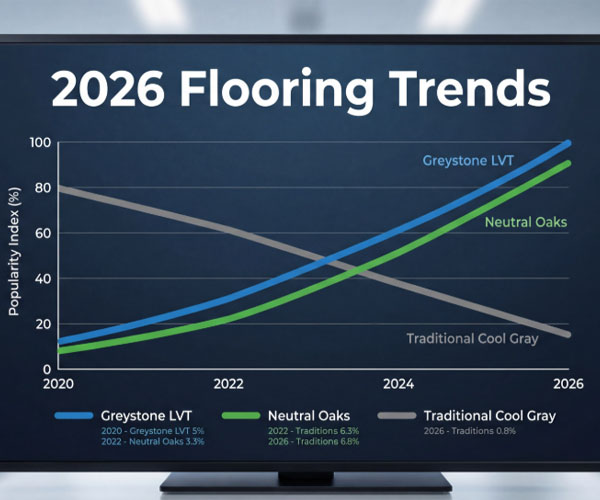
Understanding the material composition of your flooring products allows you to steer your sales toward the most cost-effective and price-stable technologies.
Why Should Distributors Monitor Monthly PVC Price Trends 2026?
Monitoring monthly trends allows you to lock in project-based pricing before resin spikes translate into higher PVC Price Trends 2026 wholesale quotes. Because there is typically a 30-to-60-day lag between resin price changes and flooring quote adjustments, being proactive gives you a massive advantage. If you can see a spike coming in the LVT Flooring sector, you can secure your stock at the old rate.
How can you track market shifts effectively?
Here is the strategy:
- Follow crude oil benchmarks like Brent and WTI daily.
- Watch regional resin indices, especially the Chinese and US markets.
- Communicate weekly with your factory contact regarding lead times.
Staying informed is the only way to avoid being caught off guard by a sudden 5-10% price hike on your next container.
Does information speed matter in 2026?
The reality is:
- The first distributors to secure stock before a hike win the market share.
- Transparency from your manufacturer is your most valuable asset.
- Digital tracking of shipping and material costs is now a standard tool.
Key Takeaway: Information is your best hedge against volatility; monthly tracking of resin and energy benchmarks allows for smarter, more profitable procurement.
| Tracking Metric | Source | Warning Sign |
|---|---|---|
| Crude Oil | Energy Markets | Price > $85/Barrel |
| Resin Index | Industry Reports | 5% Monthly Gain |
| Lead Times | Factory Updates | Increase > 10 Days |
An interrogative approach to market data ensures that you are always one step ahead of the competition and prepared for any sudden market shifts.
How Can You Secure Fair Rates Despite PVC Price Trends 2026?
Securing long-term partnerships with manufacturers who offer transparent supply chains is the best way to maintain competitive rates in the face of PVC Price Trends 2026. By moving away from one-off spot buys and toward a more integrated About Us partnership, you can negotiate better terms and more stable pricing. Transparency and trust are the new currencies of the 2026 flooring market.
Can you protect your margins through customization?
The answer is simple:
- Custom wear layers (0.3mm vs 0.5mm) allow for precise project pricing.
- Private labeling helps you build brand equity that is separate from commodity prices.
- Bulk ordering for multiple projects can trigger significant factory discounts.
These small adjustments can add up to a 15-20% difference in your final landed cost.
Why is factory-direct communication the final key?
Here is why:
- Direct feedback helps the factory optimize production for your specific needs.
- You get “first look” access to new, more cost-effective technologies.
- Solving logistics issues directly with the source saves time and money.
Key Takeaway: The most successful 2026 distributors will be those who bridge the gap between the factory floor and the end customer through deep, direct partnerships.
| Partnership Level | Price Stability | Supply Priority | Technical Support |
|---|---|---|---|
| Strategic Partner | High | Top | Direct Access |
| Bulk Buyer | Medium | High | Variable |
| Spot Buyer | Low | Low | Minimal |
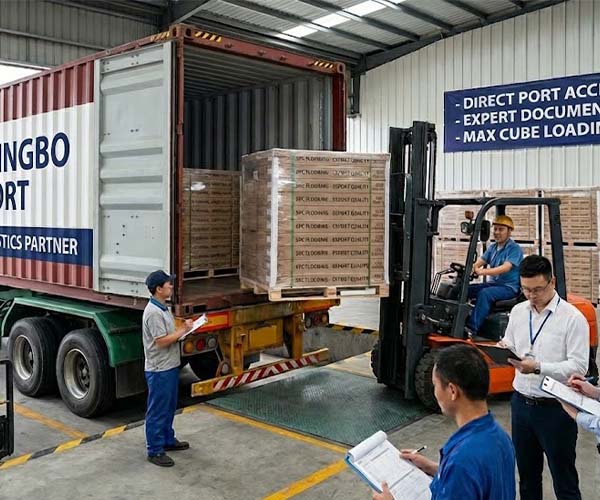
In a volatile market, your choice of partner is the single most important decision you will make for the future of your business.
PVC and LVT Market FAQs
Can I lock in a wholesale quote for the entire year of 2026?Most manufacturers offer project-based price locks rather than annual ones to mitigate resin risk. We generally provide 90-day price stability for established partners, though major petrochemical surges may require small, transparent adjustments.
What’s the best way to hedge against PVC price increases?Maintain a diverse inventory of both SPC and LVT products. Since SPC uses less resin, it acts as a price stabilizer when PVC costs spike, allowing you to shift focus to the more profitable line.
How do I know if my supplier is passing on real costs or just inflating margins?Transparency is the key indicator of a good partner. Ask for a breakdown of the resin component in your quote; if global indices are stable but your quote is rising, it is time to find a direct factory.
Can I request custom wear layers to lower my per-square-foot cost?Absolutely, this is one of the best ways to hit specific budget targets. For light residential use, dropping from a 0.5mm to a 0.3mm wear layer can save you 10-15% on the wholesale quote.
How do I know if a “low price” quote is due to recycled PVC?Always request an SGS Material Test Report for every batch. While some recycled content is acceptable, high-quality flooring should use virgin PVC to ensure dimensional stability and superior indoor air quality.
Conclusion: Mastering the 2026 Vinyl Flooring Market
Navigating the PVC Price Trends 2026 requires a sophisticated understanding of oil benchmarks, regional supply shifts, and factory-direct dynamics. In an era of managed scarcity and high demand, the “old ways” of sourcing through multiple layers of middlemen are no longer sustainable for those who want to lead the market.
Your Vision, Our Expertise: A Strategic Partnership for 2026.With over 35 years of export experience and a state-of-the-art 5-line production facility in Dongguan, we provide the transparency and reliability you need to thrive. We offer the market intelligence, OEM flexibility, and certified quality that modern flooring distributors demand to protect their margins and grow their brands.
Take control of your procurement today. Contact us today for a customized 2026 wholesale quote and a virtual tour of our manufacturing facility. Let’s build a more stable, profitable, and sustainable future for your flooring business together.