
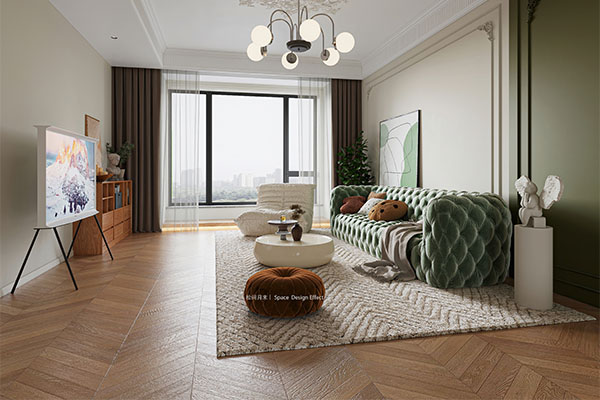
Can You Really Tell the Difference from Wood?
Yes, thanks to ultra-high-definition scanning and 1200 DPI resolution, modern flooring has reached a point where distinguishing it from real timber is nearly impossible for the naked eye. For years, B2B buyers and interior designers have faced a frustrating trade-off between natural hardwood’s beauty and vinyl’s durability. Traditional vinyl often felt “plasticky” with obvious pattern repeats that immediately broke the illusion of a premium space. High-definition Printing Technology in LVT has changed the game by moving beyond physical rollers to advanced inkjet systems. Now, you can provide clients with the soul of timber—down to the microscopic grain and mineral streaks—without the high maintenance of wood.
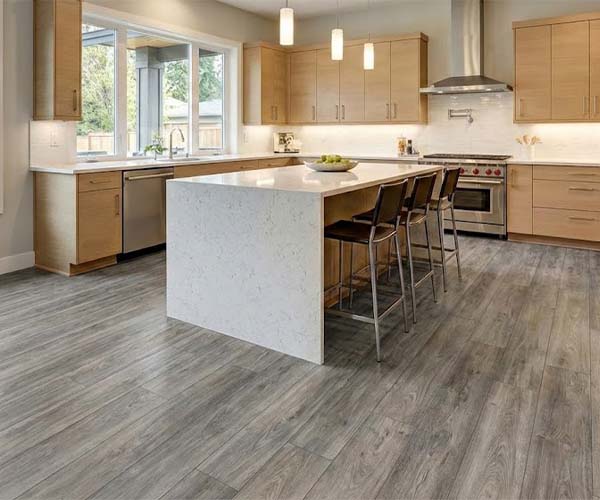
1. Why is Printing Technology in LVT shifting the market?
The flooring industry is moving away from analog processes to meet tighter deadlines and higher aesthetic expectations. As demand for hyper-realistic Printing Technology in LVT grows, manufacturers are adopting digital workflows that eliminate the limitations of traditional film.
Moving Beyond Film Limitations
Think about it: traditional methods rely on physical cylinders that can only hold so much visual information. Digital systems bypass this by using data-driven files that store infinite detail. This allows for a much more complex “visual story” on every plank.
Adapting to Modern Interior Trends
Here’s the deal: interior design trends move faster than ever before. Digital printing allows manufacturers to update designs in days rather than months. You can now access the latest “bleached oak” or “reclaimed walnut” looks almost instantly.
- Rapid design cycles for B2B clients.
- Higher resolution than traditional film.
- Immediate response to market trends.
Key Takeaway: Digital systems allow for rapid design cycles, meaning you can access the latest wood-look trends months faster than traditional supply chains.
| Feature | Impact | |
|---|---|---|
| Design Speed | Reduced from months to days | |
| Visual Depth | Enhanced by digital data storage | |
| Market Agility | High |
This table demonstrates how digital shifts prioritize speed and visual depth over traditional manufacturing constraints.
2. How does Printing Technology in LVT create wood realism?
Realism is achieved by using ultra-high-resolution scans of actual timber species to capture “perfect imperfections.” Printing Technology in LVT focuses on complexity rather than just color matching to ensure the floor looks organic.
Capturing 1200 DPI Visual Clarity
But wait: color is only half the battle. Digital printers operate at up to 1200 DPI, which is four times the resolution of standard industry prints. This ensures that even the smallest wood knots look sharp and clear.
Replicating Natural Color Gradients
Nature doesn’t use flat colors, and neither does a digital inkjet system. These printers can produce millions of color combinations to mimic the natural oxidation of wood. This creates a soft, natural transition between light and dark areas.
- High-resolution raw photography sources.
- Multi-channel ink systems for depth.
- Microscopic detail in grain patterns.
Key Takeaway: The use of high-DPI imagery ensures that the “visual noise” found in real wood is perfectly preserved in the vinyl layer.
| Realism Factor | Standard Print | Digital LVT | |
|---|---|---|---|
| DPI Resolution | 300 DPI | 1200 DPI | |
| Color Complexity | Limited | Virtually Unlimited | |
| Grain Sharpness | Moderate | Extreme |
Higher DPI ratings directly correlate to the photographic quality found in premium digital LVT collections.
3. What defines the quality of Printing Technology in LVT?
The quality of a Printing Technology in LVT line depends heavily on the ink types and substrate preparation. High-end products use water-based eco-inks and direct-to-substrate application to ensure the image doesn’t delaminate or fade.
The Use of Water-Based Eco-Inks
Here’s the deal: the best digital prints use water-based inks that are both environmentally friendly and visually vibrant. These inks bond better with the vinyl layers during the heat-pressing stage. This prevents the “clouding” effect often seen in cheaper alternatives.
Consistency Across Production Batches
Consistency is a major pain point for contractors. Digital files ensure that the color you see in a sample is exactly what arrives on the pallet. Because there are no physical plates to wear down, the first plank is identical to the ten-thousandth.
- Eco-friendly water-based pigments.
- Superior bonding with wear layers.
- Color consistency across large orders.
Key Takeaway: Quality is defined by the synergy between high-grade inks and the technical precision of the digital file management.
| Quality Metric | Benefit | |
|---|---|---|
| Ink Type | UV-resistant & Eco-friendly | |
| Bonding | Prevents delamination | |
| Repeatability | 100% color accuracy |
Investing in high-quality inks ensures the floor remains vibrant and stable throughout its commercial lifespan.
4. Does Printing Technology in LVT eliminate repetitive planks?
Yes, digital technology solves the “pattern repeat” problem by expanding the print run from a few feet to dozens of meters. Printing Technology in LVT removes the “visual glitches” that occur when identical wood knots appear too close together.
Extending the Digital Print Cycle
Think about it: a physical cylinder can only repeat every 3 to 4 feet. A digital printer can run for 50 feet or more before repeating a single image. This makes a large-scale installation look completely random and natural.
Reducing “Visual Fatigue”
But wait: repeating patterns actually tire the eye and make a space feel smaller. By offering dozens of unique planks, digital printing keeps the viewer’s eye moving. This is essential for high-end hospitality and retail environments.
- No “visual glitch” repeats.
- Large-format design files.
- Randomization software for plank sorting.
Key Takeaway: Because digital files don’t rely on a physical cylinder’s circumference, you can have dozens of unique planks before a pattern ever repeats.
| Repeat Factor | Traditional | Digital | |
|---|---|---|---|
| Unique Planks | 6 – 8 | 50+ | |
| Visual Randomness | Low | Very High | |
| Pattern Match | Predictable | Natural |
The sheer variety of unique planks provided by digital systems is the primary reason it rivals real wood.
5. How does Printing Technology in LVT beat traditional rotogravure?
Digital printing wins because it eliminates the high setup costs and registration errors associated with engraved steel cylinders. Modern Printing Technology in LVT provides superior speed to market for contractors and developers.
Eliminating Cylinder Registration Errors
Here’s the deal: in traditional printing, multiple cylinders must align perfectly to create an image. If one is off by a millimeter, the whole batch is ruined. Digital heads fire simultaneously, ensuring perfect alignment every single time.
Lower Setup Costs for New Designs
Rotogravure requires expensive engraving for every new pattern. Digital printing only requires a software upload. This allows us to offer a much wider variety of designs without passing setup costs to you.
- Zero plate or cylinder costs.
- Perfect color registration.
- Reduced lead times for custom orders.
Key Takeaway: Digital workflows are more agile and precise, removing the mechanical failures inherent in old-school analog printing.
| Efficiency Factor | Rotogravure | Digital | |
|---|---|---|---|
| Setup Time | Weeks | Hours | |
| Waste Material | Moderate | Minimal | |
| Alignment | Mechanical | Digital |
The lack of mechanical setup makes digital printing the most efficient choice for high-volume commercial production.
6. Can Printing Technology in LVT support custom brand designs?
Absolutely, digital workflows allow for bespoke designs that were previously cost-prohibitive for specialized commercial projects. Printing Technology in LVT enables you to tailor graphics specifically to a brand’s unique identity.
Tailoring Graphics to Brand Identity
Think about it: you can now incorporate subtle logos or specific brand colors directly into the wood grain. This level of customization was impossible when you were limited to “stock” cylinders. It opens up new creative doors for interior architects.
Prototyping Custom Wood Species
But wait: what if your client wants an extinct species or a specific antique finish? We can scan a single reclaimed board and turn it into a thousand square meters of flooring. This makes “impossible” designs a reality.
- Custom logo integration.
- Bespoke color matching.
- Small-batch prototype runs.
Key Takeaway: The digital nature of the process means that if you can imagine it on a screen, we can print it on your floor.
| Customization | Capability | |
|---|---|---|
| Brand Colors | Precision Matching | |
| Logo Inlay | Seamless Digital Integration | |
| Species Choice | Unlimited Scanned Sources |
Customization is no longer a luxury for the few; it is a standard offering for modern digital flooring lines.
7. Will Printing Technology in LVT improve your project ROI?
Yes, by reducing waste and inventory overhead, digital tech passes significant savings down the value chain. Utilizing Printing Technology in LVT means you pay for high-quality visuals rather than expensive manufacturing setups.
Reducing Material Waste in Production
Here’s the deal: traditional printing often results in “overruns” because it’s too expensive to stop the machines. Digital printing is on-demand. We print exactly what is needed, reducing the environmental and financial cost of waste.
Increasing Property Value with Realism
Think about it: high-quality visuals lead to higher tenant satisfaction and property value. When the floors look like genuine oak, the entire space feels more expensive. This allows you to command higher rents or sale prices.
- On-demand production.
- Lower minimum order quantities.
- Enhanced aesthetic property value.
Key Takeaway: Digital tech reduces the financial barriers to high-end design, making premium looks accessible for mid-market budgets.
| ROI Driver | Impact | |
|---|---|---|
| Inventory Cost | Lowered by on-demand tech | |
| Waste Reduction | Significant (up to 20%) | |
| Perceived Quality | High (Luxury Status) |
Reduced waste and high aesthetic appeal combine to create a much stronger return on investment for developers.
8. Is Printing Technology in LVT durable for high-traffic zones?
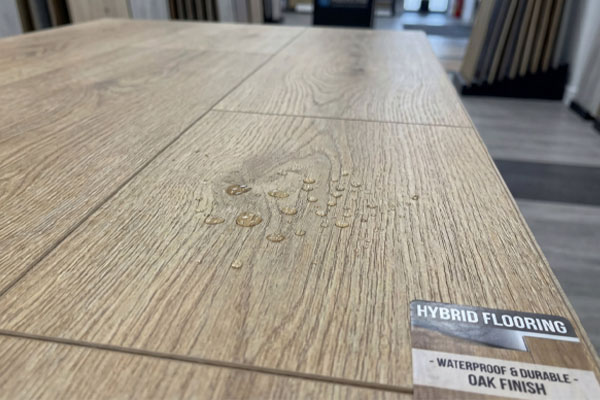
Yes, because the digital image is fused beneath a heavy-duty wear layer that protects it from abrasion. Printing Technology in LVT isn’t just about the “look”; it’s about how that look survives heavy boots and rolling loads.
Protecting the Print with Wear Layers
But wait: the image isn’t on the surface. It is sandwiched between the core and a protective transparent layer. This layer is usually treated with aluminum oxide or ceramic beads for extreme scratch resistance.
UV-Curable Coatings for Color Fastness
Here’s the deal: sunlight is the enemy of traditional flooring. Modern digital inks are UV-cured during production. This ensures that the beautiful wood tones won’t fade near floor-to-ceiling windows or in sun-drenched lobbies.
- Protection against heavy foot traffic.
- UV-resistance for sunny interiors.
- Easy-clean surface technology.
Key Takeaway: Durability is built into the layering process, ensuring the high-definition image remains crisp for decades.
| Performance Factor | Standard Vinyl | Digital LVT | |
|---|---|---|---|
| Fade Resistance | Moderate | High (UV-Stabilized) | |
| Grain Matching | Approximate | Exact (EIR Technology) | |
| Commercial Rating | Varies | Typically Class 33/34 |
Digital LVT is engineered to outperform traditional materials in the most demanding commercial environments.
9. How green is modern Printing Technology in LVT production?
Digital processes are inherently cleaner than traditional methods because they eliminate the need for harmful engraving chemicals. Choosing Printing Technology in LVT helps you meet sustainability goals for LEED-certified projects.
Eliminating Harmful Photo Chemicals
Think about it: rotogravure requires acid etching and heavy metal plating for every cylinder. Digital printing uses zero plates. This removes a massive amount of toxic chemicals from the manufacturing cycle.
Optimizing Ink Usage to Reduce Waste
But wait: inkjet technology is incredibly precise. It only places ink exactly where it is needed on the film. This “drop-on-demand” system minimizes chemical runoff and lowers the energy required for drying.
- No acid-etched cylinders.
- Lower energy consumption per SQM.
- Recyclable vinyl substrates.
Key Takeaway: The transition to digital is a transition to a cleaner, more sustainable flooring industry that values both beauty and the planet.
| Green Metric | Traditional | Digital | |
|---|---|---|---|
| Chemical Waste | High | Near-Zero | |
| Energy Use | High | Optimized | |
| Ink Precision | Low | Extremely High |
Sustainability is a built-in benefit of the digital process, making it the responsible choice for modern B2B buyers.
10. What is the future for Printing Technology in LVT?
The next frontier involves 3D textures that align perfectly with the digital image through Digital Lacquer Embossing (DLE). Printing Technology in LVT is moving toward total sensory realism where the touch matches the sight.
The Evolution of Digital Embossing
Here’s the deal: in the past, texture was “close enough” to the grain. Future systems will use digital “inkjet embossing” to create textures that follow every single wood pore. You won’t just see a knot; you will feel it.
Total Sensory Realism in Flooring
Think about it: as AI and scanning improve, the “digital twin” of a piece of wood will be indistinguishable from the original. We are entering an era where the distinction between “natural” and “synthetic” becomes purely academic.
- Perfectly registered 3D textures.
- AI-driven design randomization.
- Enhanced haptic feedback on surfaces.
Key Takeaway: We are approaching a point where even flooring experts will need a magnifying glass to tell the difference between LVT and genuine timber.
| Future Trend | Expected Impact | |
|---|---|---|
| DLE Texturing | 100% texture-image alignment | |
| AI Design | Zero pattern repetition | |
| Smart Surfaces | Integrated tech features |
The future of flooring is digital, driven by a pursuit of perfection that honors natural aesthetics while embracing modern performance.
Frequently Asked Questions (FAQ)
Can I request a custom pattern for a large-scale project?Yes, you absolutely can. Because there are no physical plates to engrave, our design team can adapt digital files to create unique patterns or incorporate brand elements specifically for your commercial contract.
What’s the best way to verify the print quality before buying?Look for the “DPI” rating and ask for a full-plank sample rather than a small chip. High-quality digital LVT should show no “pixelation” even when you look at it from a few inches away.
How do I know if digital LVT is right for my high-traffic office?Check the wear layer thickness and the commercial rating. Digital LVT typically comes with a 20mil (0.5mm) or higher wear layer, making it ideal for busy offices, restaurants, and retail stores.
Can I use digital LVT in areas with floor-to-ceiling windows?Yes, modern digital inks are UV-cured and designed to resist fading. Combined with a high-grade protective coating, these floors maintain their color far better than older vinyl or even natural wood.
What’s the best cleaning method for digital LVT?Concise judgment: pH-neutral cleaners are best. Since the image is protected by a non-porous wear layer, you only need simple damp mopping to keep the wood-look vibrant for years.
Ready to elevate your next project?
At Adasea, our vision is to bridge the gap between nature’s timeless beauty and modern industrial performance. We believe that a space should never sacrifice its aesthetic soul for the sake of utility. By harnessing the latest advancements in digital printing, we provide flooring solutions that inspire designers and endure the rigors of daily use.
Don’t let outdated technology limit your design vision. Discover the future of realistic, high-performance flooring by exploring our full collection today. Whether you need a custom solution or a high-volume stock order, our experts are ready to assist.
Contact us today to request your free samples and see the digital difference for yourself.