
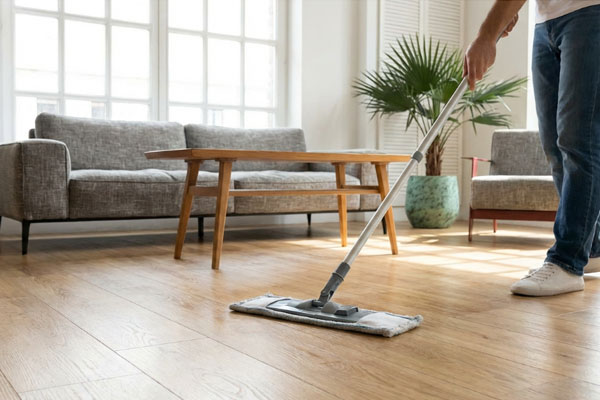
You can clean SPC floors by using a dry microfiber mop for daily dust removal and a pH-neutral cleaner for weekly damp mopping. You invested in high-quality planks to elevate your home, but now you’re seeing dull spots or mysterious streaks that won’t go away. If you use harsh steam cleaners or abrasive brushes, you might permanently damage the wear layer and void your warranty. This comprehensive guide reveals exactly how to clean SPC flooring so your home remains pristine and your investment stays protected.
1. How to clean SPC flooring after installation?
To clean SPC flooring after installation, you must first remove all construction dust and debris before applying any liquid solutions. Choosing high-quality products for the initial sweep ensures you don’t grind sand into the fresh wear layer.
What is the best post-install sweep?
You should start with a soft-bristle broom to catch large particles and follow up with a vacuum on a hard-floor setting.
- Sweep the entire perimeter twice.
- Check corners for adhesive residue.
- Avoid using a vacuum with a beater bar.
How to perform the first damp wipe?
Wait at least 24 hours for the adhesive (if used) to set before wiping the surface with a very lightly damp microfiber cloth. Look: The first wipe is just to remove that fine “haze” left behind by construction crews.
- Wring the mop until it is almost dry.
- Use clear, lukewarm water only.
- Dry the floor immediately with a towel.
Key Takeaway: Initial cleaning focuses on grit removal to prevent micro-scratches during the move-in process.
| Stage | Tool | Goal | |
|---|---|---|---|
| Debris Removal | Soft Broom | Eliminate large grit | |
| Fine Dusting | Hard Floor Vacuum | Clear construction dust | |
| Final Rinse | Damp Microfiber | Remove surface film |
Effective post-installation care sets the foundation for the floor’s long-term visual performance.
2. How to clean SPC flooring on a daily basis?
The most effective way for how to clean SPC flooring daily is to use a dry microfiber dust mop to capture hair, dirt, and allergens. This simple habit prevents the buildup of abrasive particles that act like sandpaper under your feet.
Why is dry mopping better than sweeping?
A microfiber mop uses static electricity to trap fine dust that a standard broom often just pushes around the room. Here is the deal: Microfiber is much gentler on the UV coating than stiff straw bristles.
- Reach under low furniture easily.
- Wash the mop head after every use.
- Keep a dedicated mop for high-traffic zones.
When should you use a vacuum?
You should use a vacuum twice a week to pull dust from the locking joints where a mop might miss.
- Verify the beater bar is turned off.
- Use a felt-bottom floor attachment.
- Inspect the vacuum wheels for trapped pebbles.
Key Takeaway: Consistent dry cleaning is the single most important factor in extending the life of your floor’s finish.
| Tool | Frequency | Benefit | |
|---|---|---|---|
| Microfiber Mop | Daily | Removes surface grit | |
| Vacuum (No Brush) | 2x Weekly | Deep joint cleaning | |
| Soft Broom | As needed | Quick spot pickups |
Daily maintenance should prioritize friction reduction by keeping the surface free of loose sand.
3. How to clean SPC flooring with the best mop?
You clean SPC flooring effectively by using a flat-head microfiber mop instead of an old-fashioned string mop or a sponge. This type of rigid core vinyl flooring requires even pressure and minimal moisture to prevent water from seeping into the seams.
Why choose a flat microfiber mop?
Flat mops provide a consistent surface area contact that ensures you aren’t leaving streaks or puddles behind. The best part? You can easily swap out dirty pads for clean ones mid-way through a large room.
- Look for machine-washable pads.
- Avoid mops with built-in abrasive scrubbers.
- Choose a 360-degree swivel head.
Are spray mops safe for SPC?
Yes, spray mops are excellent because they control the exact amount of liquid dispensed onto the planks.
- Use a refillable reservoir.
- Spray ahead of the mop path.
- Ensure the cleaner is pH-neutral.
Key Takeaway: The right mop minimizes water usage, which protects the core and prevents “cloudy” residue.
| Mop Type | Pros | Cons | |
|---|---|---|---|
| Flat Microfiber | Even cleaning, fast drying | Requires multiple pads | |
| Spray Mop | Moisture control | Small tank capacity | |
| String Mop | None for SPC | Risks over-saturation |
Using the correct hardware prevents common issues like moisture damage or uneven cleaning results.
4. How to clean SPC flooring that has food spills?
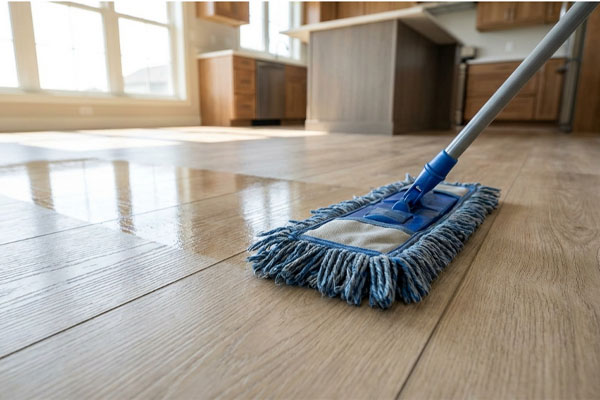
To clean SPC flooring after a food spill, you must act quickly by blotting the liquid with a paper towel and wiping the area with a damp cloth. Leaving sugary or acidic spills to sit can attract more dirt or eventually dull the protective topcoat.
How to handle sticky juice spills?
You should use a drop of mild dish soap mixed with water to break down the sugars without using harsh chemicals. Believe it or not: Plain water is often all you need if you catch the spill within the first few minutes.
- Blot, don’t rub, the spill.
- Rinse the spot with clear water.
- Wipe dry to prevent a slip hazard.
What about dried food particles?
Gently soften dried-on food with a damp (not soaking) warm cloth for 30 seconds before wiping it away.
- Never use a metal scraper.
- Avoid scouring pads or steel wool.
- Work in a circular motion.
Key Takeaway: Immediate action is the best defense against stains and sticky residues that ruin the floor’s aesthetic.
| Spill Type | Action | Solution | |
|---|---|---|---|
| Liquid/Juice | Blot immediately | Warm water | |
| Sticky Food | Soften and wipe | Mild soap drop | |
| Acidic (Wine) | Immediate cleanup | pH-neutral cleaner |
Spill management is about speed and using the least amount of moisture possible to achieve a clean surface.
5. How to clean SPC flooring to remove oily stains?
You can remove oily stains from LVT flooring and SPC by using a specialized water-based degreaser on a soft cloth. Oil is one of the few substances that can bypass the wear layer’s resistance if left to penetrate for long periods.
Can you use dish soap for grease?
Yes, a high-quality grease-cutting dish soap is safe for spot-treating small kitchen splatters. Look: Applying the soap to the cloth rather than the floor prevents “puddling” in the joints.
- Apply soap to a damp cloth.
- Rub the grease spot gently.
- Rinse the area with a fresh damp cloth.
What is the trick for heavy oil?
For larger grease tracks, dilute a commercial-grade vinyl degreaser at a 1:10 ratio and mop only that specific section.
- Test on a hidden corner first.
- Wipe in the direction of the grain.
- Dry the area with a lint-free towel.
Key Takeaway: Oil requires an emulsifier to be removed completely, otherwise, you will just smear the grease around.
| Oil Source | Treatment | Tool | |
|---|---|---|---|
| Cooking Grease | Mild dish soap | Microfiber cloth | |
| Motor Oil | Diluted degreaser | Soft sponge | |
| Skin Oils | pH-neutral cleaner | Flat mop |
Grease removal requires targeted chemical action followed by a thorough rinse to prevent slippery residue.
6. How to clean SPC flooring and remove scuff marks?
The easiest way for how to clean SPC flooring scuffs is to use a white polishing pad or even a clean tennis ball. Most scuffs are simply rubber transfers from shoes or furniture legs and haven’t actually scratched the material.
Does the tennis ball trick work?
Rubbing a clean, dry tennis ball over a black scuff mark provides enough friction to lift the rubber without scratching the floor. The best part? You can put the ball on the end of a broom handle to save your back and knees.
- Use a brand-new tennis ball.
- Apply firm, steady pressure.
- Rub in a circular motion.
How to use a white polishing pad?
If the scuff is stubborn, spray a tiny amount of vinyl cleaner on a white (non-abrasive) buffing pad and rub gently.
- Never use green or black pads.
- Keep the pad flat against the floor.
- Wipe away any residue immediately.
Key Takeaway: Most “marks” are superficial transfers that can be buffed away with mechanical friction rather than chemicals.
| Mark Type | Solution | Success Rate | |
|---|---|---|---|
| Rubber Heel | Tennis Ball | 95% | |
| Furniture Drag | White Polishing Pad | 90% | |
| Permanent Marker | Rubbing Alcohol (Dab) | 80% |
Treating scuffs as soon as they appear prevents them from becoming “ground-in” and much harder to remove.
7. How to clean SPC flooring during deep refurbishing?
A deep refurbishment for loose-lay flooring or SPC involves using a dewaxing solution to strip away old cleaner buildup. Over time, “mop and glow” products create a dull film that traps dirt and makes the floor look gray.
When should you strip the floor?
You should consider a deep refurbishment every 18 to 24 months if the floor has lost its original luster despite regular cleaning. Here is the deal: Professional dewaxing water “resets” the surface back to the original factory finish.
- Dilute dewaxer at a 1:10 ratio.
- Let it sit for 5 minutes.
- Scrub with a low-speed machine.
Is re-waxing necessary?
Most modern SPC floors do not need wax, but a high-strength surface protector can be applied if the wear layer has thinned.
- Apply 1-2 thin layers.
- Allow 4 hours of drying time.
- Use a specialized floor finish.
Key Takeaway: Refurbishing is a rare maintenance step that removes years of chemical buildup to restore the floor’s clarity.
| Refurbish Step | Product | Equipment | |
|---|---|---|---|
| Deep Clean | Dewaxing Solution | Floor Scrubber | |
| Rinse | Clear Lukewarm Water | Wet/Dry Vacuum | |
| Protect | Surface Wax (Optional) | Microfiber Applicator |
Periodic deep cleaning restores the visual depth of the wood grain or stone pattern in your planks.
8. How to clean SPC flooring with safe chemicals?
Safe chemicals for how to clean SPC flooring include pH-neutral vinyl cleaners and mild dish soaps, while avoiding bleach and ammonia. The UV coating on your floor is sensitive to high acidity and harsh solvents which can cause yellowing.
Is vinegar safe to use?
While many people recommend it, frequent use of vinegar can actually dull the finish over time due to its acidic nature. Look: A dedicated vinyl cleaner is specifically formulated to protect the wear layer’s chemistry.
- Stick to pH-neutral solutions.
- Avoid “all-purpose” spray cleaners.
- Never use floor strippers for daily care.
Why avoid bleach and ammonia?
Bleach is too alkaline and ammonia is too harsh; both can weaken the surface and make it more susceptible to staining.
- Bleach causes permanent discoloration.
- Ammonia can “cloud” the clear coat.
- Both chemicals can irritate your lungs.
Key Takeaway: If the label doesn’t say “Safe for LVT/SPC,” it should stay in the cabinet.
| Safe to Use | Prohibited | |
|---|---|---|
| pH-Neutral Soap | Bleach / Ammonia | |
| Warm Water | Steam Cleaners | |
| Vinyl Degreaser | Abrasive Powders | |
| Microfiber Cloths | Steel Wool |
Chemical safety is the primary way to ensure the lifetime warranty on your flooring remains valid.
9. How to clean SPC flooring in commercial spaces?
In commercial zones, how to clean SPC flooring requires more frequent use of mechanical floor scrubbers with soft pads. Our blog often discusses the importance of managing high foot traffic with industrial-grade entrance mats.
Should you use a floor machine?
Yes, using a low-speed (under 175 RPM) floor scrubber with a red or white pad is the standard for retail and office spaces. The best part? It saves hours of labor while providing a much deeper clean than manual mopping.
- Use commercial-grade detergents.
- Clean during off-hours.
- Suction up water immediately.
How to prevent entry grit?
Place heavy-duty walk-off mats at every entrance to catch 80% of the dirt before it ever touches your SPC.
- Mats should be 3-5 paces long.
- Vacuum mats daily.
- Replace mats when worn.
Key Takeaway: Commercial maintenance is a volume game—focus on prevention at the door and mechanical efficiency inside.
| Commercial Need | Tool | Frequency | |
|---|---|---|---|
| Lobby Dusting | Large Dust Mop | 3x Daily | |
| Main Area Scrub | Floor Machine | Weekly | |
| Spills/Mud | Mop & Bucket | Immediate |
Industrial maintenance plans must be scheduled and documented to ensure the floor withstands constant traffic.
10. How to clean SPC flooring for long-term use?
To ensure long-term durability, you must combine gentle cleaning with physical protection like felt pads and UV window treatments. Maintenance is as much about what you don’t do to the floor as what you do.
How do felt pads protect?
Felt pads on the bottom of all furniture legs prevent the “grinding” effect that occurs when chairs or tables are moved. Here is the deal: One tiny pebble caught under a chair leg can leave a permanent gouge in your floor.
- Replace pads every 6 months.
- Check for trapped dirt in the felt.
- Use wide casters for office chairs.
Does sunlight affect cleaning?
Direct sunlight can heat the planks and cause “fading,” which makes the floor look dirty even when it is perfectly clean.
- Use blinds during peak sun hours.
- Rotate area rugs annually.
- Consider UV-blocking window film.
Key Takeaway: Long-term success is 50% cleaning technique and 50% preventative environment management.
| Protection Tip | Action | Expected Result | |
|---|---|---|---|
| Felt Pads | Apply to all legs | Zero drag scratches | |
| Rug Rotation | Move every 12 months | Even color aging | |
| Blind Closing | Close at 12 PM – 3 PM | Prevents UV fading |
A proactive approach to floor care ensures your space remains a high-value asset for decades to come.
Mastering how to clean SPC flooring is the simplest way to enjoy the beauty and resilience of your home’s surfaces. If you have specific questions or need bulk maintenance supplies for a commercial project, please contact us today . Adasea Flooring is committed to providing world-class flooring solutions and the expert knowledge needed to keep them looking spectacular. We believe that every floor tells a story of quality, and our mission is to make sure yours always looks its best.
FAQ
Can I use a steam mop on SPC flooring?No, you should never use a steam mop as the high heat and pressurized moisture can weaken the adhesive or cause the planks to warp.
What is the best cleaner for SPC floors?The best cleaner is a pH-neutral vinyl floor cleaner specifically designed for LVT or SPC products to avoid dulling the UV coating.
Can I use a vacuum with a beater bar?You should only use a vacuum with the beater bar turned off, as spinning bristles can scratch and dull the wear layer over time.
How often should I wet mop my SPC floors?You should wet mop approximately once a week or whenever visible dirt or streaks appear that cannot be removed by dry dusting.
Can I use wax on my SPC flooring?Standard floor waxes are not recommended, but some specialized high-strength surface protectors can be applied if authorized by the manufacturer for refurbishment.