
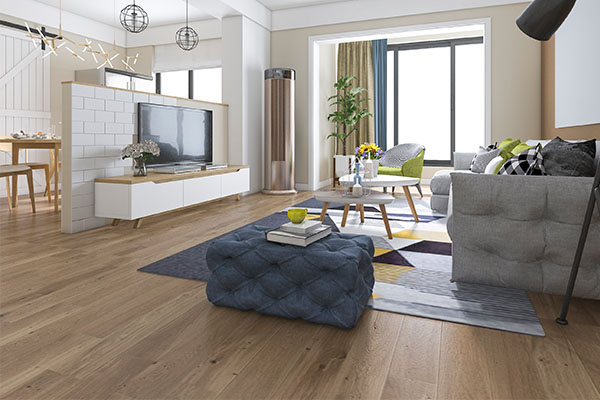
LVT tile sizes change the perception of space by manipulating visual “noise” through grout line frequency and directing the eye along specific geometric axes to elongate or ground a room. Choosing the wrong dimensions can make a premium showroom feel cramped or a high-end office look cluttered, even if the material quality is top-tier. This spatial distortion agitates the user experience, making large halls feel cavernous and small offices feel like closets, ultimately reflecting poorly on your architectural vision. Adasea Flooring provides the solution with a diverse range of LVT Tile Sizes , allowing you to manipulate visual boundaries and engineer the perfect spatial perception for every B2B application.
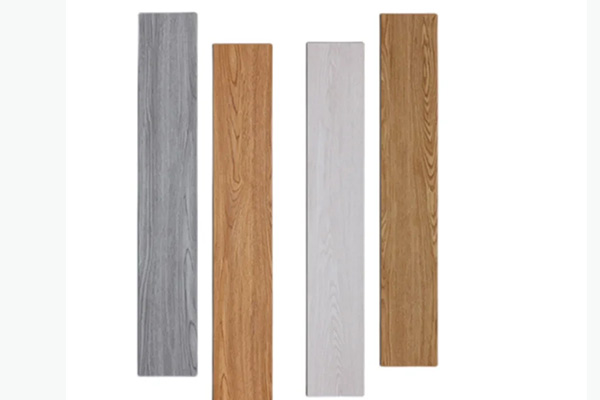
1. Why Does Tile Shape Matter for Your Space?
Tile shape matters because it dictates the “visual map” that a client’s brain follows when entering a commercial environment. Different LVT Tile Sizes act as subtle guides, either pulling the gaze forward or anchoring it to the center of the room.
Think about this. A floor isn’t just a surface; it’s a psychological foundation that tells the occupant how to feel about the volume of the room.
Can Geometry Actually “Grow” a Room?
Geometry can indeed make a room feel larger by reducing the cognitive load required to process the floor’s pattern. When the eye encounters fewer interruptions, it perceives a more expansive, continuous surface area.
Consider these factors:
- Grout line density
- Directional flow of the grain
- Comparison between floor and wall dimensions
- Light reflection off large surfaces
The result? You create a cleaner, more professional look that highlights the architectural scale of your project.
Why is Shape the Foundation of Floor Design?
Shape provides the initial structure that defines whether a space feels modern and energetic or stable and traditional. Rectangles suggest movement and progression, while squares promote a sense of static balance.
Shape vs. Perception Summary
| Tile Shape | Primary Visual Effect | Ideal Environment |
|---|---|---|
| Square | Balance and Stability | Symmetrical lobbies, boutiques |
| Rectangle | Directional flow and elongation | Narrow corridors, open-plan offices |
Analysis: Choosing a shape based on the room’s primary function ensures the flooring supports the intended psychological impact on the user.
Key Takeaway: Square tiles provide a sense of equilibrium, whereas rectangular tiles are the primary tool for creating a sense of motion and elongation in B2B spaces.
2. Can Square Tiles Create a Sense of Symmetry?
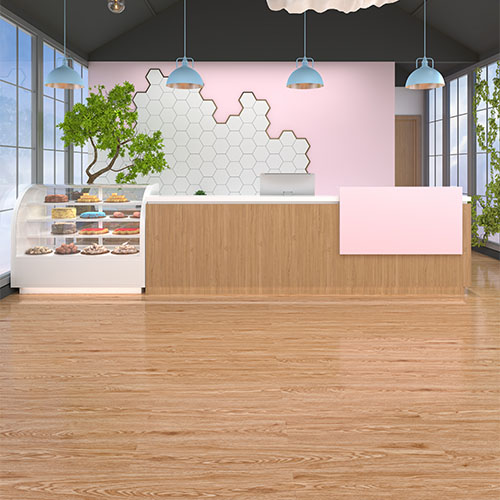
Square tiles create a sense of symmetry by establishing a uniform grid that feels predictable and grounded. Utilizing these LVT Tile Sizes allows designers to build a space that feels organized and structurally sound, which is vital for high-trust environments like healthcare or finance.
Here’s why. Symmetry reduces visual anxiety, making a room feel “safe” and well-proportioned to the visitor.
Is Symmetry the Key to a Calm Atmosphere?
Symmetry is essential for creating a calm atmosphere because it aligns with the human preference for balance. By using square tiles, you minimize the “directionality” that might otherwise distract or confuse the occupant’s gaze.
- Consistent grid lines
- Equal weight in all directions
- Ease of pattern recognition
- Seamless look with matching grout
This approach is particularly effective in square-shaped rooms where you want to emphasize the existing architecture.
When Does a Grid Layout Work Best for You?
A grid layout works best when you need to maintain a traditional or high-end retail aesthetic that requires a solid foundation. Larger squares, in particular, provide a “monolithic” feel that suggests luxury and permanence.
Square Tile Strategic Use Summary
| Size Option | Visual Impact | Best B2B Application |
|---|---|---|
| Small Square | Intricate, textured feel | Accent zones, bathrooms |
| Large Square | Expansive, continuous surface | Showrooms, hotel lobbies |
Analysis: Large square tiles are a staple for luxury projects because they create a calm, expensive-looking surface with minimal visual interruption.
Key Takeaway: Square LVT formats are the optimal choice for projects requiring a sense of order, stability, and classical architectural balance.
3. How Do Rectangles Elongate Narrow Rooms?
Rectangular tiles elongate narrow rooms by creating long, uninterrupted lines that guide the eye toward the room’s horizon. By selecting specific LVT Tile Sizes, you can effectively trick the brain into perceiving a deeper or wider room depending on the orientation.
Let’s dive in. The geometry of a rectangle naturally forces a directional perspective that squares simply cannot achieve.
Can You Use Directional Lines to Your Advantage?
Directional lines act as visual “runways” that pull the gaze across the floor, making short rooms appear significantly longer. This is a crucial technique for B2B contractors working with limited square footage in urban developments.
- Parallel layout increases depth
- Perpendicular layout increases width
- Staggered joins break up rigidity
- Long planks emphasize light sources
The best part? You can solve complex spatial problems without changing the room’s physical footprint.
Why are Planks the Secret to Endless Hallways?
Planks create a “telescoping” effect that makes a hallway seem to extend indefinitely toward its destination. This is why rectangular LVT Tile Sizes are the industry standard for hospitality corridors and office walkways.
Rectangular Orientation Benefits Summary
| Laying Direction | Perception Result | Professional Tip |
|---|---|---|
| Parallel to Length | Increases perceived depth | Use for narrow entryways |
| Perpendicular to Length | Increases perceived width | Use for “stretching” thin rooms |
Analysis: Strategic orientation of rectangular planks allows for precise control over how a visitor experiences the dimensions of a commercial corridor.
Key Takeaway: Rectangular LVT is the most versatile tool for manipulating room proportions and creating a sense of depth in tight commercial spaces.
4. Does Size Influence Room Volume Perception?
The size of a tile directly influences room volume perception by determining the number of seams visible on the floor surface. Using larger LVT Tile Sizes reduces the grid-like appearance, which in turn makes a small room feel airier and more spacious.
Think of it this way. Fewer lines mean less visual clutter for the eye to process, creating a smoother transition between spaces.
Is “Bigger Always Better” for Small Offices?
Bigger is almost always better for small offices because it minimizes the “busy” feeling that comes from many small tiles. A large-format tile can make a 10×10 office feel like an executive suite by providing a clean, open look.
- Fewer joints lead to a unified floor
- Large surfaces reflect more light
- Minimalist aesthetics are enhanced
- Installation looks more bespoke
This transition from small to large format is a growing trend among savvy B2B distributors.
How Do Fewer Seams Reduce Visual Clutter?
Fewer seams reduce clutter by allowing the material’s texture—whether stone or wood—to take center stage. When the grid disappears, the floor stops being a “pattern” and starts being a “surface.”
Size vs. Grout Interference Summary
| Tile Format | Seam Frequency | Perception of Volume |
|---|---|---|
| Small Format | High | Cozy, detailed, or “busy” |
| Large Format | Low | Expansive, modern, and clean |
Analysis: Reducing the seam frequency via large-format tiles is the most effective way to modernize a space and increase perceived volume.
Key Takeaway: Selecting larger tile dimensions is a proven strategy for decluttering the visual field and making small commercial interiors feel expansive.
5. Are Large Format Tiles Better for Open Plans?
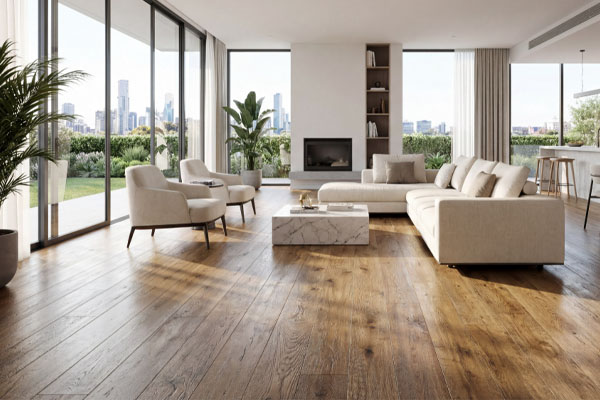
Large format tiles are significantly better for open plans because they match the grand scale of the architecture without becoming a distraction. Massive LVT Tile Sizes ensure that the floor feels like a cohesive part of the design rather than a separate, busy element.
In large-scale projects like airports or malls, the floor must be able to “carry” the weight of the open space.
Can Large Tiles Handle High-Traffic Grandeur?
Large tiles handle high-traffic grandeur by providing a durable, high-end finish that requires less maintenance in the seams. Since the joins are the most vulnerable part of any floor, fewer seams lead to higher long-term durability.
- Consistent aesthetic across vast areas
- Enhanced resistance to dirt buildup in joints
- Premium look for corporate headquarters
- Faster visual “sweep” for the eye
When you specify large formats, you are investing in both the immediate look and the long-term lifecycle of the commercial project.
Why is Scale Consistency Vital for Open Space?
Scale consistency ensures that the flooring doesn’t look like a “mosaic” in a room that is meant to feel vast. If the tiles are too small for the room’s volume, the entire design can feel fragmented and unproportioned.
Large Format Advantages Summary
| Feature | Benefit for Open Plans | Business Value |
|---|---|---|
| Fewer Joints | Easier maintenance | Reduced long-term cleaning costs |
| Massive Scale | Visual continuity | High-end, premium brand image |
Analysis: Scale consistency between the floor tile and the room’s ceiling height is a hallmark of professional architectural design.
Key Takeaway: For expansive open-plan projects, large-format LVT is essential for maintaining design continuity and ensuring the space feels luxurious and uncluttered.
6. When Should You Opt for Smaller Tile Sizes?
Smaller tile sizes should be opted for when you want to create a sense of intimacy, detail, or warmth in a specific zone. Specific LVT Tile Sizes allow for intricate patterns like herringbone or chevron that invite guests to feel more “at home.”
Here’s the thing. While large tiles expand, small tiles “contain” and focus the energy of a room.
Do Small Tiles Create a Cozier Client Experience?
Small tiles create a cozier experience by adding texture and a “human scale” to the environment. In a café or a boutique hotel lobby, these tiles make the occupant feel more sheltered and focused on their immediate surroundings.
- Increased visual detail
- Richer pattern possibilities
- Focused, intimate atmospheres
- Ideal for “dwell” zones
By using smaller formats, you signal to the client that this is a place to slow down and stay a while.
Can Intricate Patterns Drive Design Interest?
Intricate patterns drive interest by acting as a “statement piece” for the floor, which can be the focal point of an entire room. This is especially useful in renovations where the existing walls might be plain or utilitarian.
Small Tile Applications Summary
| Target Vibe | Tile Recommendation | Spatial Outcome |
|---|---|---|
| Intimate/Cozy | Small square tiles | Focused, “contained” feel |
| Traditional/Classic | Standard narrow planks | Familiar, residential-style comfort |
Analysis: Smaller tiles excel in creating specialized zones that require a more detailed, textured, and intimate psychological response from users.
Key Takeaway: Smaller LVT dimensions are the perfect solution for creating detailed “interest zones” and intimate environments within larger commercial builds.
7. How Does Grout Visibility Impact the View?
Grout visibility impacts the view by acting as a secondary grid that can either highlight the floor’s structure or disappear to create a seamless slab. Precision-manufactured LVT Tile Sizes allow for exceptionally tight seams, which is the secret to achieving that “limitless” floor look.
Think about the contrast. High-contrast grout emphasizes the individual tile, while matching grout emphasizes the total space.
Are Seams Your Friend or Your Enemy?
Seams are your friend when you want to create an industrial or “retro” aesthetic that relies on a visible grid. However, for most modern B2B projects, seams are the “enemy” of spaciousness because they break up the visual flow.
- Visible seams add “busyness”
- Matching seams create a “monolithic” slab
- Tight joints improve hygiene
- Minimalist designs require invisible joins
Choosing a high-quality LVT manufacturer ensures that these seams are as unobtrusive as possible, regardless of the tile size.
How to Choose Grout Colors for Maximum Space?
Choosing grout colors that match the tile surface is the fastest way to expand a room’s perceived area. This technique allows the eye to skim over the floor without being stopped by dark or contrasting lines.
Grout Color Strategy Summary
| Grout Strategy | Visual Effect | Best Use Case |
|---|---|---|
| Contrasting Color | Highlights individual tiles | Industrial or “retro” designs |
| Matching Color | Creates a “seamless” slab | Minimalist, modern spaces |
Analysis: Grout color is just as important as tile size; a matching color palette is the key to creating a truly expansive floor.
Key Takeaway: To maximize the perception of space, use large-format tiles with color-matched seams to create a continuous, uninterrupted floor surface.
8. Can Mixed Sizes Define Commercial Zones?
Mixed sizes can define commercial zones by creating distinct visual “neighborhoods” on the same floor without the need for walls. By alternating LVT Tile Sizes , you provide subconscious cues that tell visitors where to walk and where to wait.
The best part? You can use the flooring to manage foot traffic and “wayfinding” naturally.
How to Use Flooring for “Invisible” Walls?
Invisible walls are created when you transition from a rectangular plank (movement) to a large square tile (stationary). This shift in geometry acts as a border that the brain interprets as a change in functional space.
- Use planks for hallways and paths
- Use squares for seating areas
- Use contrasting textures for work zones
- Use borders to frame focal points
This strategy is highly effective in modern open-plan offices where flexibility and “zoning” are critical.
Can a Mixed-Pattern Floor Improve Wayfinding?
A mixed-pattern floor improves wayfinding by guiding the guest through the space with geometric cues. Instead of looking at signs, the guest follows the “lines” of the floor toward the reception or elevators.
Zoning via Tile Selection Summary
| Zone Type | Tile Choice | Psychological Cue |
|---|---|---|
| Circulation (Walkways) | Long Rectangular Planks | “Move forward” |
| Engagement (Meeting Areas) | Large Square Tiles | “Stop and stay” |
Analysis: Utilizing a mix of squares and rectangles allows B2B designers to engineer the flow of human traffic through purely visual means.
Key Takeaway: Mixing LVT sizes is a sophisticated way to define functional zones and improve natural wayfinding in complex commercial interiors.
9. Does Layout Direction Change Spatial Flow?
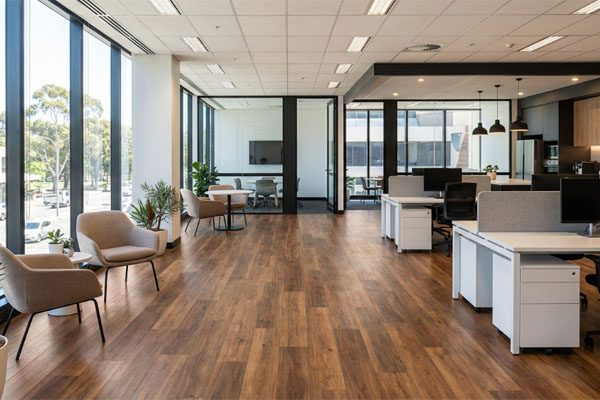
Layout direction changes spatial flow by determining which “axis” of the room the eye prioritizes first. Even with standard LVT Tile Sizes, rotating the layout by 45 degrees can make a room feel wider by emphasizing its diagonal width.
It’s all about the angle. A diagonal line is always longer than a straight one within the same four walls.
Why Diagonal Layouts Defy Room Boundaries?
Diagonal layouts defy boundaries because they lead the gaze into the corners of the room rather than the walls. This tricks the eye into seeing the room’s maximum possible dimension, which is the hypotenuse.
- Breaks the “box” feeling
- Adds a sense of movement
- Hides walls that aren’t perfectly square
- Creates a custom, high-end look
While this requires more cuts and waste, the spatial payoff for a B2B project is often worth the extra material.
Does Light Direction Influence Your Floor Choice?
Light direction should influence your choice because planks laid parallel to incoming light sources can hide seams and highlight the floor’s natural texture. Conversely, perpendicular planks can emphasize shadows and depth in the grain.
Layout Direction Tactics Summary
| Layout Type | Spatial Benefit | Complexity Level |
|---|---|---|
| Straight | Clean, predictable | Standard |
| Diagonal | Widens narrow spaces | High (more waste) |
| Herringbone | Luxury, movement | High (premium look) |
Analysis: The orientation of the tile is just as critical as its size; diagonals and herringbone patterns add luxury and a sense of width.
Key Takeaway: Use diagonal or angled layouts to break the rigid boundaries of a small room and create a more dynamic, expansive feeling.
10. Which Size Best Fits Your Business Goals?
The size that best fits your goals depends on the balance between visual impact, your project budget, and the speed of installation. Selecting the right LVT Tile Sizes ensures that you meet both the aesthetic expectations of the client and the financial goals of your business.
Let’s be honest. In the B2B world, time is money, and the right tile size can significantly impact your bottom line.
How Does Tile Size Impact Installation Speed?
Tile size impacts speed because larger formats cover more square footage with fewer individual “placements” and joins. For massive commercial builds, using oversized 18″x36″ tiles can cut installation time down significantly.
- Fewer pieces to handle
- Fewer seams to align
- Faster coverage of open plans
- Less adhesive waste per square meter
However, you must account for the fact that larger tiles may require more precise subfloor preparation to prevent cracking.
Balancing Design Vision with Wholesale Budgets?
Balancing vision with budget involves choosing standard sizes that offer high-end looks without the premium price tag of custom dimensions. Adasea Flooring provides a range of high-performance LVT that gives you that “luxury” perception at factory-direct pricing.
Decision Matrix for B2B Buyers Summary
| Project Priority | Recommended Size | Manufacturer Benefit |
|---|---|---|
| Speed/Cost | Large Format Planks | Fewer pieces to lay |
| Detailed Design | Small Square/Mosaic | Higher customization |
| Premium Luxury | Oversized 18×36 Tiles | High-end visual impact |
Analysis: The most successful B2B projects align the physical tile size with the specific constraints of the project’s timeline and budget.
Key Takeaway: Large-format tiles offer the best balance of installation speed and modern aesthetics, making them the top choice for most commercial B2B contracts.
FAQ: Mastering Spatial Perception with LVT
- Can I use large tiles in a very small bathroom? Yes, because larger tiles mean fewer grout lines, which reduces the “cluttered” feeling and actually makes small bathrooms appear more spacious.
- What’s the best size for a long, narrow hallway? The best choice is a rectangular plank (like 12″x24″) laid parallel to the longest wall to emphasize depth and create a continuous flow.
- Does the color of the tile change the perception of size? Absolutely; lighter colors reflect more light and make a room feel airier, while darker tones in the same tile size will feel more intimate and grounded.
- Is there more waste when installing larger LVT tiles? Generally, yes, because larger tiles require more substantial cuts at the room edges, so you should budget for roughly 10-15% waste.
- Can I mix square and rectangular tiles on the same floor? You can, and it is a highly effective way to zone different functional areas without using physical partitions or walls.
At Adasea Flooring, our vision is to empower global B2B partners with precision-engineered flooring that transforms architectural challenges into spatial triumphs. Whether you are aiming for the grand continuity of large-format slabs or the detailed intimacy of traditional patterns, our manufacturing excellence ensures your vision is realized with uncompromising quality. To discuss custom dimensions, wholesale pricing, or to request samples for your next major project, please contact us today .