
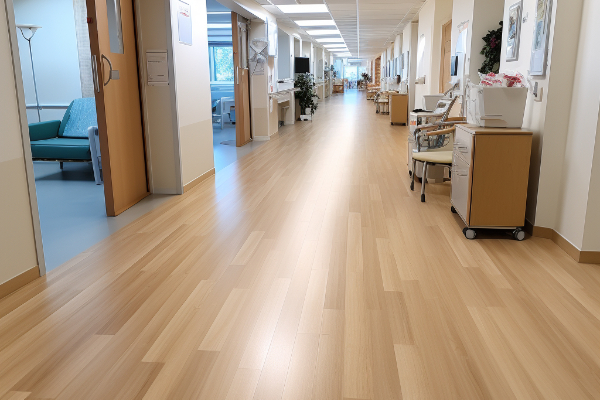
Hybrid flooring solutions offer the ideal blend of durability, aesthetic appeal, and budget-friendly pricing for modern high-density developments. As a developer, you face the constant pressure of rising material costs and tight construction schedules while trying to maintain high standards. Cheap materials often lead to costly repairs and tenant complaints, yet premium options can quickly erode your project’s profit margins. Choosing the right Flooring for Multi-Residential Builds allows you to deliver a luxury feel without the premium price tag or long-term maintenance headaches.
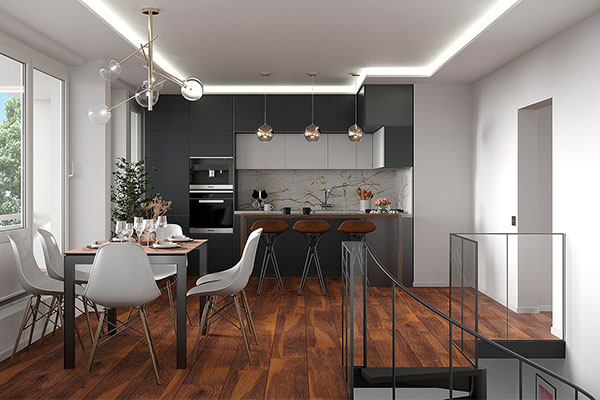
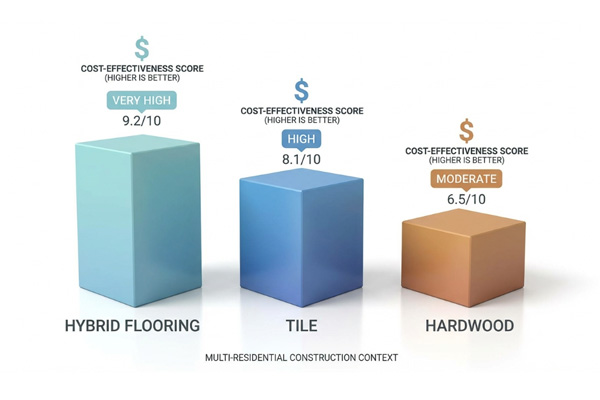
Why is hybrid flooring considered the most cost-effective option today?
Hybrid flooring is the most cost-effective choice because it combines the durability of laminate with the waterproof nature of vinyl in a single, affordable product. Selecting the right Flooring for Multi-Residential Builds ensures that you reduce both upfront material costs and long-term replacement cycles. This material is designed to withstand the rigors of high-traffic environments while maintaining a high-end appearance.
Reducing Total Cost of Ownership
Think about this: the initial price of the material is only one part of the equation. Hybrid flooring minimizes the need for specialized cleaners and frequent repairs that plague other materials. You save money by avoiding the labor-intensive sanding and polishing required for real timber.
- Lower material costs compared to engineered wood.
- Minimal specialized maintenance required over time.
- High resistance to common apartment damage like scratches.
Key Takeaway: Choosing hybrid flooring significantly lowers the total cost of ownership by reducing maintenance and replacement frequency.
| Metric | Hybrid Flooring | Traditional Timber | |
|---|---|---|---|
| Upfront Cost | Low to Moderate | High | |
| Maintenance Need | Very Low | High | |
| Lifespan | 20+ Years | Variable |
How does the durability of SPC cores benefit high-density living?
The Stone Polymer Composite (SPC) core provides an incredibly stable and dense base that resists heavy impacts and temperature fluctuations better than traditional alternatives. When you specify Flooring for Multi-Residential Builds, the core density determines how well the floor handles the weight of heavy furniture. This rigid core technology prevents the “telegraphing” of minor subfloor imperfections.
Impact and Pressure Resistance
The best part? These floors do not dent easily when residents move furniture or drop heavy items. This is essential in multi-residential settings where tenant turnover can lead to significant wear and tear.
- High-density stone composite core.
- Resistance to indentation from heavy loads.
- Stability in various climate conditions.
Key Takeaway: The SPC core provides unmatched stability and impact resistance, making it perfect for the unpredictable nature of rental environments.
| Feature | SPC Core Benefit | Impact on Build | |
|---|---|---|---|
| Density | High resistance to dents | Better for furniture | |
| Stability | No expansion or contraction | Fewer floor failures | |
| Rigidity | Masks subfloor issues | Faster preparation |
Can hybrid flooring significantly reduce your installation timelines?
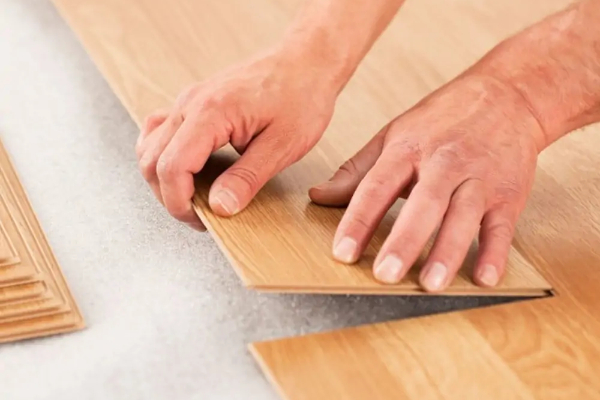
Yes, the click-lock mechanism and lack of need for intensive floor-leveling underlayment allow for rapid installation that can save days on your construction schedule. Using this Flooring for Multi-Residential Builds means your team can finish units faster and move to the next phase of the project. This speed directly translates to lower labor costs and earlier project completion.
Simplifying the Installation Process
But wait, there is more. Because many hybrid planks come with pre-attached underlayment, your installers skip an entire step in the process. This “floating floor” system requires no glue or nails, reducing the mess and drying time on-site.
- Rapid click-lock joining systems.
- Pre-attached acoustic underlayment.
- No adhesive drying time required.
Key Takeaway: Accelerated installation timelines allow for faster project handovers and significantly reduced labor expenses.
| Installation Step | Traditional Vinyl | Hybrid Flooring | |
|---|---|---|---|
| Subfloor Prep | Extensive | Minimal | |
| Adhesive Use | Required | Not Required | |
| Walk-on Time | 24-48 Hours | Immediate |
What are the primary acoustic benefits for multi-story apartments?
Hybrid flooring is specifically engineered to meet strict multi-story noise regulations by incorporating advanced acoustic dampening layers. When planning Flooring for Multi-Residential Builds, managing impact noise between floors is a legal and comfort requirement. High-quality hybrid options often achieve the necessary star ratings for acoustic performance without extra cost.
Meeting Acoustic Standards
Let’s face it: noise complaints are one of the biggest issues in apartment living. Most hybrid products include an integrated IXPE foam or cork backing that absorbs sound waves effectively.
- Integrated acoustic backing for noise reduction.
- Compliance with multi-residential building codes.
- Reduction in footfall noise transmission.
Key Takeaway: Integrated acoustic layers ensure your build meets building codes while providing a quiet living environment for residents.
| Acoustic Factor | Benefit to Resident | Compliance | |
|---|---|---|---|
| Impact Sound | Quieter footsteps | High Rating | |
| Airborne Sound | Reduced voice transfer | Moderate Rating | |
| Underlayment | Built-in dampening | Standard |
How does water resistance impact long-term property management costs?
A 100% waterproof construction ensures that common household spills or appliance leaks do not cause structural damage or require floor replacement. Investing in this Flooring for Multi-Residential Builds protects your assets from the inevitable accidents that occur in high-occupancy buildings. You can use the same flooring throughout living areas and kitchens for a seamless look.
Preventing Moisture Damage
Here is why: unlike laminate or timber, hybrid planks will not swell or warp when exposed to moisture. This eliminates the need for expensive remediation after a minor leak from a dishwasher or washing machine.
- 100% waterproof surface and core.
- No swelling or buckling from moisture.
- Ideal for kitchens and laundry areas.
Key Takeaway: Total water resistance eliminates the risk of moisture-related flooring failures and reduces insurance claims.
| Damage Type | Laminate Result | Hybrid Result | |
|---|---|---|---|
| Surface Spills | Potential Swelling | No Effect | |
| Major Leaks | Replacement Needed | Easy Cleanup | |
| Humidity | Expansion Issues | Stable |
Why is slip resistance a critical factor for communal residential areas?
Slip resistance is vital for preventing accidents in common hallways, entryways, and shared kitchenettes within a multi-residential complex. When choosing Flooring for Multi-Residential Builds, you must prioritize safety to limit liability and ensure tenant well-being. Modern hybrid floors are manufactured with textured surfaces that provide excellent grip even when wet.
Enhancing Resident Safety
The bottom line? A higher slip rating protects the property owner from potential legal disputes arising from falls. You should look for products with verified P3 or P4 slip ratings for all public zones.
- Textured surface for increased traction.
- High slip-resistance ratings for safety.
- Durable wear layers that maintain grip over time.
Key Takeaway: Prioritizing slip-resistant flooring reduces liability risks and increases the overall safety of the residential community.
| Area Type | Required Safety | Hybrid Performance | |
|---|---|---|---|
| Living Rooms | Standard | Excellent | |
| Hallways | High | Superior | |
| Kitchens | High | Certified |
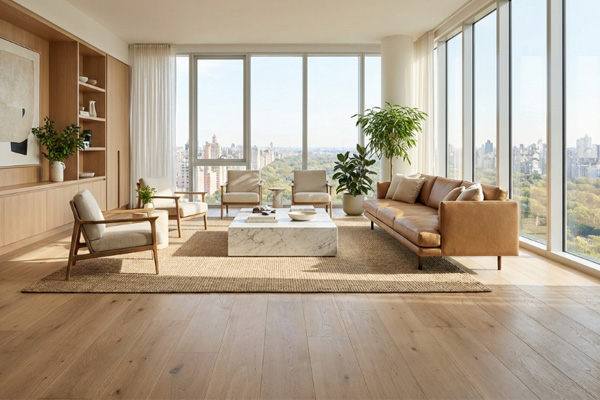
Can low-VOC materials improve the marketability of your development?
Using low-VOC (Volatile Organic Compound) flooring improves indoor air quality, which has become a major selling point for health-conscious modern tenants. Specifying this Flooring for Multi-Residential Builds helps your project qualify for green building certifications. This environmental focus can allow you to command higher rents or sale prices.
Improving Indoor Air Quality
Wait, there is more. Low-VOC products are safer for families with children and pets, which broadens your potential tenant pool. These materials are manufactured without harmful phthalates or formaldehyde.
- Low chemical emissions for better air.
- Phthalate-free and formaldehyde-free.
- Contributes to Green Star or LEED points.
Key Takeaway: Sustainable and low-emission materials enhance the health of the building and its market value.
| Factor | Low-VOC Hybrid | Standard Vinyl | |
|---|---|---|---|
| Air Quality | High | Variable | |
| Health Safety | Certified | Unknown | |
| Eco-Rating | High | Low |
How does the aesthetic variety of hybrid flooring appeal to tenants?
Modern hybrid flooring uses high-definition printing technology to perfectly replicate the look and feel of natural oak, hickory, and other premium hardwoods. In the context of Flooring for Multi-Residential Builds, aesthetics play a massive role in a tenant’s first impression of the space. You can achieve a luxury timber look at a fraction of the cost of real wood.
Versatile Design Options
Essentially, you can choose from a wide range of colors and textures to match any interior design theme. From minimalist light oaks to deep, rustic walnuts, the options are virtually endless.
- High-definition timber grain patterns.
- Embossed-in-register textures for a real feel.
- Wide-plank formats for a modern aesthetic.
Key Takeaway: The visual appeal of hybrid flooring allows developers to create high-end interiors that attract premium tenants.
| Design Element | Hybrid Capability | Visual Impact | |
|---|---|---|---|
| Texture | Realistic Grain | High | |
| Color Range | 50+ Options | Diverse | |
| Plank Size | Wide & Long | Luxury Feel |
What role does direct manufacturer sourcing play in project budgeting?
Sourcing directly from a manufacturer allows you to bypass middleman markups and secure much better pricing for large-scale multi-residential projects. When purchasing Flooring for Multi-Residential Builds , volume discounts can make a massive difference in your final budget. Direct sourcing also ensures better quality control and more consistent batch colors across hundreds of units.
Maximizing Your Budget
Simply put, your dollar goes much further when you deal directly with the factory. This relationship also allows for custom OEM specifications if your project has unique technical requirements.
- Direct wholesale pricing for developers.
- Consistent quality across large batches.
- Custom manufacturing options for specific needs.
Key Takeaway: Factory-direct sourcing is the most effective way to maximize your project’s ROI without sacrificing material quality.
| Sourcing Route | Price Point | Quality Control | |
|---|---|---|---|
| Retail Store | High | Variable | |
| Wholesaler | Moderate | Standard | |
| Manufacturer | Lowest | High |
How do you choose the right specification for your next build?
Choosing the right specification involves balancing the wear layer thickness, acoustic ratings, and core density against your specific project budget. For Flooring for Multi-Residential Builds, a 0.5mm wear layer is typically the industry standard for durability in rental units. You must also ensure the product meets the specific fire and slip ratings required by local building codes.
Determining Project Needs
In other words, you shouldn’t just buy the cheapest option available on the market. You need to verify that the technical data sheets align with your architectural specifications.
- 0.5mm wear layer for commercial durability.
- Verified acoustic and fire safety certificates.
- Appropriate slip rating for communal zones.
Key Takeaway: Careful technical specification ensures that the flooring performs well for decades while remaining fully compliant with safety laws.
| Specification | Recommended | Purpose | |
|---|---|---|---|
| Wear Layer | 0.5mm+ | Scratch protection | |
| Acoustics | 5-Star Rated | Noise control | |
| Thickness | 6mm – 8mm | Structural feel |
Strategic Summary
Implementing cost-effective hybrid flooring is a strategic move for any developer looking to optimize their multi-residential projects. By combining speed of installation, 100% water resistance, and superior acoustic performance, these floors solve the most common challenges in high-density living. To ensure you get the highest quality materials at the best possible price, it is essential to partner with a reliable supplier. Please contact us today to discuss your project requirements and receive a tailored quote for your next development.
Frequently Asked Questions
Can I install hybrid flooring in bathrooms?While hybrid flooring is 100% waterproof, we generally recommend it for kitchens, laundries, and living areas. For full bathrooms, you should check your local building codes regarding wet area membranes.
Is hybrid flooring better than laminate for rentals?Yes, hybrid flooring is superior for rentals because it is waterproof and more impact-resistant. Laminate can swell if a tenant leaves a spill, leading to expensive repairs.
How do I clean hybrid floors in a large complex?Cleaning is simple and requires only a damp mop and a pH-neutral cleaner. There is no need for waxing, polishing, or heavy-duty chemical treatments.
Can hybrid flooring be installed over existing tiles?Yes, provided the tiles are flat and securely bonded to the subfloor. The rigid SPC core is excellent at hiding minor grout lines and imperfections.
What is the average lifespan of hybrid flooring?In a multi-residential environment, high-quality hybrid flooring can easily last 20 years or more with basic care. This long lifespan provides excellent value for property owners.