
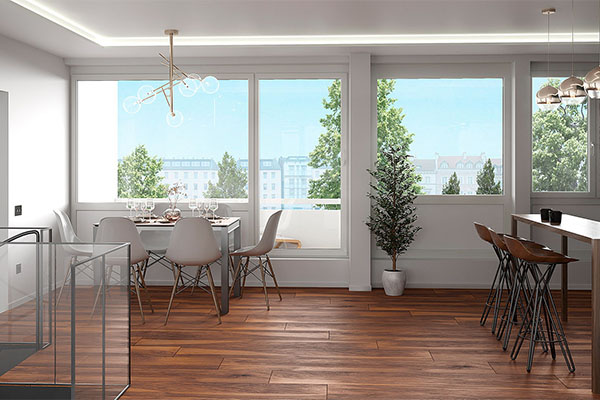
Acoustic Rated Hybrid Flooring is a multi-layered flooring solution engineered specifically to dampen impact sound transmission between floors in multi-residential buildings while meeting strict National Construction Code (NCC) standards. Acoustic Rated Hybrid Flooring serves as the ultimate barrier against noise complaints and structural vibrations in modern high-rise living. Choosing the right materials ensures long-term compliance and peace of mind for both developers and residents alike.
Imagine moving into your dream penthouse only to be woken up at 2 AM by the sharp “click-clack” of your neighbor’s heels upstairs. This constant noise creates immediate friction between tenants and can even lead to costly legal disputes or forced floor removals due to non-compliance with building regulations. Fortunately, there is a specialized way to silence these issues and satisfy strata requirements simultaneously.
1. What is Acoustic Rated Hybrid Flooring and Why Does It Matter?
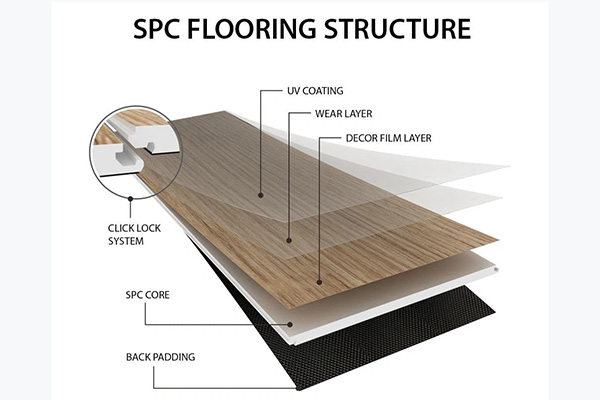
Acoustic Rated Hybrid Flooring is a sophisticated floor covering that combines the waterproof nature of vinyl with the rigidity of stone composite and a pre-attached acoustic underlay. By integrating these layers, the flooring effectively absorbs kinetic energy from footsteps or dropped objects before the sound travels through the concrete slab.
How does the multi-layer construction work?
The core of this technology lies in the Stone Plastic Composite (SPC) layer which provides a dense foundation that resists sound vibration. But here’s the kicker… even the strongest core needs a soft backing to truly decouple the floor from the building’s structure.
- UV coating protects the visual layer from fading.
- A wear layer provides heavy-duty commercial durability.
- The IXPE or EVA foam backing acts as the primary sound dampener.
Why should apartment owners care about acoustic ratings?
Strata committees and the NCC have set specific Decibel (dB) limits to ensure a reasonable quality of life for all inhabitants. What’s the real story? If your flooring doesn’t meet the specified L’nT,w + Ci rating, you might be legally required to rip it all out.
- Higher ratings mean better sound insulation between levels.
- Compliance prevents future disputes with neighbors or management.
- Quiet floors significantly increase the resale value of a property.
| Feature | Standard Hybrid | Acoustic Rated Hybrid |
| Core Material | SPC or LVT | High-Density SPC |
| Underlay | Optional/Thin | Integrated High-Performance IXPE |
| Noise Reduction | Minimal | High (Meets NCC Standards) |
| Waterproof | Yes | Yes |
High-performance backings ensure that sound stays in your room rather than visiting your neighbor downstairs.
Key Takeaway: Understanding the technical layers helps you choose a floor that satisfies both your aesthetic desires and strict legal noise requirements.
2. How Does Acoustic Rated Hybrid Flooring Meet NCC Requirements?
Acoustic Rated Hybrid Flooring meets NCC requirements by achieving an L’nT,w rating of 62 or lower, which is the standard measure for impact sound insulation in Australia. These regulations exist to mitigate the “drum effect” often associated with hard flooring surfaces in shared buildings.
What are the specific NCC standards for impact sound?
The NCC focuses on how much sound is transmitted through a floor/ceiling system to the room below. Ready for the good part? Most modern hybrid floors are designed to exceed these baseline requirements to ensure they pass on-site testing.
- L’nT,w measures the weighted standardized impact sound pressure level.
- Lower numbers indicate better performance and less noise.
- Verification often requires certificates from accredited laboratory testing.
Why is on-site testing different from lab results?
Laboratory tests occur in “perfect” environments, but your apartment building has its own unique structural variables. This is where it gets interesting… even the best flooring can fail if the subfloor or installation method is sub-par.
- The thickness of the concrete slab impacts the final result.
- Suspended ceilings in the unit below can further dampen noise.
- Correct perimeter sealing prevents “flanking” noise from bypassing the floor.
| Rating Type | Description | Target Value |
| L’nT,w | On-site impact sound measurement | < 62 dB (Lower is better) |
| Rw + Ctr | Airborne sound insulation (voices, TV) | > 50 dB (Higher is better) |
| Delta Lw | The “improvement” the floor provides | > 20 dB |
Achieving these numbers requires a balance of mass in the core and cushion in the backing.
Key Takeaway: Always verify that your chosen product has a valid test report to avoid non-compliance issues with your strata.
3. Can You Install Acoustic Rated Hybrid Flooring in Wet Areas?
Acoustic Rated Hybrid Flooring is 100% waterproof, making it a perfect candidate for kitchens and laundry areas where noise reduction is also needed. Because it doesn’t swell or contract like timber, it maintains its acoustic integrity even in humid conditions.
Is the acoustic backing moisture resistant?
The IXPE foam used in many high-end hybrid floors is closed-cell, meaning it won’t absorb water or harbor mold. You might be wondering… if the water gets under the planks, will the sound-dampening properties change?
- Closed-cell foam remains stable even when exposed to spills.
- The click-lock system creates a tight seal against surface water.
- Antimicrobial treatments prevent growth beneath the floor.
Does heavy cabinetry affect sound performance?
Placing heavy appliances or kitchen islands directly on top of floating floors can “pin” them down, potentially creating noise bridges. Here’s the deal… you should plan your layout to ensure the floor can still expand and contract freely.
- Install cabinets before the flooring where possible.
- Use transition strips around heavy fixed objects.
- Ensure the underlay is not over-compressed by excessive weight.
| Metric | Kitchen Environment | Result for Hybrid |
| Waterproof | High Exposure | No Damage +2 |
| Stain Resistance | Food/Oil Spills | High (UV Coating) +1 |
| Acoustic Performance | Appliance Vibration | Effective Dampening +2 |
Waterproof features combined with sound absorption make hybrid the most versatile choice for modern apartments.
Key Takeaway: You don’t have to sacrifice silence for functionality; hybrid floors provide both in high-moisture zones.
4. Why Is Professional Installation Vital for Acoustic Performance?
Professional installation of Acoustic Rated Hybrid Flooring ensures that the acoustic “envelope” is never broken by poor fitting or incorrect subfloor preparation. Even a small gap or a “hard-contact” point against a wall can transfer sound through the entire building.
What happens if the subfloor is uneven?
An uneven subfloor creates air pockets which act like a drum, amplifying the sound of every footstep. It’s no secret… that grinding or leveling the concrete is the most important step before a single plank is laid.
- High spots must be ground down to a flat finish.
- Low spots need to be filled with self-leveling compound.
- A flat surface ensures the acoustic backing makes 100% contact.
How do expansion gaps affect sound?
Leaving a proper gap around the perimeter isn’t just for expansion; it prevents the flooring from touching the walls directly. Check this out… if the floor touches the wall, the sound “travels” through the wall instead of being absorbed by the underlay.
- Standard 8-10mm gaps should be maintained everywhere.
- Acoustic caulking can be used to fill gaps for extra insulation.
- Skirting boards should be installed slightly above the floor level.
| Installation Step | Impact on Sound | Importance |
| Subfloor Leveling | Prevents “clacking” noises | Critical |
| Expansion Gaps | Decouples floor from walls | High |
| Perimeter Sealing | Stops flanking noise | Medium |
Precision in the preparation phase is the difference between a passed and failed acoustic test.
Key Takeaway: Investing in professional installers who understand acoustic decoupling will save you from neighbor complaints and costly remediations.
5. Is the Thickness of Hybrid Flooring Related to Noise Reduction?
While it’s a common myth that thicker is always better, the acoustic performance of Acoustic Rated Hybrid Flooring depends more on the density of the core and the quality of the backing. A 7mm plank with a high-quality IXPE backing often outperforms a 10mm plank with a cheap foam layer.
Does a thicker core stop more noise?
A thicker SPC core adds mass, which is excellent for blocking airborne noise like loud talking or music. But wait, there’s more… mass alone does very little to stop the impact of a hard object hitting the floor.
- Density (kg/m3) is more important than raw thickness in mm.
- High-density cores provide a more “solid” feel underfoot.
- Thicker planks generally offer more stable click-lock joints.
What is the role of the integrated underlay thickness?
The underlay is the “suspension” system of your floor, and its thickness determines how much “travel” it has to absorb shocks. Let’s dive deeper… an underlay that is too thick can actually make the floor feel bouncy and damage the joints.
- 1.5mm to 2mm is the industry standard for integrated backings.
- Higher-density foam provides better long-term “rebound.”
- The underlay must be firm enough to support the click system.
| Component | Standard Thickness | Acoustic Role |
| SPC Core | 4mm – 6mm | Blocks Airborne Noise |
| IXPE Backing | 1.0mm – 2.0mm | Absorbs Impact Noise |
| Wear Layer | 0.5mm | Reduces Surface “Click” |
Balance is key—too much cushion ruins the locks, while too little causes noise.
Key Takeaway: Look for the density and laboratory test results rather than just choosing the thickest plank on the shelf.
6. How Does Acoustic Rated Hybrid Flooring Compare to Other Options?
When compared to carpet or traditional timber, Acoustic Rated Hybrid Flooring offers a unique middle ground of high durability and significant sound dampening. It provides the “hard floor” look that modern buyers want without the “loud” reputation of laminate or hardwood.
Is it quieter than laminate flooring?
Laminate is notorious for being “loud” and “tinny” because it often lacks an integrated acoustic layer. Here is the deal… hybrid’s stone-based core is much denser than laminate’s wood-fiber core, naturally deadening more sound.
- Hybrid doesn’t have the “hollow” sound when walked on.
- The pre-attached underlay ensures no gaps in the sound barrier.
- Hybrid is significantly more stable in high-humidity environments.
How does it perform against luxury vinyl tiles (LVT)?
While LVT is also quiet, it is often much thinner and requires a glue-down installation which may transfer more vibration to the slab. What’s the catch? Hybrid flooring offers a floating installation that naturally creates a “break” between the floor and the building.
- Hybrid bridges minor subfloor imperfections better than LVT.
- The rigid core of hybrid prevents “telegraphing” of slab joints.
- Hybrid generally reaches higher acoustic dB ratings than standard LVT.
| Material | Noise Level | Durability | Installation |
| Carpet | Very Low | Low | Glue/Staple |
| Hybrid | Low | High | Floating Click |
| Laminate | High | Medium | Floating Click |
| Hardwood | Medium/High | High | Nail/Glue |
Hybrid floors offer the best of both worlds: the beauty of wood and the silence of a premium system.
Key Takeaway: If you want a hard surface in an apartment, hybrid is the most strata-friendly option available today.
7. Can You Save Money with Acoustic Rated Hybrid Flooring?
Investing in Acoustic Rated Hybrid Flooring can actually save you a significant amount of money by eliminating the need for separate underlay purchases and reducing installation time. Furthermore, it protects you from the massive financial risk of non-compliance fines.
Are integrated underlays more cost-effective?
Buying a separate high-performance acoustic underlay can be very expensive and doubles the labor cost of laying the floor. Believe it or not… having the backing pre-attached at the factory is much cheaper due to economies of scale.
- One product means one installation pass.
- No need to tape or glue down separate underlay rolls.
- Less waste on site as the backing is perfectly sized for each plank.
What is the long-term ROI of acoustic flooring?
Quiet apartments are in higher demand and command better rental yields and higher sale prices. The best part? You won’t have to pay for acoustic consultants or legal fees to settle noise disputes with disgruntled neighbors.
- Reduces the risk of tenant turnover due to noise complaints.
- Durable wear layers mean the floor won’t need replacing for years.
- Low maintenance requirements reduce the lifetime cost of ownership.
| Cost Factor | Separate Underlay + Floor | Acoustic Rated Hybrid |
| Material Cost | High (Two Items) | Medium (All-in-one) |
| Labor Cost | Double | Standard |
| Risk of Failure | High (Installation Error) | Low (Factory Applied) |
Cutting corners on acoustics usually leads to much higher costs down the road.
Key Takeaway: Integrated acoustic solutions provide the most value for money by simplifying the supply chain and installation.
8. What are the Aesthetics of Modern Acoustic Rated Hybrid Flooring?
You don’t have to settle for “utility” looks just because you need Acoustic Rated Hybrid Flooring for compliance. Modern digital printing technology allows for stunningly realistic wood and stone patterns that are indistinguishable from the real thing.
Can I get custom colors to match my design?
Many top-tier manufacturers offer custom color runs to match specific architectural visions or regional trends. Ready for the good part? You can achieve the look of rare French Oak or industrial concrete without the acoustic or maintenance nightmares.
- High-definition visuals mimic natural grain patterns.
- Embossed-in-register (EIR) textures provide a tactile wood feel.
- Custom lengths and widths are often available for large projects.
How do I maintain the “new” look over time?
Acoustic hybrid floors are designed with a heavy-duty wear layer that resists scratches from pets and furniture. It’s easier than you think… a simple damp mop is usually all that’s required to keep the floor looking pristine.
- The UV coating prevents yellowing from sunlight exposure.
- No waxing or sanding is ever required.
- The rigid core prevents the floor from looking “wavy” over time.
| Aesthetic Feature | Benefit | Result |
| EIR Texture | Real Wood Feel | Luxury Appeal |
| Large Formats | Fewer Gaps | Modern Look |
| Matte Finish | Hides Scratches | High Durability |
Design-conscious buyers can now have it all: beauty, durability, and silence.
Key Takeaway: Acoustic performance no longer means compromising on the visual appeal of your luxury apartment interior.
9. Is Acoustic Rated Hybrid Flooring Environmentally Friendly?
Many homeowners are concerned about indoor air quality, and high-quality Acoustic Rated Hybrid Flooring is built to be low in VOCs (Volatile Organic Compounds). Because it uses stable minerals and virgin polymers, it doesn’t off-gas like some cheaper alternatives.
Are the materials recyclable?
The Stone Plastic Composite core is 100% recyclable, making it a more sustainable choice than some multi-material laminates. What’s the real story? Choosing a floor that lasts 20 years instead of 5 is the ultimate way to reduce environmental impact.
- Many brands use a percentage of recycled materials in their base layers.
- Floating installation requires no toxic adhesives or glues.
- The longevity of the product reduces landfill waste over time.
Does it improve energy efficiency?
The integrated acoustic layer also acts as a thermal insulator, helping to keep your home warmer in winter and cooler in summer. But here’s the kicker… this minor insulation can lead to noticeable savings on your electricity bill over a decade.
- Reduces thermal transfer through the concrete floor.
- Makes the floor feel warmer underfoot than tiles.
- Works effectively with underfloor heating systems.
| Eco-Factor | Performance | Impact |
| VOC Emissions | Low/Zero | Better Air Quality |
| Recyclability | High (SPC Core) | Lower Footprint |
| Thermal Mass | Good | Energy Savings |
Sustainable choices are becoming a mandatory part of modern B2B procurement and development.
Key Takeaway: Choosing a high-quality acoustic floor is a vote for both your long-term comfort and the health of the planet.
10. How to Verify You Are Getting Genuine Acoustic Rated Hybrid Flooring?
With many suppliers in the market, it’s critical to verify that the Acoustic Rated Hybrid Flooring you buy actually possesses the certificates it claims to have. “Certificate fraud” is a real issue that can leave developers with non-compliant buildings and huge liabilities.
What documents should I ask for?
A reputable supplier should be able to provide laboratory test results from an accredited body (like CSIRO or similar). Don’t be shy… asking for the specific batch test report ensures that the product being delivered is the same as the one tested.
- ISO certificates for manufacturing quality.
- FloorScore or GreenGuard certificates for air quality.
- Specific L’nT,w test results for your building type.
How can I spot a “fake” acoustic floor?
Often, cheap floors will have a thin, recycled foam backing that looks similar to high-quality IXPE but lacks the same density. Here is the deal… if the price seems too good to be true, the manufacturer is likely cutting corners on the acoustic backing.
- Check the density of the backing by trying to compress it with your nail.
- Look for “Verified Supplier” status on B2B platforms like Alibaba.
- Request a physical sample to compare against the technical datasheet.
| Document Needed | Purpose | Verified by |
| Acoustic Test Report | Proves dB reduction | Accredited Lab |
| VOC Certificate | Ensures air safety | GreenGuard/FloorScore |
| Factory Audit | Proves manufacturing capacity | 3rd Party Inspector |
Due diligence is the only way to protect your investment in multi-residential development.
Key Takeaway: Always prioritize transparency and verified certifications over the lowest possible price point to ensure long-term success.
[Image showing a checklist for verifying acoustic flooring certifications]
This comprehensive guide has covered everything from the technical mechanics of noise reduction to the legal necessity of meeting NCC standards in modern apartments. By choosing a high-quality, acoustic-rated hybrid solution, you solve the dual problem of aesthetic appeal and structural compliance. Our mission is to bridge the gap between high-performance manufacturing and the specific needs of the Western apartment market. If you are ready to secure your next project with flooring that guarantees silence and style, we invite you to contact us today for a tailored consultation.
FAQ
Q1: Can I install this flooring myself to save money? Yes, you can install it yourself, but it is not recommended for apartments. Incorrect installation can bridge sound to the walls and cause you to fail mandatory acoustic tests, potentially costing you thousands in remediation.
Q2: What’s the best way to clean my acoustic hybrid floor? The best way is to use a damp microfiber mop with a pH-neutral cleaner. Avoid using steam mops or harsh chemicals, as they can eventually damage the protective UV coating and the watertight seals between the planks.
Q3: How do I know if my strata will approve a specific product? You should request the acoustic test certificate from the supplier and submit it to your strata committee before purchasing. Most committees require a minimum L’nT,w rating of 62 or lower to grant approval for hard flooring.
Q4: Can I use this flooring over an existing tiled floor? Yes, you can, provided the tiles are flat and securely bonded. However, the extra height may affect your doors, and any unevenness in the grout lines must be leveled to prevent the “drumming” sound effect.
Q5: How long does the acoustic performance last? High-quality IXPE backing is designed to last the entire lifespan of the floor. Because it is a closed-cell foam, it won’t break down or lose its “spring” over time, ensuring your apartment stays quiet for decades.