
You can successfully audit a facility for Importing LVT from China without stepping foot on a plane by combining rigorous documentary due diligence, high-definition live video walkthroughs, and third-party verification services. Many B2B distributors struggle with the uncertainty of sourcing from thousands of miles away, fearing that the glossy samples they receive don’t reflect actual mass production. This lack of oversight often leads to costly quality discrepancies, such as bad milling or toxic VOC levels, which can devastate your brand reputation and bottom line. Fortunately, modern remote auditing protocols provide a transparent, cost-effective solution that allows you to vet Importing LVT from China with total confidence.

Why prioritize importing LVT from China for supply?
Choosing this region allows you to access unmatched manufacturing scale and advanced printing technology at a competitive price point. When you are Importing LVT from China, you benefit from an integrated supply chain that places raw material providers and flooring factories in close proximity. This infrastructure reduces lead times and allows for rapid innovation in textures like in-register embossing.
Accessing Advanced Printing Tech
The region leads the world in digital printing capabilities that mimic natural wood and stone. High-definition decorative layers are essential for high-end commercial projects.
Look: Traditional vinyl often looks artificial, but modern Chinese production uses digital tech to create hyper-realistic visuals.
- Digital printing for precise grain matching.
- In-register embossing for tactile realism.
- Wide variety of decor patterns available.
Scalability and Capacity
Factories in this hub can handle massive volume shifts that most other regions cannot match. You can scale from small residential orders to large-scale commercial contracts seamlessly.
The best part? You don’t have to wait months for a production slot if you pick the right partner.
- High-speed extrusion lines for SPC and WPC.
- Automated packaging for consistent shipping.
- Large warehouse space for batch holding.
Finalizing the Strategic Choice
Success depends on identifying a partner that balances technical innovation with rigorous quality standards. Ensure you compare factory specializations before signing contracts.
Key Takeaway: Leveraging specialized infrastructure allows you to scale your product catalog with cutting-edge designs at a lower landed cost.
| Benefit | Impact on You |
|---|---|
| Manufacturing Scale | Reliable fulfillment of large commercial orders. |
| Technology | Access to realistic EIR and digital print layers. |
| Cost Efficiency | Lower unit prices through integrated local supply chains. |
Distributors who prioritize these technical advantages maintain a significant edge in competitive local markets.
Can you start importing LVT from China without site visits?
Yes, you can effectively vet a manufacturer using digital documentation and live video verification tools from your own office. Remote audits for Importing LVT from China have become a standard industry practice due to the rise of high-definition streaming and third-party inspection firms. By following a structured protocol, you can see every corner of the production line in real-time.
Defining Audit Goals
Before you start the call, you must define exactly which production stages you need to see. This prevents the factory from only showing you a “showroom” version of their operations.
Think about it: An audit is only as good as the questions you ask and the areas you insist on viewing.
- Inspect raw material storage for virgin PVC.
- View the mixing and extrusion machinery.
- Check the quality control testing lab on-site.
Utilizing Third-Party Proxies
If you feel uncomfortable conducting the tour yourself, you can hire local inspection agents to act as your eyes. These professionals provide detailed reports that include photos, videos, and objective grading.
Wait, there’s more: A third-party agent can visit the factory unannounced to ensure you are seeing a typical workday.
- Professional grading of factory cleanliness.
- Objective measurement of machinery age.
- Independent verification of worker safety.
Establishing Remote Trust
Building a relationship with your supplier doesn’t require a physical handshake if you maintain transparent communication. Consistent updates and shared documentation create a foundation of accountability.
Key Takeaway: Remote protocols provide a transparent, cost-effective solution for vetting suppliers without the expense of international travel.
| Audit Tool | Purpose |
|---|---|
| Live Video | Real-time inspection of the production floor. |
| Cloud Docs | Instant access to QC manuals and logs. |
| Agent Reports | Objective third-party grading of operations. |
Technology has closed the gap between overseas buyers and manufacturers, making physical presence optional for initial vetting.
How to verify licenses when importing LVT from China?
You must use the National Enterprise Credit Information Publicity System (NECIPS) to confirm the factory is a legitimate manufacturer and not a middleman. When Importing LVT from China, checking the “Business Scope” on the license is the fastest way to see if they are authorized for Importing LVT from China production or just general sales. Genuine factories will list “Production” or “Manufacturing” clearly in their registered documentation.
Cross-Referencing Business Data
Use local platforms like Baidu or Qichacha to verify the registered capital and history of the company. A factory with low registered capital may lack the resources to handle large, complex orders.
Look: A high registered capital often correlates with advanced machinery and better financial stability.
- Verify the Unified Social Credit Code.
- Check for environmental compliance records.
- Confirm the legal representative’s name.
Authenticating Certificates
Request high-resolution copies of ISO 9001 and ISO 14001 certifications to ensure they are current. You should always verify these certificate numbers directly on the official portal of the issuing body.
The best part? Verification ensures you are not buying from a facility with forged or expired safety credentials.
- Direct portal checks for FloorScore.
- Authentication of CE and UKCA marks.
- Review of SCS Global database listings.
Legal Verification Summary
Never skip the step of verifying the Chinese name of the factory against their export licenses. This ensures that the entity you pay is the same entity producing your flooring.
Key Takeaway: Legal and certification verification acts as a filter that removes high-risk entities before you invest significant capital.
| Document | Verification Method |
|---|---|
| Business License | NECIPS database search. |
| ISO Certificates | Issuing body website portal. |
| Export License | Cross-reference with bank account name. |
A verified supplier is a partner in risk management, ensuring your imported flooring meets all local safety regulations.
What technical specs matter for importing LVT from China?
Focusing on wear layer thickness, core density, and the click-lock brand is essential for ensuring product durability. When Importing LVT from China, you should request a detailed technical data sheet that specifies the micron thickness of the protective layer. Commercial applications usually require a wear layer of at least 0.5mm to withstand heavy foot traffic.
Evaluating Core Materials
Decide between flexible LVT, Stone Plastic Composite (SPC), or Wood Plastic Composite (WPC) based on your target market. Each core type offers different levels of rigidity and sound insulation properties.
Think about it: If the core is too brittle, the click-locking system will break during installation or under heavy loads.
- SPC for maximum dent resistance.
- WPC for comfort and warmth.
- Traditional LVT for flexibility in uneven areas.
Confirming Click Systems
Patented click-lock systems like Valinge or Uniclic are superior to generic profiles produced on outdated machines. These systems ensure that the planks stay tightly joined even under thermal expansion.
The best part? Using licensed click systems reduces the risk of floor gapping and consumer complaints.
- Request proof of licensing for the click system.
- Check the milling precision on the edges.
- Verify the locking strength via laboratory tests.
Technical Spec Requirements
Always demand a “Certificate of Analysis” for every batch to confirm the material composition matches your initial order. This prevents factories from swapping virgin PVC for recycled fillers.
Key Takeaway: Clear communication of technical specs ensures the factory understands your quality threshold before production begins.
| Spec Category | Recommended Standard |
|---|---|
| Wear Layer | 0.3mm (Res) / 0.5mm+ (Comm). |
| Core Density | 1900 – 2100 kg/m3 for SPC. |
| UV Coating | Double ceramic bead reinforced. |
Success in the early stages depends on your ability to define the product as a technical asset.
How to use video for importing LVT from China audits?
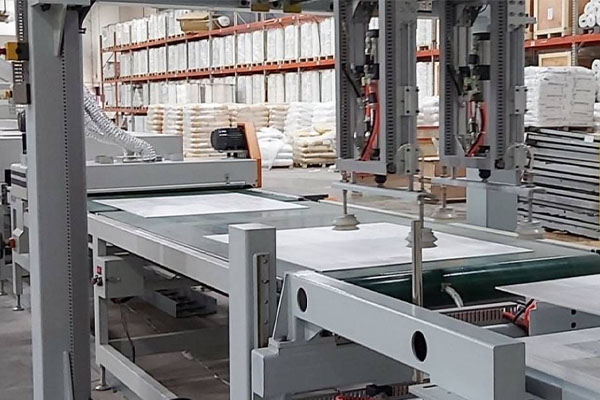
Conducting a live video tour allows you to inspect the factory’s real-time operations, from raw material blending to final packaging. During the process of Importing LVT from China, you should ask the camera operator to walk unscripted into Importing LVT from China production areas like the mixing station. This ensures you see the actual raw materials being used rather than a prepared display.
Inspecting Production Lines
Watch the extrusion process closely to see if the core sheets are uniform in thickness and color. Any visible bubbles or streaks in the core indicate poor temperature control during manufacturing.
Look: A clean and organized production line is a strong indicator of a factory’s overall quality culture.
- Check for 5G or high-speed Wi-Fi for clear video.
- Ask for close-ups of the embossing rollers.
- View the UV coating and curing stations.
Checking the QC Lab
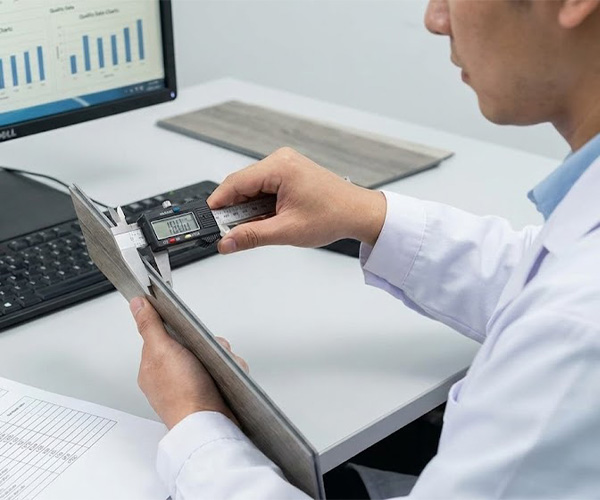
Ask the factory manager to demonstrate their testing equipment, such as the wear resistance tester or the “snap” test for click joints. A factory without an active, well-equipped laboratory is a major red flag for any importer.
Think about it: If they can’t test it in front of you, they likely aren’t testing it during the production run.
- Observe a boiling water test for stability.
- See the scratch resistance test in action.
- Verify the calibration dates on the equipment.
Video Audit Best Practices
Record the entire video call so you can review technical details later with your engineering team. This recording also serves as a reference point if quality drops in future shipments.
Key Takeaway: High-definition video tours provide a “boots on the ground” perspective that photos simply cannot replicate.
| Video Focus Area | Warning Signs |
|---|---|
| Mixing Area | Dusty environment or scrap PVC usage. |
| Extrusion Line | Uneven thickness or visible core defects. |
| QC Station | Dusty machines or lack of recent logs. |
Real-time visual verification is the most powerful tool for confirming a supplier’s verbal claims about their facility.
Which QC steps secure importing LVT from China success?
Implementing a three-stage inspection process involving Incoming, In-Process, and Outgoing Quality Control is vital for maintaining standards. While Importing LVT from China, you must verify that the factory performs a “dry lay” test where they assemble several boxes of flooring to check for color variation. This step ensures that the click system fits perfectly and that the pattern repeats are naturally distributed.
Monitoring In-Process Quality
The extrusion and bonding stages are where most defects occur, so the factory must monitor temperature and pressure constantly. Automated sensors are preferred over manual checks for maintaining core density consistency.
The best part? Automated monitoring removes human error and ensures every plank meets the same structural standard.
- Continuous thickness gauging on the line.
- Real-time color sensors for print layers.
- Automated defect rejection systems.
Pre-Shipment Inspections
Before the container is loaded, a final inspection should check the packaging for moisture protection and batch labeling. You need to ensure the batch numbers are clearly marked on every box for traceability.
Think about it: If a claim arises later, you need those batch numbers to identify the specific production run.
- Verify carton strength for international shipping.
- Check pallet stability and plastic wrapping.
- Confirm total piece count against the invoice.
Quality Control Framework
Developing a standardized QC checklist ensures that nothing is overlooked during the frantic final days of production. This document should be shared and signed by the factory manager.
Key Takeaway: Strict QC protocols throughout the manufacturing lifecycle prevent costly defects from reaching your warehouse.
| QC Stage | Critical Checkpoint |
|---|---|
| IQC | Virgin PVC purity and moisture content. |
| IPQC | Wear layer adhesion and core density. |
| OQC | Color consistency and click-lock fit. |
A disciplined approach to quality control turns a risky import process into a predictable supply chain.
How to vet labs when importing LVT from China?
You should confirm that the factory uses accredited third-party labs like SGS, Intertek, or TUV for their annual safety reporting. When Importing LVT from China, rely on these Importing LVT from China reports to verify critical metrics like fire resistance (Class Bfl-s1) and slip resistance (R10 or higher). Never rely solely on an in-house lab report, as these can be biased toward passing substandard materials.
Checking Chemical Safety
Request specific tests for formaldehyde emissions and phthalate content to ensure compliance with North American or European health standards. High-quality LVT must be certified as “Low VOC” to be safe for indoor environments.
Look: A strong chemical smell upon opening a box is a sign of cheap plasticizers or high VOCs.
- Verified FloorScore or Greenguard Gold status.
- Phthalate-free certification for residential use.
- Formaldehyde emission test results (E0 or E1).
Verifying Physical Durability
Lab reports should include the results of the “Castor Chair Test,” which simulates long-term wear from office furniture. This test proves the wear layer will not delaminate or scratch under mechanical stress.
The best part? Hard data from a reputable lab gives you the confidence to offer long-term warranties to your clients.
- Scratch resistance (measured in Newtons).
- Dimensional stability under heat (shrinkage %).
- Impact resistance for heavy object drops.
Lab Authentication Summary
Always check the timestamp on the lab reports to ensure they are from the current year. Older reports may not reflect the materials or processes currently being used in the factory.
Key Takeaway: Independent lab validation ensures your product meets international safety and performance benchmarks.
| Test Parameter | Required Standard |
|---|---|
| Fire Rating | EN 13501-1 (Class Bfl-s1). |
| Slip Rating | DIN 51130 (R9 or R10). |
| VOCs | CDPH Standard Method v1.2. |
Technical certification is the final layer of protection for your brand when sourcing from overseas manufacturers.
Are third parties vital for importing LVT from China?
Yes, hiring an independent inspection agency provides an objective layer of security that internal factory staff cannot offer. For Importing LVT from China, these third parties act as your local representatives, conducting on-site audits and container loading supervisions. They follow your specific checklist and provide a “Pass/Fail” result based on the agreed-upon Acceptable Quality Level (AQL).
Container Loading Supervision
Agents ensure that the specific goods you ordered are the ones actually placed into the container. They verify the container number, seal number, and the condition of the vessel before loading begins.
Think about it: Without supervision, a factory might accidentally (or intentionally) load older stock or inferior batches.
- Photos of the empty container for holes or leaks.
- Verification of the shipping mark accuracy.
- Documentation of the container seal being applied.
Conducting Social Audits
Third-party firms can also perform social audits to ensure the factory follows ethical labor practices and environmental regulations. This is increasingly important for commercial tenders and brand integrity.
The best part? You can prove to your customers that your supply chain is both high-quality and ethically responsible.
- Verification of fair wages and working hours.
- Inspection of waste management systems.
- Checking for child labor or forced labor.
Third-Party Value Proposition
While these services add a small cost to your order, they prevent the massive financial loss of a container full of defective goods. Consider it an insurance policy for your import business.
Key Takeaway: Third-party inspectors mitigate the “trust gap” by providing unbiased, on-site data during the production cycle.
| Service Type | Key Benefit |
|---|---|
| Factory Audit | Validates the supplier’s actual capacity. |
| Product Inspection | Catches defects before the goods leave China. |
| Loading Check | Ensures the right quantity and quality are shipped. |
Professional oversight is the most effective way to manage the risks inherent in global manufacturing.

How to check capacity while importing LVT from China?
You must evaluate the number of extrusion lines and the brand of the milling machinery to calculate a factory’s true monthly output. When Importing LVT from China, ask for a production schedule that shows current orders and available “slots” for Importing LVT from China projects. A factory that claims “infinite capacity” is likely outsourcing your order to smaller, unvetted workshops.
Verifying Machine Brands
Look for high-end milling machines like Homag or Tenichel, which are known for high precision in cutting click-lock profiles. These brands indicate that the factory has invested in the capital equipment necessary for consistent quality.
Look: Cheap, local machines often lose calibration, leading to planks that don’t fit together during installation.
- Request a detailed list of production machinery.
- View the maintenance logs for critical equipment.
- Confirm the age of the extrusion lines.
Assessing Workforce Stability
Ask about the factory’s worker retention rate and their training programs for quality control staff. A stable, well-trained workforce is much more likely to produce consistent goods over the long term.
Think about it: High worker turnover during peak seasons often leads to a spike in production errors and defects.
- Inquire about the peak production seasons.
- Check for on-site worker housing and facilities.
- Ask how they handle surge capacity for large orders.
Capacity Verification Summary
Ensure the factory’s physical size matches their claimed output; a small facility cannot realistically produce 500 containers a month. Cross-referencing their energy bills or raw material invoices can reveal their true activity level.
Key Takeaway: Verifying physical machinery and labor stability ensures the supplier can meet your delivery timelines without sacrificing quality.
| Capacity Factor | Quality Indicator |
|---|---|
| Milling Brand | Precision of the click-lock system. |
| Line Count | Ability to handle high-volume orders. |
| Lead Time | Realistic scheduling based on current load. |
Understanding a factory’s true capacity prevents you from over-committing to your customers and missing critical deadlines.
What risks exist when importing LVT from China?
The primary risks include the use of recycled PVC fillers, poor milling accuracy, and excessive formaldehyde emissions from non-compliant adhesives. When Importing LVT from China, selecting a supplier based solely on the lowest price often results in compromised material stability. Products with high recycled content are more prone to shrinking, cupping, and breaking at the click-lock joints.
Identifying Recycled Fillers
A core made of recycled PVC is often dark grey or black, whereas virgin PVC cores are usually light creamy yellow or white. Recycled materials can also hide heavy metals or other hazardous chemicals.
Wait, there’s more: Recycled cores lack the dimensional stability of virgin materials, leading to gapping in environments with temperature swings.
- Demand “100% Virgin PVC” in your contract.
- Perform a “snap test” to check for brittleness.
- Use a flashlight to check for light transmission in the core.
Managing Logistical Delays
Shipping bottlenecks and container shortages can add weeks to your expected delivery date. You must build a buffer into your project timelines and work with experienced freight forwarders to navigate port congestion.
Think about it: A 25% tariff or an unexpected anti-dumping duty can instantly erase your profit margin if you haven’t planned for it.
- Monitor anti-dumping policies in your region.
- Get all-in “landed cost” quotes including duties.
- Diversify your shipping ports to avoid local strikes.
Risk Mitigation Strategies
Establishing a clear contract that includes penalties for quality failures or late shipments is your best legal protection. Ensure the contract is enforceable and includes a clear definition of what constitutes a defect.
Key Takeaway: Proactive risk management and strict material specifications protect your business from the most common pitfalls of importing.
| Risk Type | Mitigation Strategy |
|---|---|
| Substandard Core | Specify virgin PVC and perform “snap” tests. |
| Milling Errors | Demand licensed click systems and dry-lay tests. |
| Duty Hikes | Track trade policy and diversify sourcing origins. |
Identifying risks early allows you to build a resilient supply chain that can withstand market fluctuations and quality challenges.
Secure Your Supply Chain
Navigating the complexities of international sourcing doesn’t have to be a gamble. By implementing the remote auditing protocols, technical verifications, and third-party oversight detailed in this guide, you solve the problems of quality inconsistency, legal risk, and logistical delays. Our vision is to empower distributors with the transparency and data they need to build world-class flooring brands. If you are ready to modernize your procurement process and vet your next manufacturer with clinical precision, contact us today for expert guidance on your next project.
FAQ
Can I verify a factory’s existence without visiting?Yes, you can use the NECIPS database to check their business license and conduct live video walkthroughs of their production lines.
How do I know if the LVT core is high quality?Excellent quality cores are usually light-colored (virgin PVC), pass a 180-degree bend test without snapping, and have a density above 1900 kg/m3.
Can I trust the lab reports the factory sends me?Generally no, unless you verify the report number directly on the website of an accredited third-party lab like SGS or Intertek.
How do I prevent color variation between batches?Insist on a “dry lay” test during the final inspection and ensure the factory uses the same digital print file and ink batch for the entire order.
Can I use a third party to handle the audit for me?Absolutely, hiring an independent inspection agency is the best way to get an objective, professional evaluation of a supplier’s facility and products.